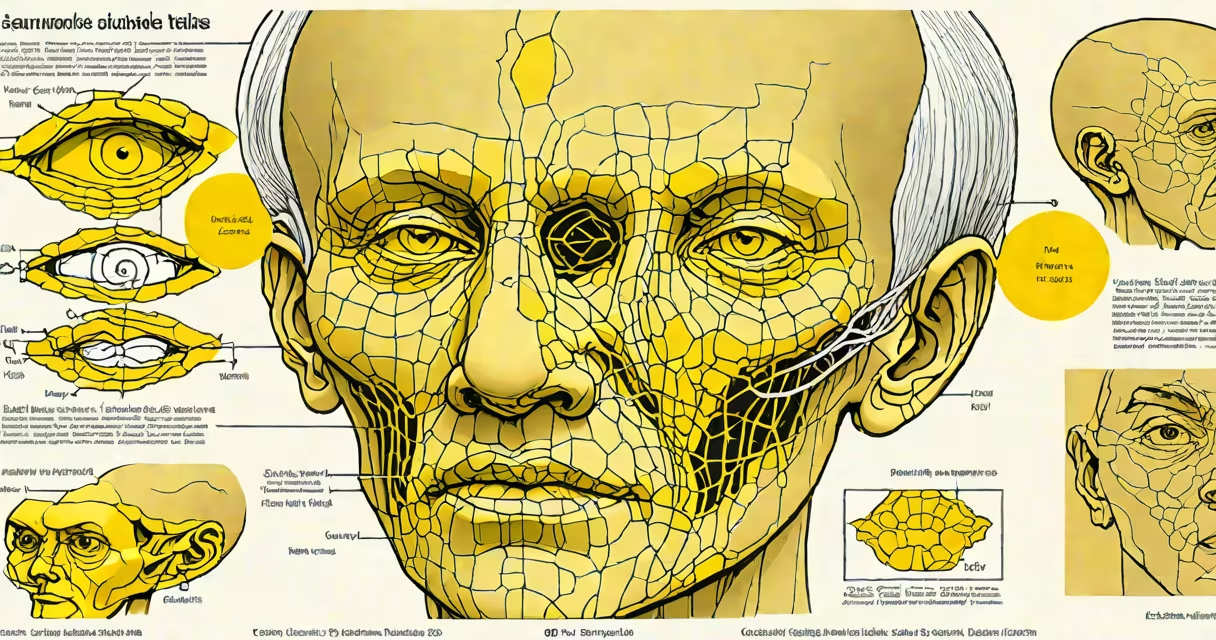
Jaundice in adults is a visible yellow discoloration of the skin and whites of the eyes caused by elevated bilirubin levels in the blood, typically indicating liver disease, bile duct obstruction, or hemolysis.
Bilirubin is a yellow pigment produced during the normal breakdown of red blood cells. Healthy livers process bilirubin and excrete it through bile. When the liver cannot process bilirubin effectively, or when bile flow is blocked, bilirubin accumulates in the bloodstream and deposits in tissues, causing jaundice. This condition is not a diagnosis itself but a sign of underlying pathology.
According to the American Liver Foundation, jaundice affects approximately 1 in 10 adults with chronic liver disease. It rarely occurs in isolation-it's usually accompanied by other symptoms such as fatigue, dark urine, pale stools, or abdominal pain. Early detection improves outcomes, especially in cases linked to hepatitis, cirrhosis, or gallstones.
The process begins with increased bilirubin production or impaired clearance. Bilirubin exists in two forms: unconjugated (indirect) and conjugated (direct). Unconjugated bilirubin is fat-soluble and binds to albumin in the blood. Conjugated bilirubin is water-soluble and excreted via bile.
When red blood cell destruction accelerates-such as in hemolytic anemia-unconjugated bilirubin rises. The liver may struggle to keep up, leading to jaundice. Conversely, if the liver is damaged (e.g., due to alcohol abuse or viral hepatitis), it fails to conjugate bilirubin efficiently. Obstruction of bile ducts by gallstones or tumors prevents bilirubin excretion, causing conjugated bilirubin to build up.
A 2021 study published in Gastroenterology found that 68% of adults presenting with jaundice had abnormal liver enzyme levels, confirming liver involvement. Elevated direct bilirubin specifically points to hepatobiliary issues rather than hemolysis.
Jaundice in adults falls into three categories based on where the problem lies: pre-hepatic, hepatic, and post-hepatic.
| Type | Root Cause | Common Triggers | Lab Findings |
|---|---|---|---|
| Pre-hepatic | Excess red blood cell breakdown | Hemolytic anemia, sickle cell disease, transfusion reactions | ↑ Unconjugated bilirubin; normal liver enzymes |
| Hepatic | Liver cell damage | Alcoholic liver disease, viral hepatitis B/C, drug-induced injury | ↑ Both unconjugated and conjugated bilirubin; ↑ ALT/AST |
| Post-hepatic | Bile duct obstruction | Gallstones, pancreatic cancer, primary sclerosing cholangitis | ↑ Conjugated bilirubin; ↑ ALP, GGT |
One key distinction often missed: jaundice from gallstones typically presents with right upper quadrant pain and fever. A patient with obstructive jaundice may have clay-colored stools and dark urine-signs that differentiate it from hemolytic causes.
I once observed a 54-year-old man with progressive jaundice, weight loss, and pruritus. His labs showed markedly elevated conjugated bilirubin and alkaline phosphatase. An ultrasound revealed a mass in the pancreatic head. He was diagnosed with pancreatic adenocarcinoma. This case illustrates that jaundice can be the first symptom of malignancy.
Doctors assess jaundice through history, physical exam, and lab tests. A blood test measuring total and direct bilirubin is essential. Total bilirubin above 1.2 mg/dL is considered elevated. Levels above 3 mg/dL usually cause visible yellowing.
Imaging is critical when obstruction is suspected. Ultrasound is first-line; MRI/MRCP provides detailed views of bile ducts. Endoscopic retrograde cholangiopancreatography (ERCP) can both diagnose and treat bile duct stones.
Many assume jaundice is always liver-related. But in rare cases, genetic disorders like Gilbert's syndrome cause mild, intermittent jaundice due to reduced bilirubin-conjugating enzyme activity. It affects about 5% of the population and is benign. However, it can mimic liver disease-leading to unnecessary testing if not recognized.
Jaundice in adults is never normal. It requires prompt evaluation. Delaying care increases risk of complications, including liver failure or irreversible damage.
Seek immediate medical attention if jaundice appears with:
These signs suggest acute illness or advanced disease. The National Institute of Diabetes and Digestive and Kidney Diseases notes that jaundice lasting more than two weeks warrants investigation.
Early intervention improves prognosis. For example, treating hepatitis B with antivirals reduces progression to cirrhosis. Removing gallstones via ERCP prevents recurrent cholangitis.
While jaundice itself is not treated directly, addressing the root cause is essential. Avoid self-diagnosis. Over-the-counter supplements or herbal remedies can worsen liver function-especially in people with existing liver conditions.
Understanding jaundice in adults means recognizing it as a warning sign, not a standalone issue. It reflects a disruption in bilirubin metabolism that demands clinical evaluation. The presence of yellowing skin or eyes should prompt a visit to a healthcare provider, not wait for symptoms to worsen.