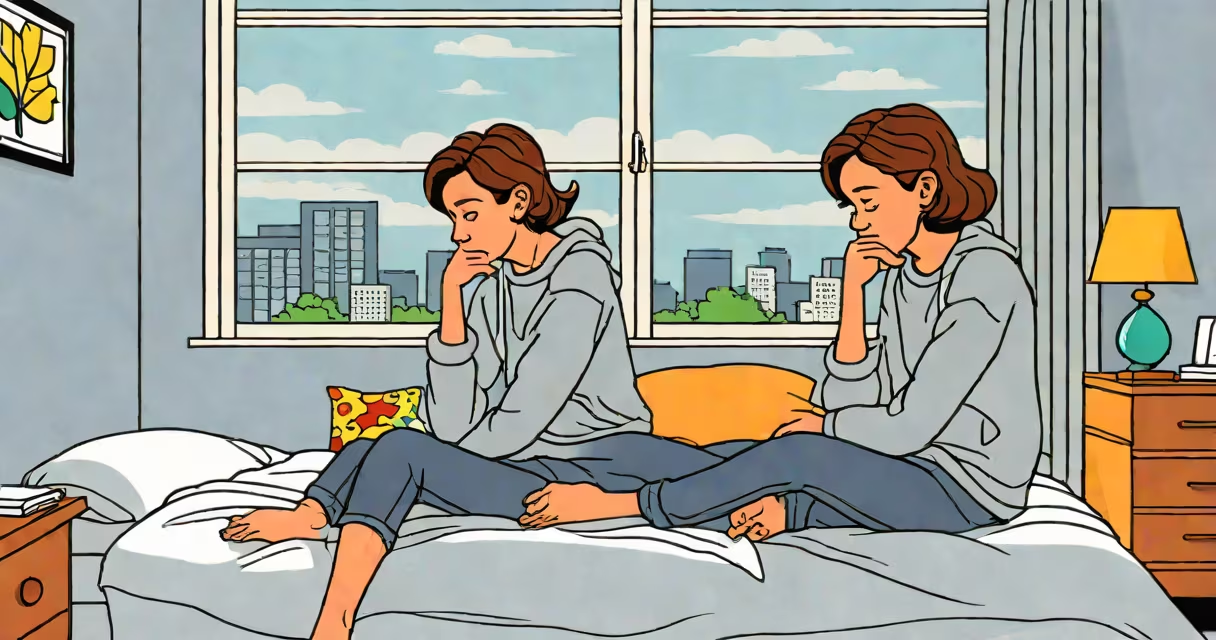
Feeling intense anger or resentment toward your mother is a serious emotional state that requires careful attention, not immediate action. It's not uncommon for teenagers and adults to experience deep frustration, hurt, or even hatred toward a parent due to past trauma, neglect, abuse, or ongoing conflict. The first step is recognizing that these feelings are valid, even if they're painful to admit.
When you say "I hate my mom," you're not necessarily expressing a desire to harm her. More often, it's a cry for relief from emotional pain, a sign of being overwhelmed, or a symptom of unresolved trauma. This reaction doesn't make you a bad person-it makes you human. But left unaddressed, such feelings can damage relationships, affect mental health, and lead to long-term isolation.
Understanding the root cause is essential. Anger toward a parent may stem from childhood emotional neglect, verbal or physical abuse, inconsistent parenting, or a lack of emotional safety. According to the American Psychological Association, children who grow up in emotionally invalidating homes are more likely to develop intense negative emotions toward caregivers later in life. These emotions aren't irrational-they're responses to prolonged stress.
Emotional reactions to parents don't appear overnight. They build over time through repeated experiences. A child who was constantly criticized, ignored during crises, or forced into adult roles may internalize shame and anger. Over years, those feelings accumulate until they erupt in moments of high stress or when the parent says something triggering.
For example, a 16-year-old named Jordan told me they'd been yelling at their mom for years about chores and curfews. But the real issue wasn't the mess or bedtime-it was the way their mom dismissed their anxiety about school. After a panic attack, the mom said, "Just stop overreacting." That moment became a turning point. Jordan didn't hate their mom for the chore list-they hated her for invalidating their pain.
Research from the National Child Traumatic Stress Network shows that emotional neglect in childhood is linked to higher rates of depression, anxiety, and difficulty forming healthy relationships in adulthood. When a parent fails to respond to emotional needs, the child learns to suppress feelings or redirect them outward as anger.
Many people assume that "hating" a parent means you want to cut contact entirely. That's not always true. Some individuals feel rage but still need their mom for financial support, housing, or emotional connection. Others hate their mom but fear losing her love if they speak up. These contradictions create internal chaos.
Another mistake is blaming yourself. You might think, "I shouldn't feel this way-I'm ungrateful." But guilt doesn't erase pain. The idea that you "owe" your parent unconditional love is a myth. The American Academy of Pediatrics states that healthy relationships require mutual respect, not blind loyalty. You don't have to love someone to treat them with dignity-or to protect your own well-being.
Some try to fix the relationship by changing themselves. They apologize for existing, lower their expectations, or hide their emotions. But suppressing feelings leads to burnout, depression, and increased risk of self-harm. If you've tried to "be better" and it hasn't helped, the problem isn't you-it's the changing.
Start by naming the emotion. Say it out loud: "I am angry because my mom never listened when I was scared." Writing it down helps separate feeling from action. Journaling for 10 minutes daily can reduce emotional intensity over time, according to a 2021 study published in Frontiers in Psychology.
Set boundaries. You don't have to live with abuse or disrespect. Saying "I won't talk to you when you yell" or "I need space when you dismiss my feelings" is not rejection-it's self-protection. Boundaries aren't permanent. They're tools to create safety while you assess whether reconciliation is possible.
If the situation involves abuse-verbal, emotional, or physical-seek help immediately. Contact a counselor, therapist, or crisis line. The National Domestic Violence Hotline (1-800-799-SAFE) offers free, confidential support for anyone dealing with family violence. You don't have to endure harm to stay connected.
Anger toward a parent becomes a red flag when it interferes with daily functioning. If you're struggling to sleep, avoid socializing, lose focus at school or work, or have thoughts of harming yourself or others, professional intervention is necessary.
Therapy can help you understand patterns, process trauma, and rebuild trust-not in your mom, but in yourself. Cognitive Behavioral Therapy (CBT) has been shown to reduce anger and improve emotional regulation in adolescents and adults. A 2020 meta-analysis in JAMA Psychiatry found that CBT reduced symptoms of anger and anxiety in 70% of participants over 12 weeks.
Consider therapy even if you don't plan to confront your mom. Healing isn't about fixing her-it's about reclaiming your peace. You can work through pain without her participation.
Not all conflicts are the same. Understanding the nature of the issue helps determine your next move.
| Type of Conflict | Signs | Recommended Action |
|---|---|---|
| Emotional Neglect | Always ignored, dismissed, or minimized when sharing feelings | Focus on self-validation. Seek therapy. Build a support network. |
| Verbal Abuse | Constant criticism, name-calling, shaming | Document incidents. Set firm boundaries. Limit contact if needed. |
| Physical or Sexual Abuse | Any history of violence or inappropriate touching | Report to authorities. Contact a survivor advocate. Prioritize safety. |
| Unfair Expectations | Pressure to succeed, control over choices, conditional love | Define personal values. Practice saying "no." Explore autonomy. |
Each type demands a different response. There's no one-size-fits-all solution. But you don't have to figure it out alone.
Sarah, 22, grew up with a mother who praised academic success but mocked her anxiety. After college, she moved out and stopped calling. Her mom sent texts like "You're not a real daughter if you don't come home." Sarah felt guilty-but also relieved.
She started seeing a therapist. Over six months, she learned to separate her worth from her mom's approval. She wrote a letter she never sent: "I forgive you for not loving me enough. But I don't need your love to survive." She now visits once a year, only when she feels safe. Her mental health improved.
Her story isn't about reconciliation. It's about survival. And healing.
You cannot force your mom to change. You cannot erase the past. But you can choose how you respond.
Take small actions: - Block toxic messages. - Spend time with people who validate your feelings. - Start a journal. - Call a hotline if you're in crisis. - Research therapists who specialize in family trauma.
Remember: "I hate my mom what do I do" isn't a question with a single answer. It's a signal that something needs attention. The most useful thing you can do is stop trying to fix the relationship and start healing yourself.