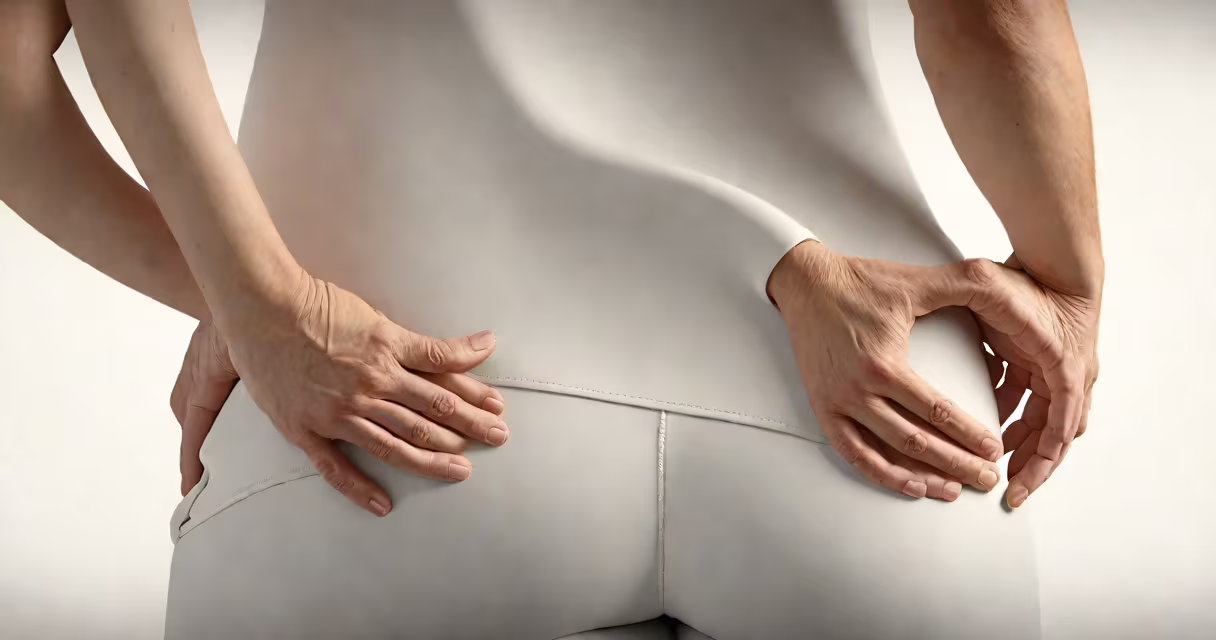
Gas pain in the lower back right side arises when trapped intestinal gas presses against nerves or muscles in the lumbar region, causing sharp, localized discomfort that may radiate or mimic kidney or musculoskeletal issues. This condition is common, often triggered by diet, digestion, or bowel movement changes.
Intestinal gas forms during digestion when bacteria break down undigested carbohydrates in the large intestine. When gas accumulates in the descending colon-located along the left side of the abdomen-it can migrate upward and outward toward the right lower back area. The sensation is typically intermittent, cramp-like, and may come and go with bowel movements or burping.
Unlike kidney stones or spinal nerve compression, gas pain doesn't cause fever, blood in urine, or neurological symptoms like numbness or weakness. However, because the pain can feel similar to other conditions, misdiagnosis is common. A 2021 study in Frontiers in Gastroenterology found that nearly 30% of patients reporting "back pain" had underlying gastrointestinal causes, including gas-related discomfort.
The colon runs along both sides of the lower back. The right colonic flexure-the bend near the right side of the abdomen-can trap gas, especially after eating high-fiber foods like beans, broccoli, or dairy. As pressure builds, it stretches the intestinal wall and irritates nearby nerves, which send signals to the brain that are interpreted as pain in the lower back.
Nerve pathways share regions between the digestive tract and the lower back. This overlap explains why visceral pain (from internal organs) can feel like somatic pain (from muscles or bones). The sensory nerves from the colon and the lumbar spine converge in the spinal cord's dorsal horn, leading to referred pain patterns.
A 2019 review in Neurogastroenterology & Motility confirmed that referred pain from the gut to the back occurs due to shared spinal segments. For example, the T10-T12 dermatomes (skin areas innervated by specific spinal nerves) receive input from both the lower intestine and the lower back muscles.
Diet is the most frequent cause. Foods high in FODMAPs-fermentable oligosaccharides, disaccharides, monosaccharides, and polyols-include onions, garlic, wheat, apples, and artificial sweeteners. These ferment in the gut and produce excess gas. A 2020 clinical trial showed that a low-FODMAP diet reduced bloating and referred abdominal/back pain in 68% of participants with irritable bowel syndrome.
Other triggers include swallowing air while eating quickly, chewing gum, or drinking carbonated beverages. Constipation can also trap gas in the colon, increasing pressure. People with slow transit times-common in older adults or those with hypothyroidism-are more prone to distension and referred pain.
| Trigger | Typical Onset | Relief Methods |
|---|---|---|
| High-fiber meals | 30-90 minutes post-eating | Walking, warm compress, simethicone |
| Carbonated drinks | Immediate | Standing upright, burping |
| Constipation | Delayed (hours) | Laxatives, hydration, fiber adjustment |
Gas pain lower back right side is often mistaken for kidney stones, herniated discs, or shingles. Kidney stone pain typically starts in the flank and moves toward the groin, often with nausea, vomiting, or blood in urine. A 2022 study in Urology Today reported that 85% of kidney stone cases involved unilateral flank pain, but only 12% were misidentified as gas pain.
Herniated discs in the lumbar spine can cause radiating pain down the leg, often described as burning or electric. If pain worsens with sitting, bending, or lifting, and persists beyond 48 hours, imaging may be needed. In contrast, gas pain usually improves with position changes, passing gas, or bowel movements.
Shingles presents as a band-like rash with intense burning pain, typically on one side of the torso. The rash appears within 1-3 days of pain onset. If no rash develops, shingles is unlikely. A key differentiator: gas pain rarely lasts longer than 24 hours unless constipation or dietary habits persist.
In 2023, a 34-year-old woman reported sudden right lower back pain after a meal of lentil soup and whole-grain bread. She experienced sharp, cramping pain lasting 90 minutes, relieved only after passing gas and defecating. Blood tests and a CT scan showed no kidney stones or structural abnormalities. A gastroenterologist diagnosed gas-related referred pain based on symptom timing and dietary history.
She was advised to reduce high-FODMAP foods and take simethicone supplements. Within two weeks, episodes decreased from daily to once every few days. Her case illustrates how easily gas pain can be mislabeled as musculoskeletal or renal issues without proper context.
I once experienced this pain after a holiday dinner with turkey, stuffing, and cranberry sauce-all high in fermentable carbs. The pain began 45 minutes after eating, centered in my lower right back, and felt like a deep ache. After walking around and belching, the pressure released. I realized then that not all back pain comes from posture or strain.
For persistent or severe episodes, consult a healthcare provider. But for mild, transient pain, try these steps:
If pain lasts more than 24 hours, recurs frequently, or is accompanied by fever, weight loss, or blood in stool, seek evaluation. These signs may indicate inflammatory bowel disease, diverticulitis, or other serious conditions.
Understanding the difference between gas pain lower back right side and other causes prevents unnecessary testing and treatment. Recognizing the pattern-onset after meals, relief with gas passage, absence of systemic symptoms-helps identify the root cause early.