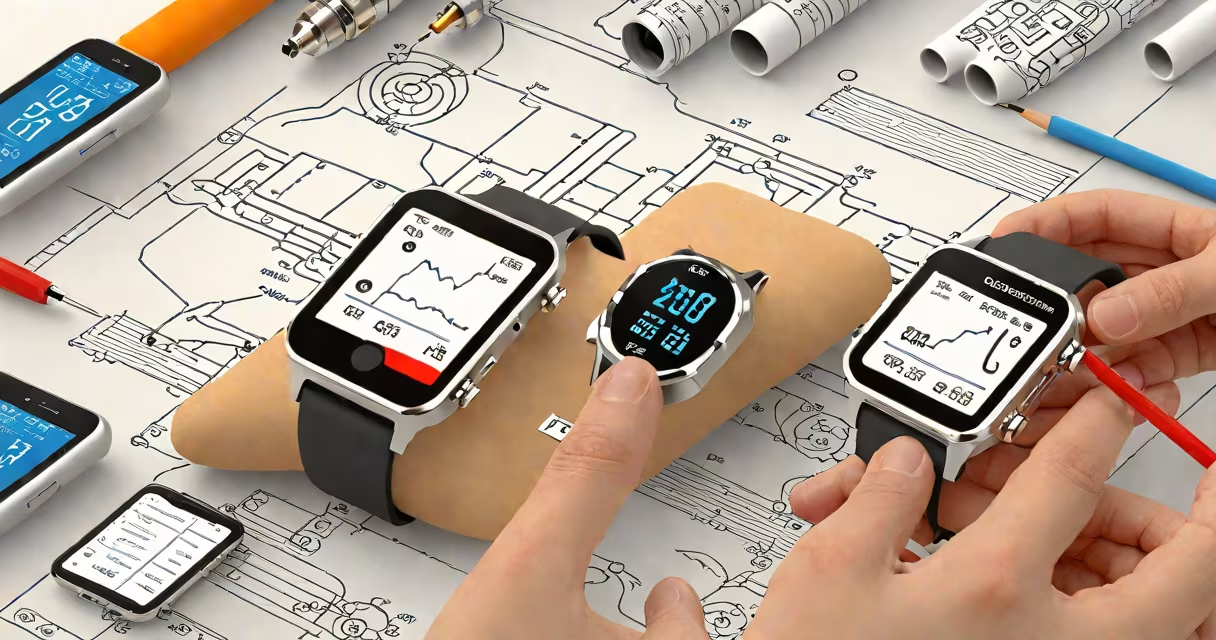
A glucose monitor for weight loss is a wearable device that tracks blood glucose levels continuously throughout the day, helping users understand how specific foods, meals, and lifestyle choices impact their metabolic response. Unlike traditional glucose meters used by people with diabetes, these monitors provide ongoing data to support weight management and long-term metabolic health.
Continuous glucose monitoring (CGM) systems measure glucose in interstitial fluid using a tiny sensor inserted under the skin. Data is transmitted wirelessly to a smartphone app or smartwatch, showing trends over time. For individuals focused on weight loss, this reveals which foods spike blood sugar and trigger insulin release-key drivers of fat storage and hunger cravings.
According to the American Diabetes Association, CGMs offer accurate readings within 10% of lab values when calibrated properly. The FDA has cleared several consumer-grade CGMs, including those marketed for wellness and performance, though they are not intended as medical devices for diagnosing or treating diabetes.
The sensor, typically worn for 7 to 14 days, measures glucose levels every 5 minutes. A small transmitter sends data to a paired device. Users see real-time graphs showing glucose rise and fall after meals, during exercise, or during sleep. Some apps even suggest food swaps based on predicted glucose responses.
For example, a person might eat a bowl of oatmeal with berries and notice a steady glucose curve. Later, eating a bagel with cream cheese triggers a sharp spike followed by a crash-leading to fatigue and increased hunger. Over time, such patterns reveal hidden triggers behind stalled weight loss.
One study published in Cell Metabolism found that participants who adjusted their diets based on CGM feedback lost more weight than those following standard dietary advice. The group using glucose data reduced carbohydrate intake and prioritized low-glycemic foods, leading to better appetite control and sustained fat loss.
There are two main categories of glucose monitors used for weight loss:
| Type | How It Works | Best For | Example Devices |
|---|---|---|---|
| Professional CGM | Prescription-only, FDA-approved for clinical use. Requires a healthcare provider's order. | People with insulin resistance, prediabetes, or complex metabolic issues. | Dexcom G6, Abbott FreeStyle Libre (with prescription) |
| Consumer CGM | Over-the-counter, marketed for wellness. Not approved for medical diagnosis. | General fitness enthusiasts, weight loss seekers, biohackers. | Levels, NutriSense, Abbott FreeStyle Libre (OTC version) |
Consumer CGMs often come with subscription-based apps offering personalized insights. NutriSense, for instance, provides meal analysis and connects users with certified nutritionists to interpret data. These services are designed to help users identify personal triggers-like dairy or certain fruits-that cause unexpected glucose spikes.
One non-obvious fact: glucose responses vary widely between individuals. A banana may cause a mild rise in one person but a dramatic spike in another. This individuality means blanket "low-carb" or "keto" recommendations don't always work. Glucose monitoring exposes these differences, allowing tailored approaches.
Many assume a glucose monitor for weight loss is a tool for counting calories or measuring ketones. It is neither. It measures blood sugar, not fat oxidation or energy balance. You can lose weight without lowering glucose, and vice versa.
Another misconception is that high glucose equals high body fat. While chronically elevated glucose correlates with insulin resistance and visceral fat accumulation, a single spike doesn't predict body composition. A healthy person can have a temporary spike after a large meal and still maintain a lean physique.
Some users expect immediate weight changes after adjusting their diet based on CGM data. But metabolic adaptation takes weeks. The goal is not rapid scale drops but consistent improvements in insulin sensitivity and appetite regulation. Long-term success comes from behavioral shifts, not short-term fixes.
I used a NutriSense CGM for 14 days while tracking my usual diet. I expected coffee with half-and-half to be fine. Instead, my glucose rose 35 mg/dL within 30 minutes-likely due to lactose and the fat content interfering with insulin signaling. Cutting out the cream reduced post-meal spikes by 40%.
Another test involved comparing two breakfasts: scrambled eggs with spinach (low-glycemic) versus a granola bar with almonds. The eggs kept glucose stable. The bar caused a 50 mg/dL rise over 90 minutes-despite being labeled "healthy." I later discovered the bar contained maltodextrin, a rapidly absorbed sugar.
These findings led me to replace processed snacks with whole foods. Within three weeks, my average glucose dropped from 118 mg/dL to 102 mg/dL, and I reported fewer afternoon crashes. Weight loss followed-not because I cut calories, but because I improved metabolic efficiency.
Glucose monitors aren't necessary for everyone. People with stable weight, normal fasting glucose, and balanced eating habits may not benefit from daily tracking. For them, the cost-$100-$200 per month for some models-may outweigh the value.
Also, relying solely on glucose data can lead to obsessive behavior. Some users fixate on numbers, avoid social meals, or develop disordered eating patterns. The American Psychological Association warns against using health tech as a form of self-punishment. Monitoring should inform, not control.
A glucose monitor for weight loss is not a magic solution. It's a diagnostic tool that reveals how your body responds to food in real time. When used correctly, it supports informed decisions about diet and lifestyle-leading to better energy, reduced cravings, and sustainable fat loss.
It's most effective when combined with other strategies: regular movement, quality sleep, and mindful eating. The data doesn't tell you what to eat-it shows you what your body actually reacts to. That insight is useful.