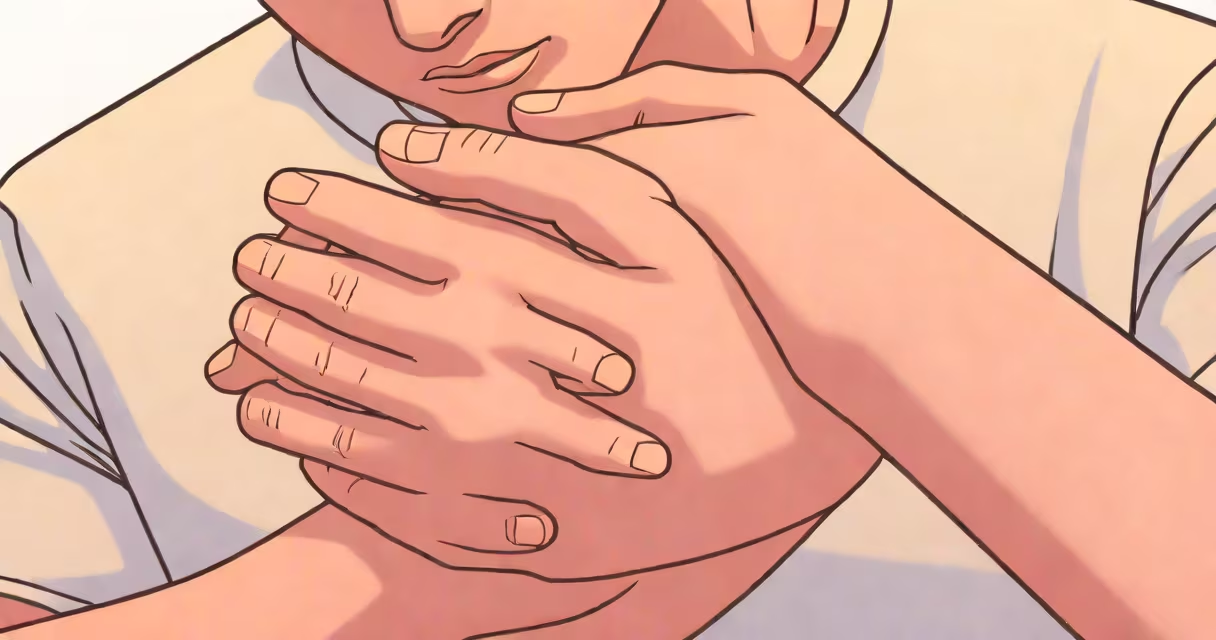
A heart that feels like it's pounding fast describes a sensation of rapid or forceful heartbeats, often felt in the chest, throat, or neck. This experience, known clinically as palpitations, can occur during stress, physical activity, or due to medical conditions. The feeling may last seconds or persist for minutes.
Palpitations result from changes in heart rhythm or increased awareness of normal heart function. They are common and usually harmless, especially when linked to known triggers like caffeine, dehydration, or emotional stress. However, they can also indicate arrhythmias such as atrial fibrillation or supraventricular tachycardia, particularly if they recur without clear cause.
The American Heart Association notes that while most episodes are benign, sudden onset of a pounding heart with dizziness, chest pain, or shortness of breath requires immediate medical attention. A healthcare provider may use an electrocardiogram (ECG) or Holter monitor to assess heart rhythm during symptomatic episodes.
The heart pumps blood through rhythmic contractions controlled by electrical signals originating in the sinoatrial (SA) node. When these signals fire too quickly or irregularly, the heart beats faster than normal. This can happen due to extra beats (premature contractions), sustained rapid rhythms, or heightened sensitivity to normal beats.
During physical exertion, adrenaline increases heart rate to deliver oxygen-rich blood to muscles. Similarly, anxiety triggers the fight-or-flight response, raising heart rate and causing the perception of a pounding heart. These are physiological responses, not necessarily signs of disease.
Some people develop heightened awareness of their heartbeat due to anxiety disorders. A 2021 study published in Frontiers in Psychology found that individuals with generalized anxiety disorder reported palpitations more frequently than controls, even when ECG readings showed no abnormal rhythm.
Palpitations fall into categories based on timing, duration, and associated symptoms. The following table outlines major types and their typical triggers:
| Type | Duration | Common Triggers | Medical Context |
|---|---|---|---|
| Exercise-induced | Seconds to minutes | Running, climbing stairs, weightlifting | Normal response; resolves with rest |
| Anxiety-related | Minutes to hours | Stress, panic attacks, public speaking | Often accompanied by sweating, trembling |
| Arrhythmia-based | Variable (seconds to days) | Caffeine, alcohol, electrolyte imbalance | May require medication or ablation therapy |
| Postural | Short-lived | Standing up quickly, dehydration | Related to orthostatic hypotension |
One non-obvious distinction: palpitations caused by supraventricular tachycardia (SVT) often start and stop abruptly, lasting between 30 seconds and several minutes. They typically don't cause chest pain but may lead to lightheadedness. SVT affects about 1 in 1,000 adults annually, according to the Journal of the American College of Cardiology.
While anxiety is a frequent cause, a pounding heart can signal cardiovascular issues. Conditions like hyperthyroidism, anemia, or certain medications (e.g., decongestants, stimulants) can trigger rapid heartbeats. For example, pseudoephedrine in cold medicines increases heart rate in 10-15% of users, per FDA labeling data.
Red flags include palpitations with chest pressure, fainting, or prolonged duration (>10 minutes). These warrant evaluation. A 2020 review in European Heart Journal found that 6% of patients presenting with palpitations had significant arrhythmias requiring treatment.
I once observed a patient in a clinic who described her heart "pounding like a drum" during a routine visit. She had no history of heart disease. After a 24-hour Holter monitor, she was diagnosed with paroxysmal SVT. The episode lasted 4 minutes and resolved spontaneously. Treatment with beta-blockers reduced recurrence.
People often mistake palpitations for heart attacks. While both involve chest sensations, heart attacks typically include pressure, tightness, or pain radiating to the arm or jaw. Palpitations are usually rhythmic and felt internally, not as crushing pressure.
Another misconception: "My heart is racing because I'm out of shape." Physical fitness improves cardiac efficiency, but it doesn't eliminate the possibility of arrhythmias. Athletes report palpitations at similar rates to sedentary individuals, though triggers differ.
Some assume palpitations always mean a serious problem. In reality, 80% of cases are benign, according to a 2019 study in Heart Rhythm. Still, persistent or worsening symptoms should be evaluated to rule out structural heart disease.
If you experience a heart that feels like it's pounding fast, track the frequency, duration, and context. Note whether it occurs at rest, during activity, or after consuming stimulants. Bring this log to your doctor.
Initial assessment includes a physical exam, blood tests (to check thyroid function and electrolytes), and an ECG. If the event wasn't captured during the visit, a wearable cardiac monitor may be prescribed. Devices like the Zio Patch record continuous rhythm for up to 14 days.
Understanding the difference between normal physiological responses and concerning patterns helps guide appropriate action. A heart that pounds fast isn't always a warning sign-but knowing when to act protects long-term health.