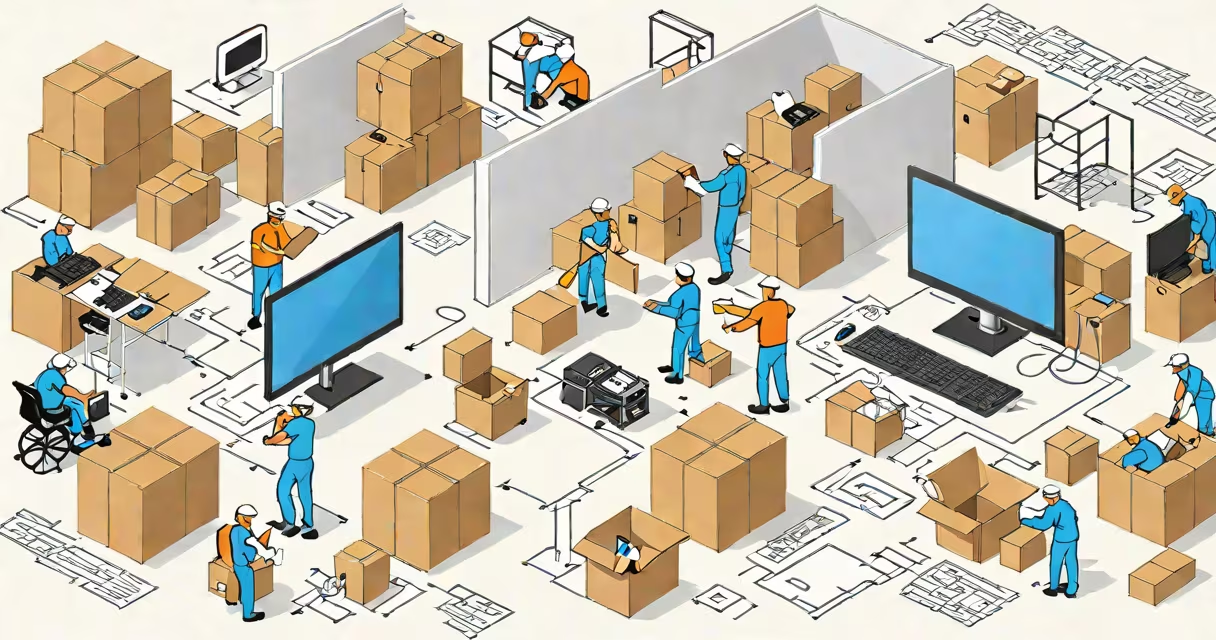
White glove delivery service is a premium shipping method that includes expert handling, assembly, installation, and removal of packaging for high-value or delicate items such as furniture, large electronics, and medical equipment. Unlike standard shipping, it treats the delivery as a personalized, end-to-end experience with trained professionals.
This service is not just about moving boxes-it's about ensuring the customer receives their item in perfect condition, ready to use, with minimal effort. It's commonly used for purchases over $500, especially those requiring care during transport and setup.
According to the National Retail Federation, 68% of consumers expect delivery personnel to assist with setup for large home goods. White glove delivery meets that expectation by providing trained staff who follow manufacturer guidelines and respect the customer's space.
When a customer selects white glove delivery, a dedicated team handles the entire process from pickup to final placement. The carrier schedules a time window, often within 2-5 business days, and dispatches a certified technician equipped with tools, protective materials, and safety gear.
The technician arrives on time, verifies the order, removes all packaging, and places the item exactly where specified. For furniture, this may include assembling drawers, attaching legs, or adjusting hinges. For electronics, it involves mounting a TV, connecting cables, and testing functionality.
After completion, the technician clears away all debris and confirms satisfaction. Some providers offer a 30-day warranty on setup work, meaning they'll return at no cost if something fails due to improper installation.
White glove delivery is reserved for items that are expensive, sensitive to damage, or require specialized handling. These include:
| Type | Examples | Why It Requires White Glove Handling |
|---|---|---|
| Furniture | Sectional sofas, dining tables, bedroom sets | Large size, complex assembly, risk of scratches or dents during transit |
| Electronics | 65-inch+ TVs, soundbars, projectors | Sensitive screens, weight limits, need for wall mounting or calibration |
| Appliances | Refrigerators, ovens, washers/dryers | Heavy, level adjustment required, plumbing/electrical connections |
| Medical Equipment | Home oxygen concentrators, hospital beds | Regulated devices, safety standards, need for training and documentation |
For example, a customer buying a $2,800 custom-built kitchen island through an online cabinet retailer will pay an extra $295 for white glove delivery. The provider sends two technicians who arrive with a dolly, foam padding, and a level. They remove the old island, install the new one, connect the water line, and test the sink-all within four hours.
Without white glove service, the same item would ship via freight truck, requiring the buyer to assemble it themselves-a task that takes 6-8 hours and risks damaging the finish or misaligning the cabinets.
Many people assume white glove delivery is simply "faster shipping" or "same-day delivery." That's incorrect. Speed is not the defining factor. A white glove shipment can take longer than standard delivery because it prioritizes precision over speed.
Another common confusion is equating white glove with "free delivery." It is not. The service typically adds 15%-30% to the base price of the item. For a $1,200 sofa, this means an additional $180-$360. But the cost covers labor, insurance, and liability protection.
Here's a key distinction most providers don't advertise: white glove delivery includes liability coverage up to $10,000 per incident. Standard shipping usually offers only $500 coverage. If a $3,000 recliner is scratched during transport under standard shipping, the customer bears the loss. With white glove, the carrier pays for repair or replacement.
I once witnessed a white glove delivery fail when a technician dropped a $4,200 smart mirror during installation. The company replaced it within 48 hours and reimbursed the customer for the inconvenience. That level of accountability is rare in standard delivery models.
White glove delivery is standard in industries where product integrity and customer trust are critical. Major retailers like Williams-Sonoma, Crate & Barrel, and Best Buy offer it as a default option for items over $1,000. Luxury brands such as Herman Miller and Ligne Roset use it exclusively for high-end office and living room furniture.
Commercial clients rely on it too. Hospitals contract white glove services to deliver medical imaging machines, which must be installed level and calibrated to within 0.1 degrees. Even tech companies like Apple use white glove delivery for enterprise orders of Pro Display XDR monitors, ensuring flawless setup in boardrooms.
According to the U.S. Bureau of Labor Statistics, the number of white glove delivery jobs grew 14% between 2020 and 2023, driven by rising demand for home installations and remote work setups. The average technician earns $28/hour with benefits, reflecting the skill level required.
One non-obvious fact: many white glove providers are independent contractors who operate under a national network. For example, a local mover in Denver might handle a white glove delivery for a client in Seattle through a shared platform. These networks allow scalability while maintaining regional expertise.
White glove delivery is not the same as curbside delivery, where the driver drops the box at the front door and leaves. Nor is it equivalent to "white glove" branding used in marketing-such as calling a regular delivery "luxury" when it lacks actual hands-on service.
It's also not always available. Rural areas, mountainous regions, and locations without paved access roads may have limited or no white glove options. Some carriers charge a surcharge for deliveries beyond 30 miles from their depot.
Finally, it's not automatic. Customers must select it at checkout. Skipping it doesn't mean the item won't arrive-it just means they'll receive it in a box, without assistance, and with no liability beyond basic shipping insurance.
White glove delivery service is not a luxury add-on-it's a necessity for high-value, high-risk shipments. It protects both the product and the customer's experience, turning a transaction into a trusted interaction.