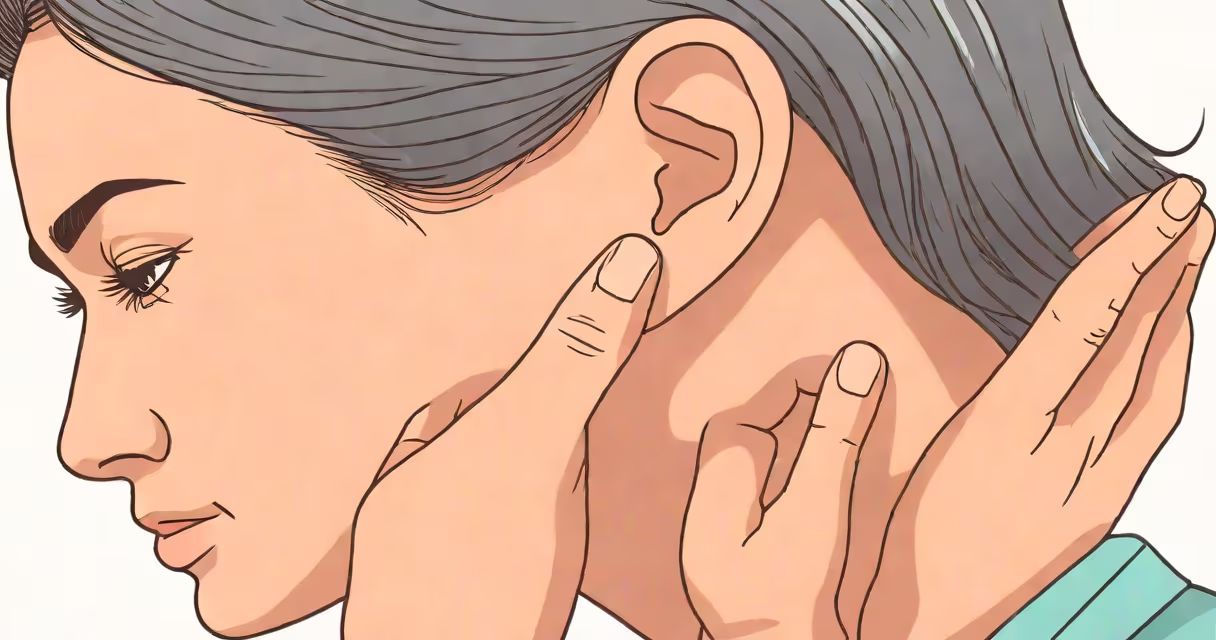
An ear infection typically causes deep, throbbing pain inside the ear, pressure behind the eardrum, and sometimes a feeling of fullness or muffled hearing. The sensation varies by age and severity but often includes sharp or constant discomfort that worsens when lying down.
Ear infections stem from inflammation in the middle ear, usually due to fluid buildup after a cold or upper respiratory infection. The space behind the eardrum fills with pus or fluid, increasing pressure and irritating nerves. This triggers pain signals that travel through the trigeminal and glossopharyngeal nerves, creating the sensation of deep ear pain.
Children under five are most vulnerable. Their Eustachian tubes-small passageways connecting the middle ear to the back of the throat-are shorter and flatter, making them prone to blockage. Adults can get them too, especially during seasonal colds or allergies. The condition is medically known as acute otitis media.
Pain is the most consistent symptom. It ranges from mild aching to intense, piercing agony. Many describe it as "throbbing," "burning," or "like something's pressing against the eardrum." The pain often worsens at night or when lying flat because gravity shifts fluid toward the ear.
Hearing changes are common. Fluid blocks sound transmission, leading to muffled hearing or a feeling of "being underwater." Some people report tinnitus-ringing or buzzing in the affected ear. These effects may last even after the infection clears, especially if nerve irritation persists.
Other physical sensations include dizziness, balance issues, and a sense of fullness. The inner ear controls balance, so inflammation can disrupt that system. A 2021 study in Frontiers in Neurology found that 38% of patients with middle ear infections reported vertigo during acute phases.
There are three main types of ear infections:
| Type | Location | Common Symptoms | Typical Cause |
|---|---|---|---|
| Acute otitis media | Middle ear | Sharp pain, fever, hearing loss | Viral or bacterial infection after cold |
| Otitis externa | Outer ear canal | Itching, swelling, discharge | Water exposure, bacteria, fungi |
| Chronic otitis media | Middle ear | Long-term fluid, hearing loss | Recurrent infections, eardrum perforation |
Most cases of "what is an ear infection feel like" refer to acute otitis media. It affects about 75% of children at least once by age five, according to the American Academy of Pediatrics. Bacteria like *Streptococcus pneumoniae* and *Haemophilus influenzae* are frequent culprits.
Outer ear infections-commonly called swimmer's ear-feel different. They cause intense itching, tenderness when touching the earlobe, and pain when chewing. The skin of the ear canal becomes inflamed and swollen, narrowing the passage and trapping fluid.
Not all ear discomfort is infection-related. Misdiagnosis is common. Tension headaches, temporomandibular joint (TMJ) disorders, and sinus pressure can mimic ear infection pain. TMJ pain often radiates to the ear and worsens with jaw movement.
A key difference: ear infections usually affect one ear. Bilateral pain suggests another issue. Persistent pain lasting more than 48 hours, especially with fever above 102°F (39°C), indicates a need for medical evaluation.
Fluid drainage from the ear is a sign of rupture. The eardrum may burst under pressure, releasing yellowish or bloody fluid. This relieves pain temporarily but increases risk of further infection. The Centers for Disease Control and Prevention notes that 10-15% of children with acute otitis media develop spontaneous eardrum perforation.
I once had a severe ear infection while traveling. The pain started as a dull pressure behind my left ear. By nightfall, it felt like a hot nail was being driven into my skull. Lying down made it unbearable. I couldn't sleep, speak, or hear conversations. After visiting a clinic, I was prescribed antibiotics and pain relief. The pain eased within 48 hours, but hearing remained muffled for a week.
This experience confirmed what research shows: untreated infections can lead to complications like permanent hearing loss or mastoiditis-a rare but serious spread of infection to the bone behind the ear.
Ear infections are often mistaken for sinus infections or dental pain. Sinus pressure can create a sensation of fullness in the ears, but it doesn't cause sharp, localized pain. Dental issues-especially impacted wisdom teeth-can radiate pain to the ear, mimicking infection.
Another misconception: ear infections always require antibiotics. Only about 30% of pediatric cases are bacterial. The American Academy of Pediatrics recommends watchful waiting for mild cases, especially in older children, since many resolve on their own.
Some assume ear infections are contagious. They're not. The viruses or bacteria that trigger them may spread, but the infection itself develops in the individual's ear space. You can't "catch" an ear infection from someone else.
Doctors diagnose ear infections using an otoscope to examine the eardrum. A red, bulging, or immobile eardrum confirms infection. Pneumatic otoscopy-blowing air into the ear-tests mobility. If the eardrum doesn't move, fluid is likely present.
Treatment depends on severity. Mild cases may be managed with pain relievers like ibuprofen or acetaminophen. Warm compresses applied to the outer ear can reduce discomfort. For confirmed bacterial infections, antibiotics like amoxicillin are prescribed.
For recurrent infections, doctors may recommend tympanostomy tubes-tiny plastic tubes inserted into the eardrum to drain fluid and equalize pressure. These are common in children with chronic ear infections and improve hearing in 80% of cases, per a 2020 review in JAMA Otolaryngology-Head & Neck Surgery.
See a healthcare provider if pain lasts more than 48 hours, fever exceeds 102°F, or fluid drains from the ear. Children under two with ear pain should be evaluated promptly. Delayed treatment increases the risk of complications like hearing impairment or speech delays.
Understanding what is an ear infection feel like helps distinguish it from other conditions. Recognizing early signs-pain, pressure, hearing changes-leads to faster care and better outcomes.