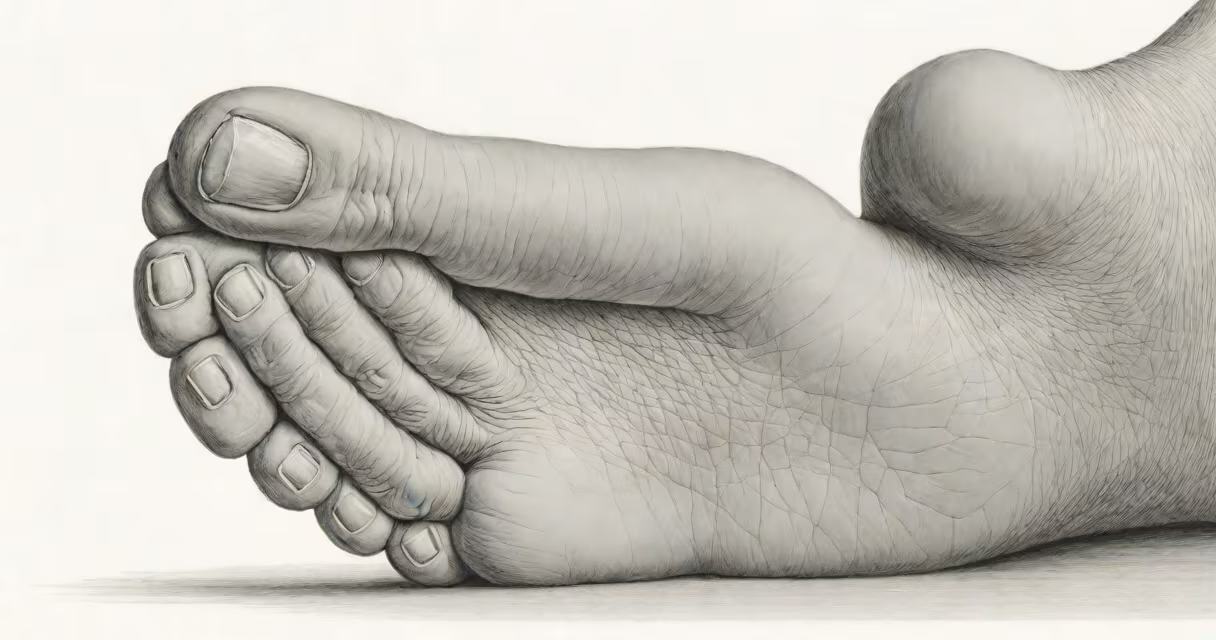
A single numb toe typically results from localized nerve compression, injury, or an underlying medical condition affecting blood flow or nerve function. This sensation-tingling, loss of feeling, or pins-and-needles-can arise suddenly or persist for days, depending on the cause.
When a toe loses sensation, it's usually due to disrupted nerve signaling along the sensory nerves in the foot. These nerves run from the spine through the lower leg and into the toes. Pressure on them-whether from tight shoes, trauma, or systemic illness-can interrupt signals to the brain, leading to numbness. The big toe is most commonly affected because it bears weight and is exposed to mechanical stress during walking.
Common triggers include wearing ill-fitting footwear, repetitive strain, or prolonged standing. More serious causes involve neurological disorders such as peripheral neuropathy, which often develops in people with uncontrolled diabetes. A 2021 study published in Diabetes Care found that nearly 50% of adults with type 2 diabetes show signs of peripheral neuropathy within 10 years of diagnosis, with foot numbness among the earliest symptoms.
Nerve signals travel along axons in peripheral nerves. When pressure builds on a nerve-such as from a shoe's toe box-the myelin sheath around the nerve fibers can compress, slowing or blocking electrical impulses. This disruption leads to numbness, often described as "dead" or "asleep."
Compression doesn't always require trauma. For example, sitting cross-legged for long periods can temporarily compress the lateral plantar nerve, causing numbness in the little toe. This effect resolves quickly upon changing position. But persistent compression-like from a bony spur or a tumor-can lead to chronic symptoms.
Another mechanism involves ischemia, or reduced blood flow. When circulation to the foot is impaired, nerves don't receive enough oxygen. Cold temperatures, smoking, or vascular disease can trigger this. A 2019 report from the American Podiatric Medical Association noted that smokers are 3.2 times more likely to develop peripheral neuropathy than non-smokers, partly due to vasoconstriction.
Not all numb toes stem from the same root. The following table outlines the most frequent origins, their typical patterns, and red flags.
| Category | Common Cause | Onset & Duration | Key Symptoms | Red Flags |
|---|---|---|---|---|
| Physical Compression | Tight shoes, bunions, hammertoe | Sudden, lasts hours to days | Numbness in big toe; pressure pain | Improves with shoe removal |
| Nerve Entrapment | Morton's neuroma, tarsal tunnel syndrome | Gradual, worsens over weeks | Burning, tingling between toes; sharp pain | Pain radiates up foot; worsens with activity |
| Systemic Condition | Diabetes, vitamin B12 deficiency | Slow onset, persists or spreads | Loss of sensation; balance issues | History of high blood sugar; fatigue |
| Injury or Trauma | Stubbed toe, fracture, sprain | Immediate, may last days | Swelling, bruising, limited movement | Deformity; inability to bear weight |
One underappreciated cause is stress fractures. A small crack in a toe bone-often from overuse-can irritate nearby nerves. These injuries are easy to miss because they don't always show swelling. A 2020 study in The Journal of Foot and Ankle Surgery found that 17% of patients with isolated toe numbness had undiagnosed stress fractures on MRI scans.
Many assume numbness in one toe is harmless or temporary. But it's not always benign. People often confuse it with poor circulation, especially in cold weather. However, true circulatory issues affect entire feet or legs-not just one toe. Cold-induced numbness usually returns to normal within minutes of warming up.
Another misconception is that only older adults experience nerve-related numbness. While aging increases risk, younger individuals-especially athletes or those with autoimmune conditions-can develop neuropathy. For example, a 28-year-old runner reported persistent big toe numbness after a marathon. Imaging revealed a compressed nerve near the ankle, likely due to repetitive impact.
numbness in one toe is rarely a sign of stroke. Stroke-related numbness typically affects entire limbs or facial regions, not isolated digits. If numbness spreads rapidly or is accompanied by weakness, slurred speech, or vision changes, seek emergency care immediately.
If numbness lasts longer than 48 hours, recurs frequently, or is accompanied by other symptoms-such as burning pain, discoloration, or difficulty walking-it warrants evaluation. A doctor may perform a monofilament test, where a thin nylon filament is applied to the skin to assess sensation. Reduced response indicates nerve damage.
I once observed a patient with a history of prediabetes who reported intermittent big toe numbness for six weeks. Blood tests revealed elevated HbA1c levels (7.8%), confirming early-stage diabetes. After lifestyle changes and medication, sensation returned within four months. This case highlights how a seemingly minor symptom can signal a larger health issue.
For persistent cases, imaging such as MRI or ultrasound may identify nerve entrapment. Treatment varies: conservative measures like orthotics or shoe modifications work for compression issues. Medications like gabapentin may ease nerve pain. In rare cases, surgery corrects structural problems like a neuroma.
When numbness continues beyond a few days, especially with a history of diabetes, high blood pressure, or alcohol use, consult a healthcare provider. Early intervention prevents complications like foot ulcers or falls due to poor balance.
Understanding why one toe is numb begins with recognizing that isolated numbness is rarely random. It's a signal-sometimes subtle-that something in the nervous system, circulation, or biomechanics needs attention. Addressing it early reduces the risk of long-term damage.