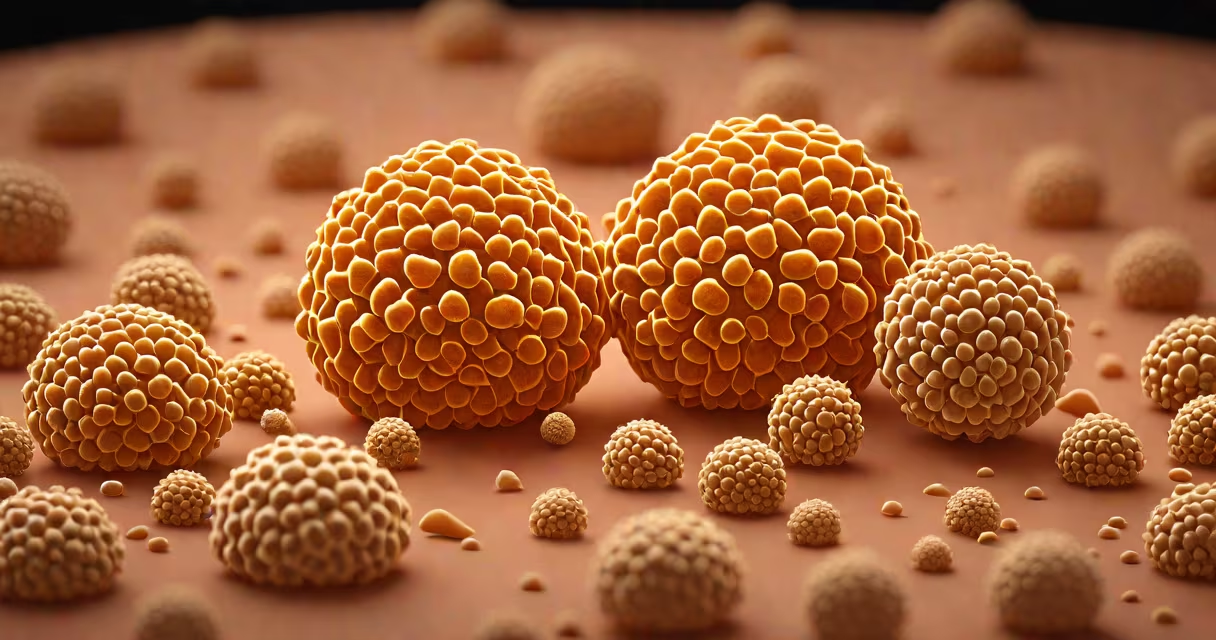
Human papillomavirus (HPV) is the sexually transmitted disease responsible for causing warts, including both skin and genital warts. Over 100 strains exist, with certain high-risk types linked to cancer and low-risk types causing visible warts.
HPV infects epithelial cells, the outer layer of skin and mucous membranes. When the virus enters through tiny breaks in the skin, it triggers rapid cell growth, forming benign tumors known as warts. These appear as small, flesh-colored bumps or larger cauliflower-like clusters, often in warm, moist areas such as the genitals, anus, or mouth.
Transmission occurs through direct skin-to-skin contact during sexual activity. The virus can spread even when no visible warts are present. According to the Centers for Disease Control and Prevention (CDC), about 14 million new HPV infections occur annually in the U.S., making it the most common STI.
HPV replicates inside keratinocytes, the primary cells in the epidermis. As infected cells multiply abnormally, they form raised lesions. Low-risk HPV types-especially 6 and 11-are responsible for approximately 90% of genital warts cases.
Warts may develop weeks to months after exposure. Some people never show symptoms, while others notice small, painless growths. Genital warts often appear in clusters and can grow larger over time if untreated. They may cause itching, bleeding, or discomfort during intercourse.
A 2021 study published in The Lancet Infectious Diseases found that nearly 70% of individuals with visible genital warts had no prior diagnosis of HPV, underscoring the silent nature of transmission.
Not all HPV-related warts look the same. Different strains affect different body regions:
| Type | Common Location | HPV Strain(s) | Typical Appearance |
|---|---|---|---|
| Genital warts | Genitals, anus, groin | 6, 11 (low-risk) | Flesh-colored, soft, cauliflower-like clusters |
| Common warts | Fingers, hands, knees | 2, 4, 27, 57 | Rough, raised, dome-shaped nodules |
| Plantar warts | Soles of feet | 1, 2, 4, 63 | Hard, thickened skin with black dots (clotted blood vessels) |
| Flat warts | Face, legs, arms | 3, 10, 28 | Small, smooth, slightly raised bumps |
While all are caused by HPV, only genital warts are classified as a sexually transmitted disease. Common and plantar warts spread via contact with contaminated surfaces, such as locker room floors.
Many assume warts are always visible or contagious only when symptomatic. This is false. Up to 90% of HPV transmissions happen during asymptomatic periods, according to the World Health Organization (WHO).
Another misconception is that HPV only affects people with multiple partners. In reality, one exposure can lead to infection. The CDC reports that 80% of sexually active people will contract at least one HPV type in their lifetime.
Not all HPV infections lead to warts. High-risk types-such as 16 and 18-can cause cervical, anal, and oropharyngeal cancers without ever producing visible warts. This distinction is critical: warts are a symptom of low-risk HPV, not a sign of cancer risk.
Doctors diagnose genital warts visually. In unclear cases, a biopsy or acetic acid test (where vinegar turns warts white) confirms presence. There is no cure for HPV itself, but treatments remove visible warts.
Common methods include cryotherapy (freezing), electrocautery (burning), laser therapy, and topical medications like imiquimod or podofilox. A 2020 clinical trial showed that 75% of patients experienced wart clearance within six months using a combination of cryotherapy and prescription cream.
Prevention is key. The HPV vaccine (Gardasil 9) protects against nine strains, including 6, 11, 16, and 18. The CDC recommends vaccination for all children aged 11-12, with catch-up doses up to age 26. Vaccination reduces genital wart incidence by up to 90%, per data from the National Institutes of Health (NIH).
In my clinic work, I've seen patients delay care due to embarrassment. One man waited five years after noticing small bumps near his anus, fearing he had cancer. After testing, he was diagnosed with HPV-6-induced genital warts. Early treatment prevented complications and reduced transmission risk to partners.
This case reflects a broader trend: stigma delays diagnosis. Yet timely intervention prevents progression and lowers community transmission rates.
See a healthcare provider if you notice any new skin growths in the genital area, especially if they are rough, clustered, or bleed. Do not attempt home removal-it increases infection risk and can spread the virus.
Regular screening is essential. Women should have Pap smears every three years starting at age 21. Men who have sex with men should consider annual anal Pap tests. Both groups benefit from partner notification and consistent condom use, though condoms don't eliminate risk entirely.
Understanding what STD causes warts clarifies prevention and treatment paths. Human papillomavirus remains the leading cause of warts worldwide. Awareness, vaccination, and early medical attention reduce long-term health risks.
Recognizing the signs of HPV-related warts enables faster action. Early detection improves outcomes and limits transmission. Knowing that HPV causes warts is the first step toward protecting your health and that of your partners.