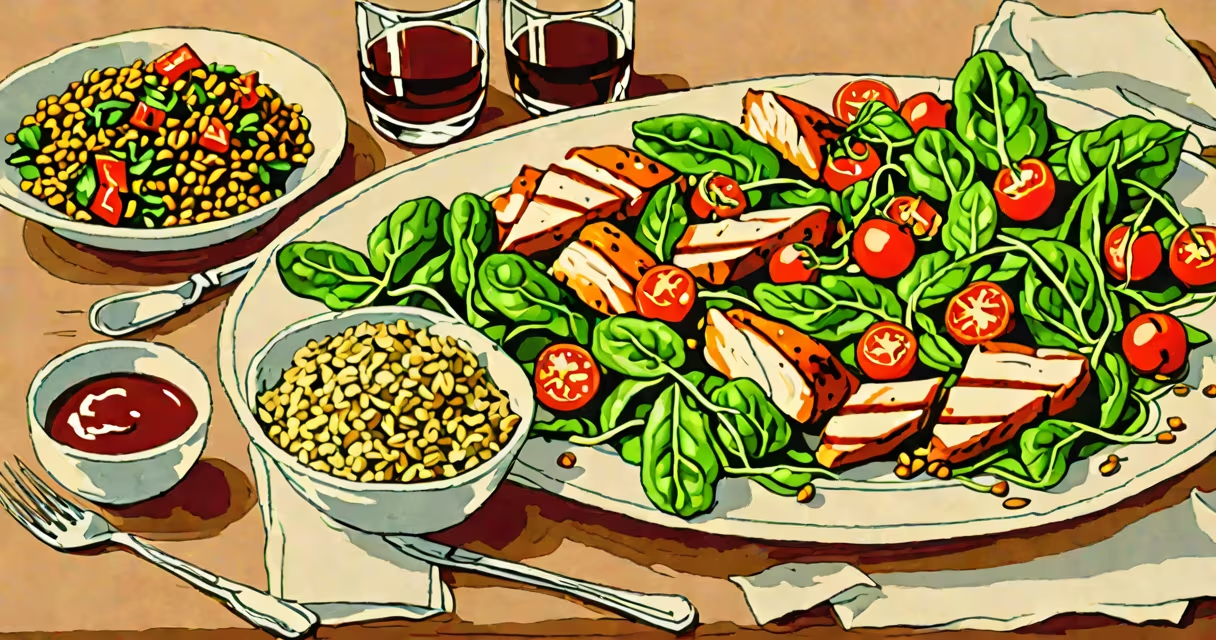
anemia what to eat refers to dietary choices that improve iron levels and support red blood cell production, especially in iron-deficiency anemia. Prioritizing iron-rich foods, vitamin C sources, and B12-containing items can reverse fatigue and weakness linked to low hemoglobin.
Iron-deficiency anemia occurs when the body lacks sufficient iron to make hemoglobin, the protein in red blood cells that carries oxygen. Without enough iron, tissues starve for oxygen, leading to tiredness, pale skin, and shortness of breath. The most effective way to treat this condition through diet is by consuming foods high in bioavailable iron and nutrients that improve absorption.
The National Institutes of Health (NIH) states that daily iron requirements are 8 mg for men and boys over 14, and 18 mg for women aged 19-50 due to menstrual losses. Women who are pregnant need 27 mg daily. A consistent intake of iron-rich foods reduces symptoms and prevents progression to severe anemia.
When you consume iron-rich foods, your small intestine absorbs iron in two forms: heme and non-heme. Heme iron comes from animal sources like beef, poultry, and fish. It's absorbed at about 15-35% efficiency. Non-heme iron comes from plant sources such as beans, spinach, and fortified grains. Absorption ranges from 2-20%, depending on food combinations.
Vitamin C dramatically boosts non-heme iron absorption. Consuming 100 mg of vitamin C with a meal increases iron uptake by up to 67%. This is why pairing spinach with lemon juice or eating an orange with a bowl of lentils enhances iron delivery. Conversely, calcium, tea, coffee, and certain fibers inhibit iron absorption and should be avoided during meals.
A 2021 study published in the journal Nutrients found that individuals who ate iron-rich diets had higher hemoglobin levels after 12 weeks compared to those who did not. Participants who included both heme and non-heme iron sources saw greater improvement than those relying solely on plant-based iron.
Not all iron sources are equal. The table below outlines key food categories and their iron content per 100 grams:
| Foods | Type of Iron | Iron Content (mg) | Best With |
|---|---|---|---|
| Beef liver (cooked) | Heme | 6.5 | Lemon juice, spinach |
| Clams (cooked) | Heme | 23.5 | Orange slices, bell peppers |
| Spinach (cooked) | Non-heme | 3.5 | Tomato, lemon juice |
| Lentils (boiled) | Non-heme | 6.6 | Red pepper, orange |
| Fortified breakfast cereal | Non-heme | 18.0 | Orange juice, kiwi |
Clams contain nearly four times more iron per 100g than beef liver. However, clams are less accessible to many people due to dietary restrictions or allergies. For plant-based options, fortified cereals offer high iron content and are often paired with vitamin C-rich fruits to maximize absorption.
Some foods are rich in other essential nutrients that support red blood cell formation. Vitamin B12, found in animal products like salmon and eggs, is required for DNA synthesis in developing red blood cells. A deficiency in B12 leads to pernicious anemia, which mimics iron-deficiency anemia but requires different treatment. Folate (vitamin B9), abundant in dark leafy greens and legumes, also supports cell division and hemoglobin production.
Many assume that eating red meat alone cures anemia. While beef provides highly absorbable heme iron, relying on it exclusively ignores the role of cofactors like vitamin C and B vitamins. A balanced diet including plant-based iron sources and nutrient-dense pairings is more effective long-term.
Another misconception is that all iron supplements are equally effective. Oral iron supplements like ferrous sulfate are well-studied and recommended by the American Society of Hematology. However, they cause gastrointestinal side effects in 30-50% of users. Dietary iron is gentler on the gut and avoids constipation, nausea, and black stools common with pills.
One underappreciated fact: cooking in cast-iron cookware increases iron content in food. A 2018 study in Food Chemistry showed that acidic foods like tomato sauce cooked in cast-iron skillets gained up to 2.5 mg of iron per serving. This effect is significant for people with marginal iron stores.
Consider a 35-year-old woman diagnosed with iron-deficiency anemia (hemoglobin: 10.2 g/dL). Her doctor recommends dietary changes alongside supplementation. She begins a seven-day meal plan focused on iron-rich and absorption-enhancing foods:
After six weeks, her hemoglobin rose to 12.8 g/dL. She reported increased energy and fewer episodes of dizziness. Her doctor noted that while supplements helped, dietary changes were the foundation of recovery.
Certain foods interfere with iron absorption. Coffee and tea contain tannins that bind iron and reduce uptake by up to 39%. Drinking them within an hour of a meal can negate the benefits of iron-rich foods. Calcium supplements and dairy products also inhibit absorption. A single glass of milk with a meal may reduce iron absorption by 50%.
High-fiber foods like bran cereals and raw spinach can bind minerals, though cooked spinach is safe. The key is timing: consume iron-rich meals at least two hours apart from calcium-rich foods or beverages containing caffeine.
People with chronic conditions like Crohn's disease or celiac disease may struggle to absorb iron even with proper diet. In such cases, medical evaluation is necessary. Anemia what to eat is not a substitute for diagnosis and treatment.