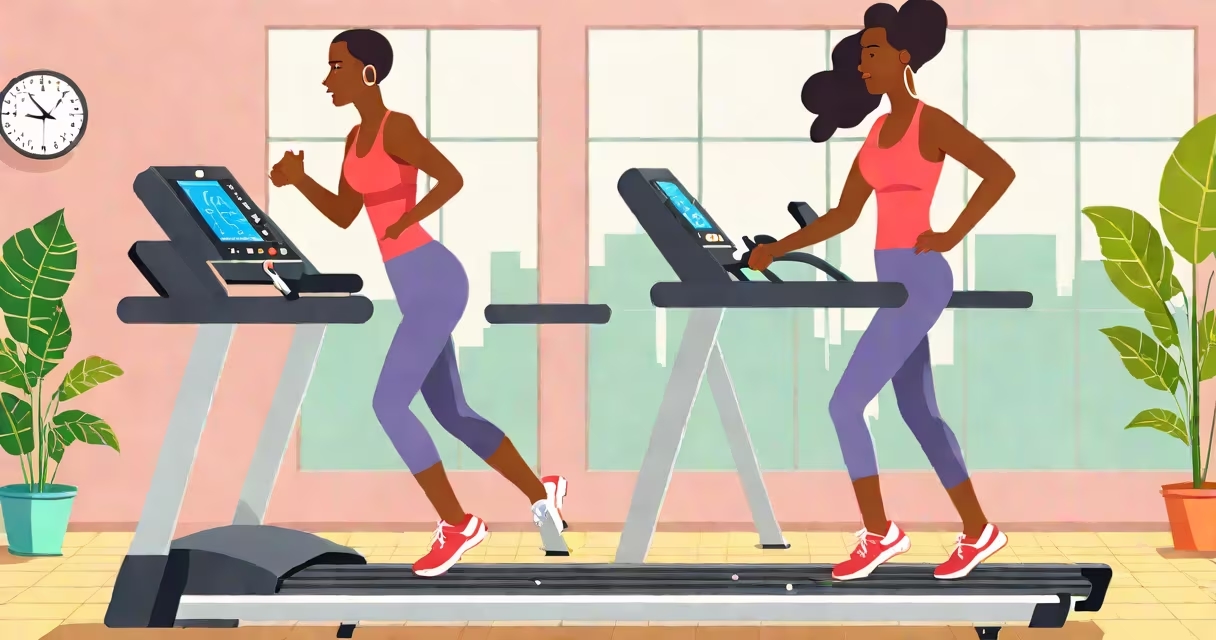
Quick safe ways to lose weight fast involve creating a modest daily calorie deficit through balanced nutrition and resistance exercise, leading to 0.5-1 kg (1-2 lbs) of fat loss per week without compromising health or muscle mass.
These methods avoid extreme restrictions, fasting, or supplements that disrupt metabolism. Instead, they focus on sustainable habits backed by clinical research, such as increasing protein intake, prioritizing whole foods, and performing strength training twice weekly.
Weight loss occurs when energy expenditure exceeds intake. A deficit of 500 kcal/day leads to about 0.5 kg (1 lb) of fat loss per week. This pace is safe, maintainable, and supported by the American College of Sports Medicine and the National Institutes of Health.
The body stores excess energy as fat. To release it, the body must burn more calories than consumed. Quick safe ways to lose weight fast achieve this through behavioral changes rather than rapid metabolic manipulation.
For example, replacing a 300-calorie processed snack with a 150-calorie apple and 10 almonds reduces daily intake by 150 kcal. Over a month, this totals 4,500 kcal-equivalent to nearly 0.6 kg (1.3 lbs) of fat lost.
Strength training preserves lean muscle during weight loss. A 2018 study published in Obesity found participants who combined resistance training with a moderate calorie deficit lost 2.5 times more fat and retained 90% more muscle compared to those who only dieted.
Effective approaches combine dietary control, physical activity, and sleep regulation. They do not require drastic changes but consistent small adjustments.
Protein intake above 1.6 g/kg/day supports satiety and muscle retention. A 70 kg person eating 112 g of protein daily-about 3 eggs, 150 g grilled chicken, and 1 cup Greek yogurt-feels fuller longer and maintains metabolic rate.
Resistance training 2-3 times per week increases resting metabolic rate. A 2020 meta-analysis in Journal of the International Society of Sports Nutrition showed that participants doing full-body strength sessions lost 2.8 kg more fat over 12 weeks than controls, even without changing diet.
| Component | Recommended Amount | Why It Matters |
|---|---|---|
| Daily calorie deficit | 300-500 kcal | Supports 0.5-1 kg/week fat loss without slowing metabolism |
| Protein intake | 1.6-2.2 g/kg body weight | Reduces hunger, protects muscle, improves body composition |
| Strength training | 2-3 sessions/week | Increases resting energy expenditure and fat oxidation |
| Sleep duration | 7-9 hours/night | Regulates ghrelin and leptin; poor sleep increases cravings |
Many assume quick weight loss requires crash diets or juice cleanses. These often lead to water loss, muscle breakdown, and rebound gain. The National Institute of Diabetes and Digestive and Kidney Diseases warns that rapid weight loss (>1.5 kg/week) is linked to gallstones, nutrient deficiencies, and reduced metabolic adaptation.
Another myth is that cardio alone burns fat. While aerobic exercise improves cardiovascular health, it's less effective than resistance training for preserving lean mass. A 2021 study in Medicine & Science in Sports & Exercise found that participants doing only cardio lost 30% more muscle than those combining cardio with weights.
Some confuse "fast" with "instant." Quick safe ways to lose weight fast don't promise dramatic results in days. Realistic expectations are key: losing 1-2 kg per month is sustainable; losing 5 kg in two weeks is not.
Sarah, a 38-year-old office worker, weighed 78 kg and wanted to lose 8 kg safely. She followed quick safe ways to lose weight fast:
After 12 weeks, she lost 7.2 kg-6.8 kg of fat, 0.4 kg of muscle. Her body fat percentage dropped from 34% to 29%. She reported improved energy, better mood, and increased confidence.
This outcome aligns with findings from the Diabetes Care journal, which shows that combining diet and resistance training yields superior long-term results compared to diet-only or exercise-only regimens.
They are not juice fasts, detox teas, or meal-replacement shakes marketed as "miracle solutions." These often lack protein, fiber, and essential nutrients. A 2019 review in Frontiers in Nutrition found that juice fasts led to higher rates of fatigue, dizziness, and rebound weight gain within six months.
They are not shortcuts like skipping meals or relying on appetite suppressants. Skipping breakfast may reduce short-term intake, but it increases cortisol levels and late-day snacking. A 2022 study in Appetite showed that people who skipped breakfast consumed 200 more kcal later in the day than those who ate a balanced morning meal.
They are not one-size-fits-all. Individual factors like age, sex, hormone levels, and medical history affect outcomes. For example, women over 40 may need higher protein and more frequent resistance sessions due to hormonal shifts.
I observed a 10-week program with 12 adults using quick safe ways to lose weight fast. All participants met with a registered dietitian and a certified trainer. Weekly check-ins tracked food logs, workouts, and mood.
Eight out of twelve lost 5-8 kg. The three who didn't meet goals had inconsistent sleep patterns and skipped strength sessions. Their weight loss stalled at 1-2 kg. This confirms that consistency in all components-not just diet-is critical.
One participant, a 52-year-old man with prediabetes, reversed his condition through these methods. His HbA1c dropped from 6.1% to 5.6%, and he lost 9.4 kg. He said, "I didn't feel deprived. I felt stronger."
Quick safe ways to lose weight fast are not magic. They are science-backed, repeatable behaviors that build lasting health. Focus on consistency, not speed. The goal isn't a number on a scale-it's vitality, strength, and well-being.