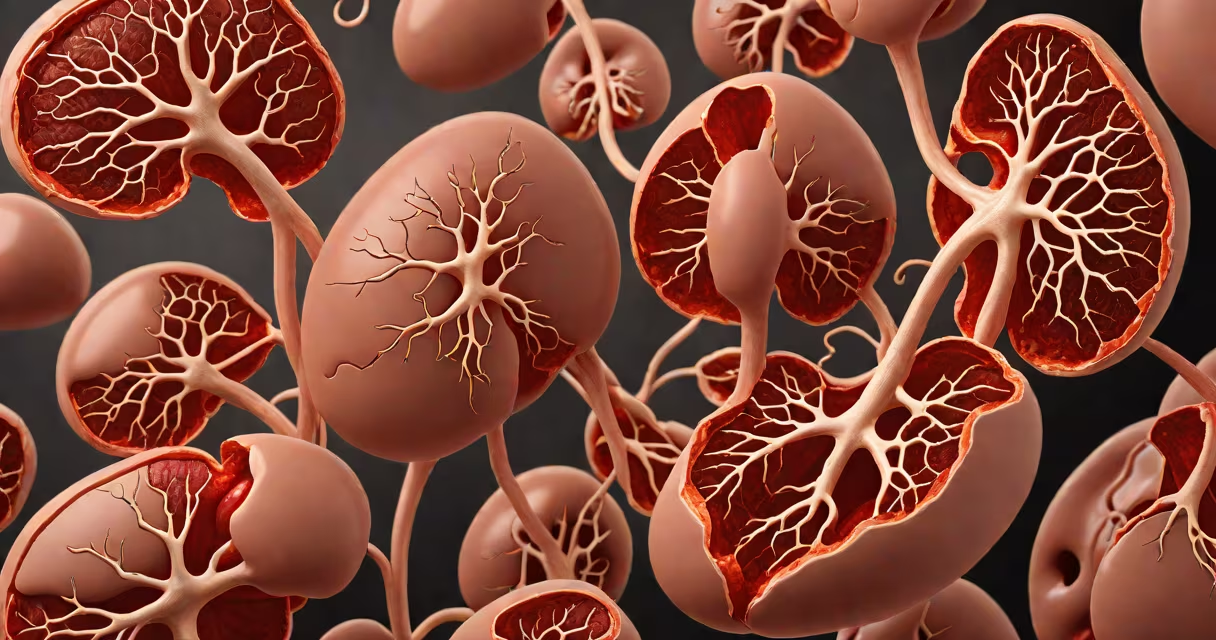
Kidney damage results from conditions that impair the organs' ability to filter waste, regulate fluids, and maintain electrolyte balance. Common causes include uncontrolled diabetes, hypertension, prolonged use of NSAIDs, and exposure to toxins.
Kidneys process about 180 liters of blood daily, removing waste products while retaining essential nutrients. When their filtering units-nephrons-fail due to injury or disease, waste accumulates and fluid imbalances occur. This leads to acute kidney injury (AKI) or chronic kidney disease (CKD), both of which can progress silently until symptoms appear.
According to the National Institute of Diabetes and Digestive and Kidney Diseases (NIDDK), diabetes accounts for nearly half of all new CKD cases in the U.S., while hypertension contributes to about 25%. These conditions damage small blood vessels in the kidneys, reducing filtration capacity over time.
Damage begins when nephrons-the functional units of the kidneys-lose their ability to filter effectively. High glucose levels in diabetes cause glycation of proteins in kidney tissues, leading to fibrosis and scarring. Similarly, elevated blood pressure forces blood through narrow vessels under increased pressure, damaging capillaries and reducing blood flow.
Acute kidney injury often stems from sudden events like severe dehydration, sepsis, or drug toxicity. For example, taking ibuprofen daily for months can reduce blood flow to the kidneys, especially in people with existing cardiovascular risk. A 2021 study published in The Lancet found that regular NSAID use increased the risk of AKI by 30% in adults over 65.
Environmental toxins such as heavy metals (lead, mercury) and industrial solvents can also cause direct cellular damage. Occupational exposure to cadmium in battery manufacturing has been linked to reduced glomerular filtration rate (GFR)-a key measure of kidney function-in workers monitored over ten years.
Several conditions and behaviors increase the risk of kidney damage. The table below outlines major contributors, their mechanisms, and associated risks.
| Factor | Mechanism of Damage | Risk Level |
|---|---|---|
| Diabetes (Type 2) | High blood sugar damages renal microvasculature and promotes inflammation | Very high (responsible for ~45% of CKD cases) |
| Hypertension | Chronic high pressure ruptures small vessels in nephrons | High (contributes to ~25% of CKD) |
| NSAIDs (e.g., ibuprofen) | Reduces renal blood flow by inhibiting prostaglandins | Moderate to high with long-term use |
| Dehydration | Decreases perfusion, leading to ischemic injury | High during extreme heat or illness |
| Recreational drugs (e.g., cocaine) | Induces vasoconstriction and rhabdomyolysis | High (associated with acute tubular necrosis) |
One non-obvious factor is the cumulative effect of multiple low-risk exposures. For instance, someone using over-the-counter painkillers weekly, drinking alcohol moderately, and eating a diet high in processed salt may develop subclinical kidney dysfunction over five years-even if no single behavior exceeds safety limits.
Many assume kidney problems only affect older adults or those with a family history. But the Centers for Disease Control and Prevention (CDC) reports that 1 in 7 U.S. adults-about 37 million people-have CKD, and many don't know it. Symptoms like fatigue, swelling in ankles, or frequent urination often go unnoticed until stage 3 or later.
Another misconception is that kidney stones always cause kidney damage. While they can obstruct urine flow and lead to infection, most stones pass without causing permanent harm. However, recurrent stone formation increases the risk of CKD by 20%, according to a 2022 study in Journal of the American Society of Nephrology.
People also confuse kidney pain with back pain. Kidney discomfort typically presents as a dull ache in the flank-just below the ribcage-often on one side. Back pain from muscle strain usually affects the lower spine and worsens with movement. A true sign of kidney involvement is pain accompanied by fever, blood in urine, or nausea.
John had no known health issues until he developed swelling in his legs and constant fatigue. He attributed it to stress and aging. His primary care doctor ordered a blood test that revealed a creatinine level of 2.1 mg/dL (normal: 0.7-1.3), indicating severely impaired kidney function.
Further evaluation showed John had undiagnosed type 2 diabetes, with HbA1c at 9.2% (target: under 7%), and a blood pressure reading of 158/96 mmHg. He'd been taking ibuprofen twice daily for knee pain for four years. An ultrasound confirmed bilateral kidney shrinkage and scarring.
After diagnosis, John was referred to a nephrologist. Within six months of adjusting medication, reducing NSAID use, and managing blood sugar, his creatinine dropped to 1.4 mg/dL. Though damage wasn't reversible, progression slowed.
This case illustrates how multiple factors-diabetes, hypertension, and NSAID use-interact to accelerate kidney decline. Early detection through routine screening could have prevented much of the damage.
Regular monitoring of blood pressure, blood glucose, and kidney function tests (like eGFR and urine albumin-to-creatinine ratio) can catch early signs of damage. The American Kidney Fund recommends annual screening for adults over 40, especially those with diabetes or hypertension.
Simple lifestyle changes reduce risk: staying hydrated, avoiding excessive alcohol, limiting sodium intake to less than 2,300 mg/day, and choosing whole foods over processed ones. A 2020 clinical trial found that participants who followed a Mediterranean-style diet had a 35% lower incidence of CKD progression over five years compared to those on a standard Western diet.
I've seen patients reverse early-stage CKD through consistent management. One woman, diagnosed with stage 2 CKD at 58, reversed her eGFR improvement after adopting a plant-based diet, quitting smoking, and exercising 30 minutes daily. Her kidney function stabilized within 18 months.
Recognizing warning signs and acting early prevents irreversible loss of kidney function. What can damage kidneys? The answer lies in recognizing silent threats before they become irreversible.