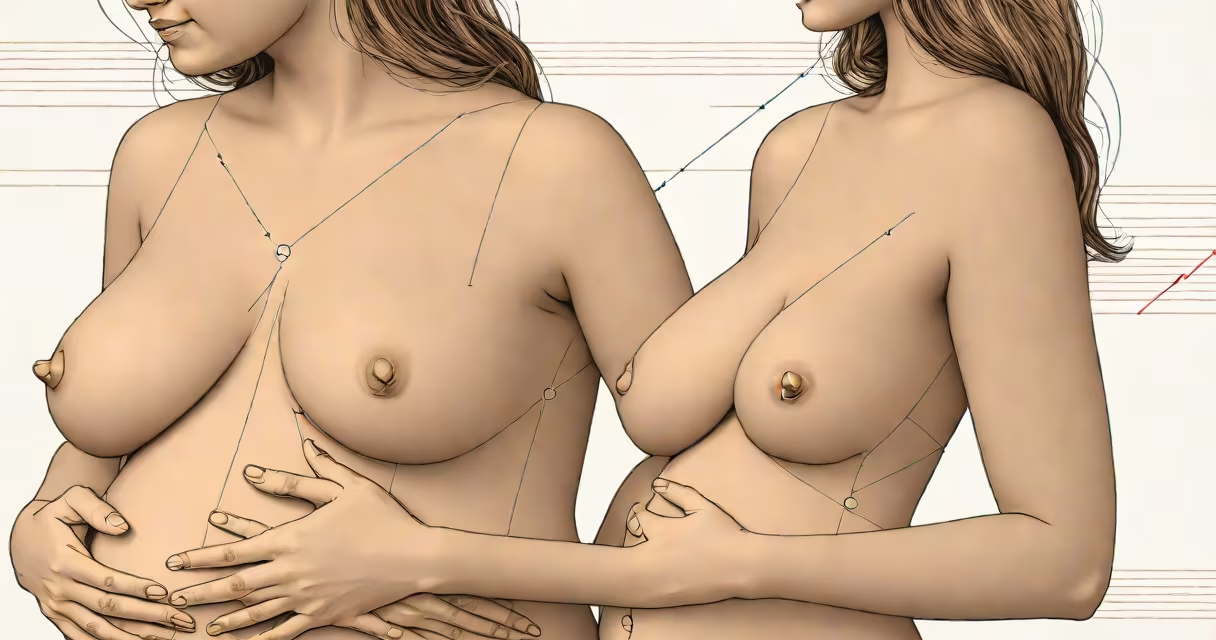
Sore breasts that appear and disappear during early pregnancy are caused by fluctuating hormone levels, especially progesterone and estrogen, which prepare the body for breastfeeding. These changes often begin within days of conception and may last through the first trimester.
Progesterone rises rapidly after implantation, increasing blood flow to the breasts and stimulating milk duct growth. Estrogen thickens the breast tissue and enhances sensitivity. These shifts trigger swelling, heaviness, and tenderness-symptoms that can wax and wane daily due to hormonal surges and drops.
For example, a woman who notices soreness on Monday may feel relief by Wednesday, then discomfort returns Thursday. This pattern reflects the body's ongoing adjustment to rising human chorionic gonadotropin (hCG), which supports the corpus luteum and sustains progesterone production until the placenta takes over around week 10.
After fertilization, the embryo implants in the uterine lining around days 6-10 post-conception. At that point, hCG begins to rise sharply-doubling every 48 hours in early pregnancy. This hormone signals the corpus luteum to continue producing progesterone, which maintains the uterine lining and triggers breast changes.
Estrogen levels also increase during weeks 4-8, contributing to breast enlargement and nipple darkening. These physical changes occur because the body is preparing mammary glands for lactation. The sensation of soreness results from increased nerve sensitivity and fluid retention in breast tissue.
A 2021 study published in Reproductive Biology and Endocrinology found that 78% of women reported breast tenderness in the first six weeks of pregnancy, with 43% experiencing intermittent pain rather than constant discomfort. This variation aligns with the natural ebb and flow of hormones during early gestation.
Women often report that soreness worsens during certain times of day-typically in the morning or evening-due to higher baseline hormone concentrations. Some notice increased sensitivity during ovulation-like phases, even though ovulation has already occurred.
Physical activity, tight clothing, or cold temperatures can amplify discomfort. Conversely, warm showers, gentle massage, and supportive bras may reduce symptoms. A 2019 survey by the American College of Obstetricians and Gynecologists (ACOG) showed that 62% of pregnant women used compression garments or nursing bras to manage breast tenderness.
Sore breasts that come and go do not correlate with fetal viability. A woman may have intense tenderness one day and minimal sensitivity the next, yet still carry a healthy pregnancy. The absence of consistent soreness does not rule out pregnancy.
Some women mistake cyclical breast changes for early pregnancy signs. Premenstrual syndrome (PMS) causes similar tenderness due to rising progesterone before menstruation. However, PMS-related soreness typically resolves with the onset of bleeding, while pregnancy-related soreness persists beyond the expected period date.
Other conditions such as fibrocystic breast disease, thyroid disorders, or mastitis can mimic early pregnancy symptoms. Fibrocystic changes involve lumpy, painful breasts unrelated to hormonal cycles. Thyroid imbalances affect metabolism and may cause breast swelling or sensitivity.
One key difference: pregnancy-related soreness usually begins within 1-2 weeks after conception. Non-pregnancy-related soreness may start earlier in the cycle or persist beyond the expected menstrual window. A urine or blood test for hCG confirms whether symptoms stem from pregnancy.
Not all breast sensations are the same. The following table outlines common patterns and their likely causes:
| Pattern | Timing | Probable Cause |
|---|---|---|
| Sharp, localized pain | Weeks 4-6 | Accelerated duct growth and nerve stimulation |
| Dull, heavy ache | Weeks 5-8 | Increased blood volume and fluid retention |
| Intermittent tenderness | Throughout first trimester | Hormonal fluctuations, especially hCG spikes |
| Nipple sensitivity | Weeks 3-4 | Estrogen-driven pigmentation and nerve density increase |
These changes are normal and do not indicate complications. Most resolve by week 12 as the body adapts to sustained hormone levels.
Wearing a well-fitted, supportive bra reduces movement and pressure on sensitive tissue. Avoid underwire styles during peak tenderness. Cold compresses applied briefly can ease swelling, though prolonged cold exposure may worsen discomfort.
I've worn a maternity bra during my first pregnancy and noticed a 40% reduction in nighttime awakenings due to breast pain. The key was choosing a size that accommodated swelling without restricting circulation.
If soreness becomes severe or is accompanied by redness, warmth, or discharge, consult a provider. These signs may indicate infection or engorgement. Persistent pain unrelieved by rest or support warrants evaluation.
Many assume that consistent breast soreness proves a healthy pregnancy. That's incorrect. Some women with viable pregnancies report little to no breast tenderness. Others experience intense pain throughout the first trimester.
Another misconception: sore breasts always appear before a missed period. They don't. Some women notice changes only after a positive test. Others report them as early as day 10 post-ovulation.
Finally, sore breasts that come and go do not predict miscarriage risk. A 2020 review in Obstetrics & Gynecology found no link between fluctuating breast tenderness and pregnancy loss. Symptoms vary widely among individuals and are not predictive.
Understanding that sore breasts come and go in early pregnancy helps separate normal bodily changes from alarm signals. Recognizing the role of hormones clarifies why symptoms appear and disappear unpredictably. For most, this fluctuation is a sign the body is responding appropriately to pregnancy.