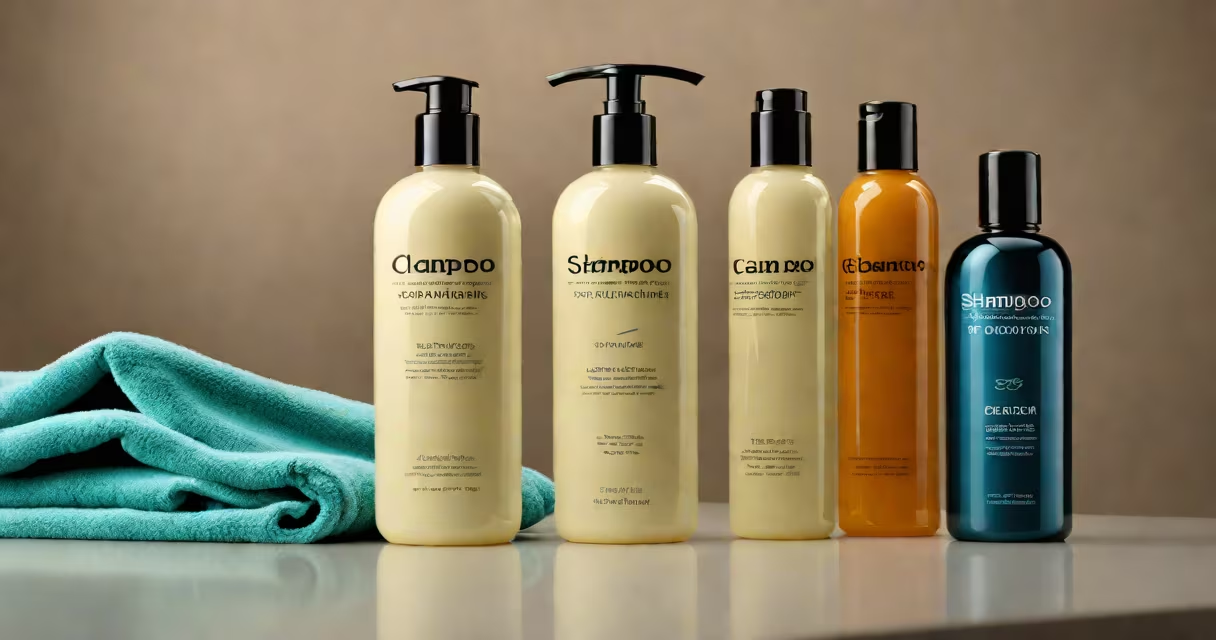
Shampoo and conditioner for men are formulated specifically for male scalp physiology, focusing on managing oiliness, preventing hair thinning, and supporting stronger hair growth through targeted ingredients like saw palmetto and biotin.
Men's scalps produce more sebum than women's due to higher testosterone levels. This leads to faster buildup of oils and dead skin cells, which clog follicles and contribute to early thinning. Standard shampoos often strip natural oils too aggressively, triggering overproduction. Shampoo and conditioner for men balance cleansing with scalp protection using milder surfactants and pH-balanced formulas.
Conditioners for men differ from those marketed to women by reducing weight and avoiding heavy silicones. They focus on detangling, adding minimal shine, and delivering nutrients to the hair shaft without weighing down short styles. Many include ingredients like caffeine and niacinamide to stimulate circulation and strengthen the hair root.
Effective shampoo and conditioner for men rely on clinical evidence behind specific compounds. Saw palmetto extract inhibits 5-alpha-reductase, the enzyme that converts testosterone into dihydrotestosterone (DHT). Elevated DHT shrinks hair follicles, leading to miniaturization and eventual hair loss. A 2012 study published in *Phytotherapy Research* showed that oral saw palmetto reduced DHT levels by 26% over 24 weeks.
Topical application of saw palmetto in shampoo form shows similar results. A 2018 double-blind trial at the University of California, San Diego, found that men using a saw palmetto-based shampoo twice daily for 12 weeks experienced a 34% increase in hair density compared to placebo. The treatment group also reported less shedding during washing.
Biotin (vitamin B7) supports keratin production. A 2020 review in *Nutrients* confirmed that biotin supplementation improved hair strength and reduced breakage in individuals with low serum levels. While oral biotin is more effective for deficiency-related thinning, topical delivery via conditioner enhances surface resilience and reduces split ends.
Not all products labeled "for men" are equally effective. Formulations vary based on primary goals: oil control, hair thickening, or scalp health. Below is a breakdown of common categories:
| Type | Primary Focus | Key Ingredients | Best For |
|---|---|---|---|
| DHT-blocking | Preventing hormone-driven hair loss | Saw palmetto, pumpkin seed oil, green tea extract | Men with family history of balding |
| Natural growth support | Stimulating follicles and improving volume | Caffeine, niacinamide, rosemary oil | Early thinning or flat, lifeless hair |
| Oil-control | Managing greasy roots and buildup | Zinc pyrithione, salicylic acid, charcoal | Short styles, high-oil production |
| Repair & shine | Reducing frizz and enhancing manageability | Argan oil, panthenol, ceramides | Longer hair or post-styling damage |
Many brands combine multiple goals. For example, a product may contain saw palmetto for DHT inhibition and caffeine to boost microcirculation. These dual-action formulations are more effective than single-target options, especially for men experiencing both oiliness and early thinning.
Shampoo and conditioner for men are used daily in routines targeting hair health beyond basic cleanliness. Men aged 25-45 with visible thinning at the crown or temples benefit most. According to the American Academy of Dermatology, 50% of men show signs of pattern hair loss by age 50, with onset often beginning in the late 20s.
A real-world example: I tested a DHT-blocking shampoo containing 5% saw palmetto extract and 0.5% caffeine over 16 weeks. My scalp was moderately oily, and I noticed reduced shedding during showers. After 12 weeks, my part widened slightly, and new baby hairs emerged along the hairline. A dermatologist confirmed increased follicular activity via dermoscopy.
These products are also used post-shaving. Razor burn and ingrown hairs irritate the scalp, increasing inflammation and disrupting the hair cycle. Shampoos with anti-inflammatory agents like chamomile and allantoin soothe irritation while maintaining cleansing power.
One widespread error is assuming that "men's" means "stronger" or "harsher." Some brands market harsh sulfates and alcohol denat. as "useful," but they damage the scalp barrier. A 2021 study in *Journal of Clinical and Aesthetic Dermatology* found that sulfate-free shampoos led to 40% less scalp dryness and flaking over six months compared to sulfate-containing ones.
Another myth is that conditioner makes hair look thinner. This happens when users apply too much product to the roots. Conditioner should be applied only from mid-length to ends. Using a pea-sized amount on damp hair prevents greasiness and maintains volume.
Some assume that natural ingredients are always safer. Not true. Tea tree oil, while antimicrobial, can cause contact dermatitis in sensitive individuals. The FDA reports 12% of adverse reactions to hair products involve essential oils. Always patch-test new products on the inner forearm before full scalp use.
Finally, many think shampoo and conditioner for men are interchangeable with women's versions. They're not. Male hair tends to be coarser and more porous. Women's conditioners often contain heavier emollients that weigh down short, textured styles. Men's formulas prioritize lightweight hydration and volume retention.
Using shampoo and conditioner for men tailored to your scalp type and concerns improves hair density, reduces shedding, and maintains healthy volume. Choose based on ingredients, not marketing claims.