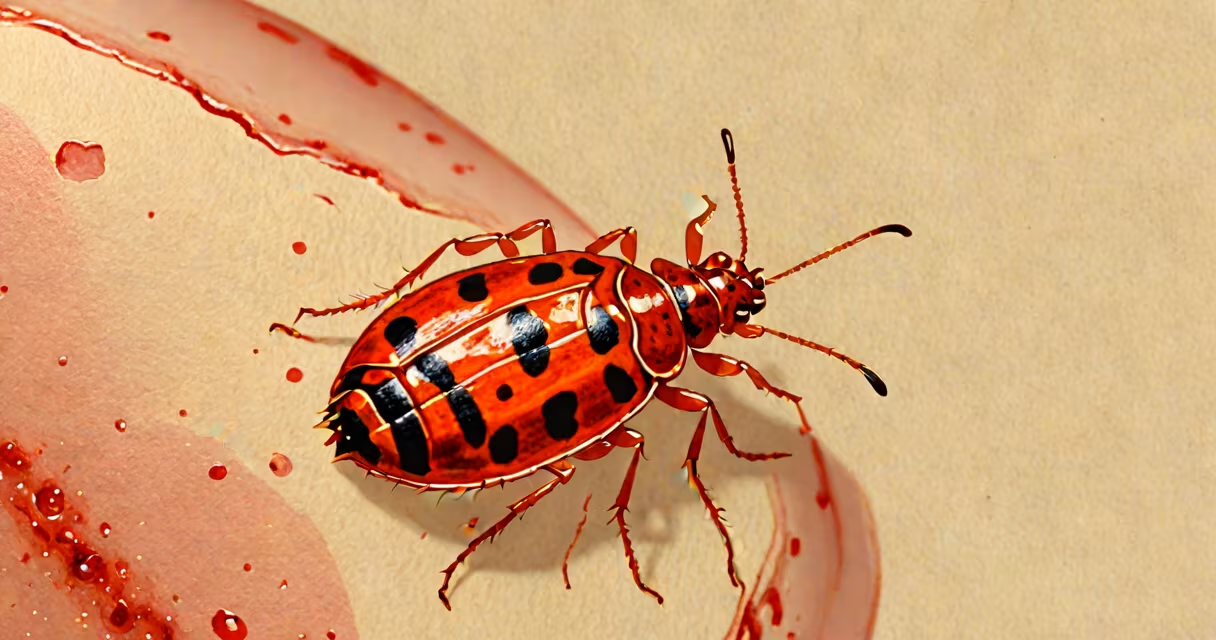
Bed bug bites do not always cause itching right away. Some people feel intense itching within minutes, while others notice no itch for several hours or even days. The timing depends on individual immune response, prior exposure, and bite location.
Bed bugs feed on human blood using a specialized mouthpart that injects anticoagulants and anesthetic compounds. These substances prevent pain and clotting during feeding, which typically lasts 3-10 minutes. The delay in itching stems from the body's delayed recognition of the foreign proteins in the bug's saliva.
According to the Centers for Disease Control and Prevention (CDC), the most common symptom of bed bug bites is localized redness and swelling. Itching usually develops 1-2 hours after the bite, though some individuals report no reaction at all. This variation makes early detection difficult.
When a bed bug bites, it deposits saliva containing proteins that the immune system identifies as threats. Mast cells in the skin release histamine in response, causing inflammation, swelling, and itching. This process takes time-typically 30 minutes to several hours-depending on sensitivity.
First-time victims often have stronger reactions because their bodies haven't developed tolerance. Repeated exposure may lead to desensitization, meaning later bites cause less itching or even go unnoticed. A 2019 study published in Medical Entomology found that 60% of participants showed no visible reaction to initial bites, but 85% developed itching upon subsequent exposure.
Location matters too. Bites on thin-skinned areas like the face, neck, or hands tend to itch more intensely due to higher nerve density. Bites on thicker skin, such as the forearms or legs, may cause mild irritation or go unnoticed entirely.
Reactions to bed bug bites fall into three categories based on onset and severity:
| Reaction Type | Onset Time | Common Symptoms | Prevalence |
|---|---|---|---|
| Immediate itch | Within 15-30 minutes | Red, raised bumps; intense scratching urge | ~30% |
| Delayed itch | 1-6 hours post-bite | Mild redness; slow-onset itching | ~50% |
| No reaction | None or very mild | Small red marks; no itch or swelling | ~20% |
Some people develop delayed hypersensitivity, where the first few bites appear harmless but trigger severe itching after multiple exposures. This pattern can mimic allergic contact dermatitis or other skin conditions.
Many assume that all bed bug bites itch immediately because of media portrayals. In reality, the absence of itching doesn't rule out infestation. A 2021 survey by the National Pest Management Association found that 44% of people who reported bed bug problems had no noticeable itching at all.
Another error is confusing bed bug bites with flea or mosquito bites. Flea bites often cluster around ankles and wrists and cause sharp, stinging pain. Mosquito bites are typically isolated and appear instantly. Bed bug bites usually form in lines or clusters of three (called "breakfast, lunch, and dinner") and may not show up until hours later.
A key distinction: bed bug bites don't usually cause blisters or pus unless scratched excessively. If you see fluid-filled lesions or signs of infection, seek medical advice. The CDC warns that secondary infections from scratching occur in about 12% of cases.
In 2022, a family in suburban Chicago reported waking up with red welts on their arms and backs. They initially dismissed them as mosquito bites. Two days later, the youngest child developed intense itching and swelling on the neck. A pest control inspection confirmed a bed bug infestation in the bedroom mattress.
Tests revealed that the adults had no immediate reaction-only mild redness. The child, however, developed itching within 90 minutes of the first bite. This case illustrates how individual responses vary widely. The family had no prior history of bed bug exposure, making the delayed onset typical for first-time victims.
If you find bite marks but feel no itch, don't assume they're harmless. Look for patterns: linear arrangements, bites on exposed skin, and fresh bloodstains on sheets. Check mattress seams, box springs, and behind baseboards with a flashlight.
For persistent itching, apply hydrocortisone cream or take oral antihistamines. If swelling spreads or you develop fever, consult a healthcare provider. Severe allergic reactions are rare but possible.
Understanding that bed bug bites don't always itch immediately prevents misdiagnosis and delays in treatment. Early action reduces the risk of spreading infestations and minimizes health impacts.
Recognizing the variability in reactions helps clarify that the absence of itch does not equal absence of bed bugs. Monitoring for bite patterns and physical signs remains essential.