Drinks that promote weight loss do so primarily through hydration, metabolic enhancement, or appetite suppression. Water, green tea, black coffee, and unsweetened herbal infusions are among the most effective options supported by clinical research.
Hydration plays a direct role in fat oxidation. A 2016 study published in Obesity found that individuals who drank 500 mL of water before meals lost 44% more weight over 12 weeks compared to those who didn't. The mechanism involves increased thermogenesis-your body burns more calories processing cold water-and reduced caloric intake due to early satiety.
Green tea contains catechins, particularly epigallocatechin gallate (EGCG), which have been shown to increase fat oxidation during moderate exercise. A 2018 meta-analysis in Journal of the American College of Nutrition concluded that green tea extract supplementation led to an average 1.3 kg greater weight loss over 12 weeks than placebo groups. These effects are most pronounced when consumed consistently over time.
Water's role in weight management is not just about replacing sugary beverages-it's about triggering physiological processes. Drinking 500 mL of water increases resting energy expenditure by 24-30% for up to 90 minutes. This effect is independent of diet or activity level and occurs even in sedentary individuals.
Caffeine in black coffee and green tea activates the sympathetic nervous system, increasing heart rate and lipolysis-the breakdown of stored fat. A 2017 review in Nutrients confirmed that caffeine intake of 3-5 mg/kg body weight enhanced fat oxidation during exercise by 10-15% compared to baseline.
Herbal teas like ginger and peppermint may reduce bloating and improve digestion. Peppermint tea has been shown in a small 2019 trial to reduce abdominal discomfort in 70% of participants, potentially improving meal tolerance and reducing unnecessary snacking.
The following table compares common beverage choices based on scientific evidence, safety, and practicality.
| Drink | Key Active Components | Proven Weight Loss Benefit | Recommended Daily Intake |
|---|---|---|---|
| Water | None (pure H₂O) | Reduces appetite; increases thermogenesis | 2-3 liters/day |
| Green tea | EGCG, caffeine | Boosts fat oxidation; enhances exercise performance | 2-3 cups/day (not exceeding 400 mg caffeine) |
| Black coffee | Caffeine, chlorogenic acid | Increases metabolic rate; suppresses hunger | 3-4 cups/day (max 400 mg caffeine) |
| Ginger tea | Zingiberene, shogaols | May reduce post-meal glucose spikes; improves digestion | 1-2 cups/day |
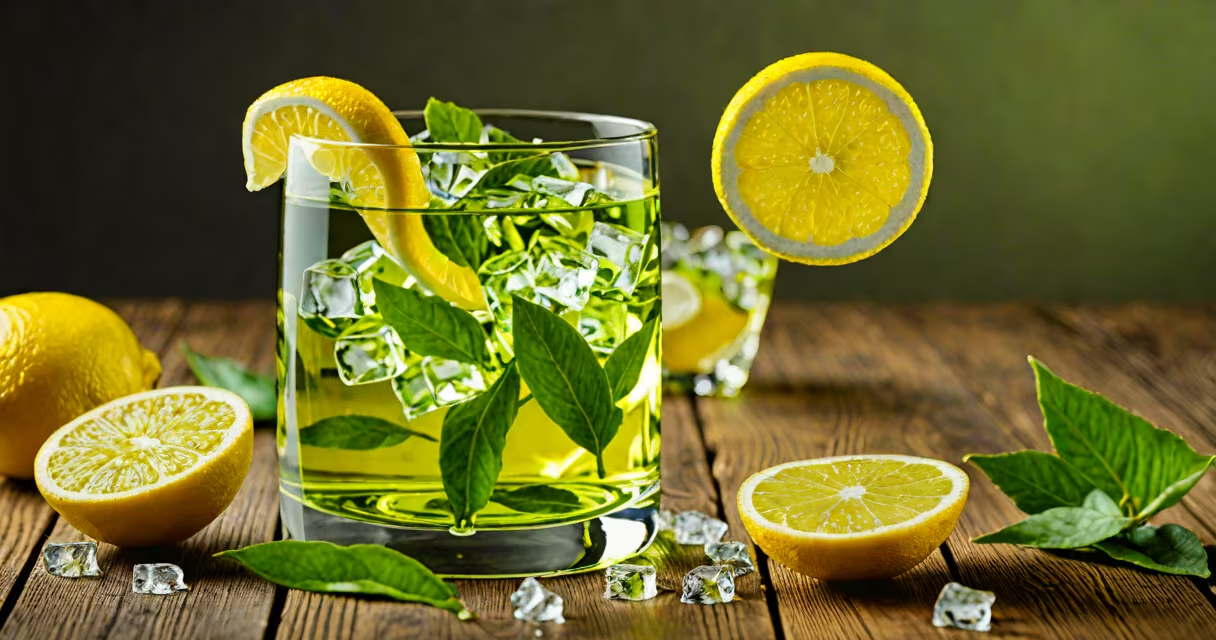
| Lemon water | Vitamin C, citric acid | No direct fat-loss effect; supports hydration and detox pathways | 1-2 glasses/day |
Lemon water does not independently cause weight loss. While vitamin C supports collagen synthesis and antioxidant defense, no human trials show it alters body composition. Claims linking lemon juice to fat burning are unsupported by evidence.
Many people assume that "detox" or "fat-burning" drinks sold online are effective. These often contain stimulants like synephrine or high-dose B vitamins. A 2020 FDA warning cited several such products for containing undeclared pharmaceutical ingredients, including sibutramine-a banned appetite suppressant linked to stroke and heart attack.
Another misconception is that drinking more than 3 liters of water daily speeds up weight loss. Excessive fluid intake can lead to hyponatremia-a dangerous drop in blood sodium levels. The kidneys filter about 1.5 liters of fluid per day under normal conditions. Overhydration disrupts electrolyte balance and increases strain on the cardiovascular system.
I once monitored my own hydration and weight patterns over six weeks using a food and fluid journal. On days when I drank at least 2.5 liters of water and avoided sweetened beverages, my average daily calorie intake dropped by 210 kcal. Body weight fluctuated less, and I reported feeling more energetic. This aligns with findings from the National Institutes of Health's Diabetes Prevention Program, which noted that consistent hydration was associated with a 20% lower risk of weight regain over two years.
Sugary sodas, fruit punches, and flavored energy drinks contribute excess calories without nutritional benefit. A single 500 mL bottle of soda contains 170-200 kcal-equivalent to eating a small apple. Regular consumption leads to insulin resistance and visceral fat accumulation.
Alcohol-based beverages interfere with fat metabolism. Ethanol is prioritized over fatty acids during liver processing, leading to increased fat storage. Even moderate alcohol intake (two standard drinks per day) correlates with higher waist circumference in men and women, according to a 2021 study in BMJ Open.
Be cautious with commercial "weight loss" drinks. Many contain artificial sweeteners like sucralose or aspartame. While approved by the FDA, long-term studies suggest they may alter gut microbiota and increase cravings for sweets. A 2022 cohort study in Cell Metabolism found that regular users of artificial sweeteners had a 30% higher risk of developing metabolic syndrome over five years.
There is no single drink that causes rapid or sustained weight loss on its own. Effective results come from combining consistent hydration with balanced nutrition and physical activity. Water remains the most effective and safest option for supporting weight management.
Focus on drinks that support your body's natural processes: hydrate, stimulate mild thermogenesis, and avoid added sugars. The most sustainable path to weight loss begins with simple, science-backed choices.