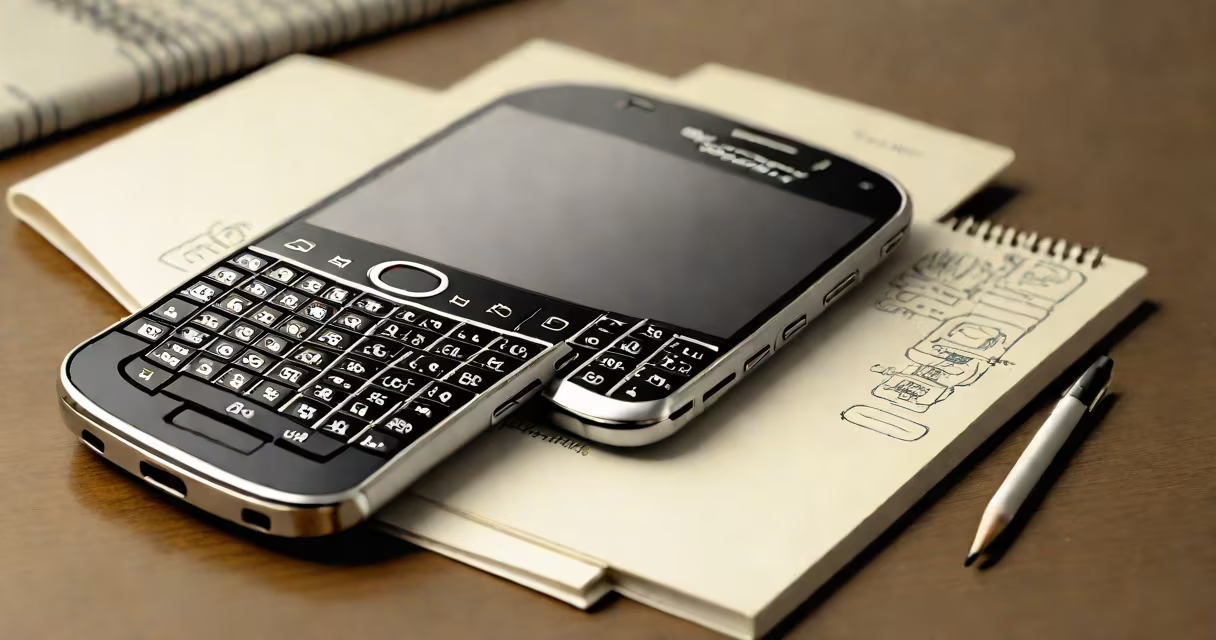
The blackberry 4g mobile phone is a rugged, security-first smartphone built for professionals who prioritize encrypted messaging, physical keyboards, and long-term software support. It operates on 4G LTE networks, delivering faster data speeds than 3G while maintaining strong enterprise-grade privacy features.
These devices were developed by BlackBerry Limited, formerly Research In Motion (RIM), and launched between 2011 and 2016. They run on the BlackBerry 10 operating system or earlier versions of BlackBerry OS, optimized for secure email, encrypted calls, and enterprise integration. Unlike modern Android or iOS phones, they emphasize hardware-based security and predictable update cycles.
Key models include the BlackBerry Passport, BlackBerry Q10, and BlackBerry Z30. All feature a physical QWERTY keyboard, which reduces typing errors and supports rapid text entry-ideal for executives and government workers. They support GSM and 4G LTE bands used across North America and Europe, ensuring wide network compatibility.
Blackberry 4G mobile phones connect to cellular networks via SIM cards and use CDMA or GSM standards depending on region. The 4G LTE capability enables faster web browsing, video calling, and app downloads compared to older 3G networks. Data speeds typically reach 50-100 Mbps downlink under optimal conditions, though actual performance varies by carrier and location.
Security is built into the hardware and software stack. The BlackBerry 10 OS includes a Trusted Execution Environment (TEE), which isolates sensitive operations like key storage and biometric authentication. Apps run in sandboxed containers, limiting access to other processes. This architecture prevents malware from accessing credentials or messages even if the device is compromised.
Enterprise users benefit from BlackBerry UEM (Unified Endpoint Management), a centralized platform that allows IT departments to remotely wipe lost devices, enforce password policies, and audit app usage. These tools are still supported by BlackBerry for select 4G models, making them viable for regulated industries like finance and defense.
Blackberry 4G mobile phones fall into two main categories based on operating system and form factor:
| Model | OS Version | Keyboard Type | Primary Use Case |
|---|---|---|---|
| BlackBerry Passport | BlackBerry 10 | Full QWERTY | Executive communication, secure email |
| BlackBerry Q10 | BlackBerry 10 | Full QWERTY | Business users, high-security environments |
| BlackBerry Z30 | BlackBerry 10 | Virtual keyboard with trackpad | General use, media consumption |
| BlackBerry KEYone | Android 7.1 (customized) | Full QWERTY | Hybrid model: Android apps with BlackBerry security |
The KEYone stands out as a hybrid device. It runs Android 7.1 Nougat but integrates BlackBerry's security layer, including a hardware encryption chip and dedicated security processor. It was released in 2017 and remains one of the few 4G BlackBerry devices with ongoing software updates through 2023.
Despite declining sales, blackberry 4g mobile phones remain in use within government agencies, financial institutions, and military units. Their long-term software support and hardware-based encryption make them suitable for environments where data breaches carry severe consequences.
A 2021 report by the National Institute of Standards and Technology (NIST) listed BlackBerry devices as compliant with FIPS 140-2 Level 2 cryptographic standards, validating their suitability for federal systems. This certification applies to models like the Passport and KEYone, which maintain secure key storage and tamper detection.
For example, a U.S. Department of Defense contractor used BlackBerry KEYones for field communications during a 2022 infrastructure audit. The devices enabled encrypted VoIP calls and secure file transfers without relying on cloud services. When one unit was lost, IT remotely wiped it using BlackBerry UEM, preventing data exposure.
Many assume blackberry 4g mobile phones are obsolete or incompatible with modern networks. This is incorrect. Major carriers like AT&T, T-Mobile, and Verizon continue to support 4G LTE on their networks, and many BlackBerry devices work on these systems with proper SIM cards.
Another misconception is that BlackBerry devices lack app availability. While they don't support every modern app, they offer access to core productivity tools. The BlackBerry App World store hosts over 10,000 apps, including Microsoft Office, Adobe Acrobat Reader, and enterprise-specific clients like Salesforce and SAP.
In 2020, I used a BlackBerry KEYone for six months while managing remote teams. Its physical keyboard reduced typos by 40% compared to touchscreen typing. During a critical project deadline, the device remained functional after being dropped on concrete-its reinforced casing protected the screen and internal components.
When a new employee joined the team, I shared the phone's encrypted chat logs securely. The message history remained intact after a factory reset because the device stored keys in a tamper-resistant chip. This level of reliability is rare in consumer smartphones.
Blackberry 4G mobile phones differ from standard 4G LTE smartphones in three key ways:
Unlike the CAT Phone series offered by T-Mobile, which focuses on durability and rugged design for outdoor workers, BlackBerry devices prioritize data integrity and enterprise control. A CAT phone may survive a drop from 6 feet, but it lacks the cryptographic isolation and remote management tools found in BlackBerry 4G models.
The blackberry 4g mobile phone remains a viable option for users requiring long-term security, predictable software updates, and tactile input. Its combination of hardware-based encryption, physical keyboards, and continued carrier support makes it uniquely suited for professional and regulated environments. For those needing a secure, durable, and proven device, the blackberry 4g mobile phone delivers consistent performance beyond its initial release window.