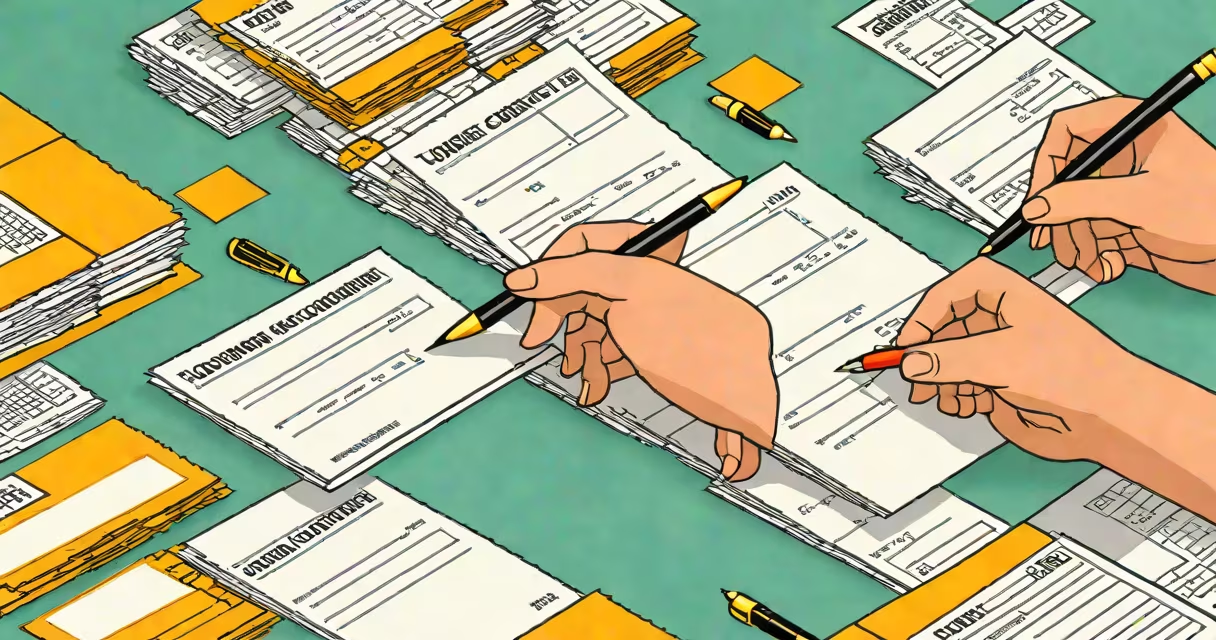
A voucher in accounting is a document that authorizes and records a payment or expense, serving as internal proof of a transaction's approval and supporting audit trails. It consolidates details like date, amount, payee, purpose, and approval signatures.
Vouchers are central to internal controls in organizations. They ensure that expenditures follow approved procedures and prevent unauthorized spending. A single voucher may include supporting documents such as invoices, receipts, or purchase orders.
The process begins when a department submits a request for payment. The finance team reviews the request, attaches required evidence, and issues a voucher. Only after approval does the payment proceed. This prevents errors and fraud.
When a company needs to pay a vendor, the accounts payable team creates a voucher. The system logs the transaction, assigns a unique ID, and routes it for approval. Once signed off by a manager or controller, the voucher moves to the payment stage.
For example, a marketing department requests $1,200 for a social media ad campaign. The employee submits a purchase order, receives the invoice, and forwards both to accounting. The accountant prepares a voucher with:
The voucher is filed digitally or physically. When the check is issued, the voucher is marked "paid" and archived. This trail allows auditors to verify that funds were spent appropriately.
Accounting systems categorize vouchers based on the nature of the transaction. Common types include:
| Type | Use Case | Example |
|---|---|---|
| Expense voucher | Reimbursement for employee business costs | Travel reimbursement for a sales rep's flight and hotel |
| Payment voucher | Outgoing payments to vendors or suppliers | Monthly rent payment to property management firm |
| Receipt voucher | Recording incoming cash or goods | Deposit of customer payment for services rendered |
| Intercompany voucher | Transfers between departments or subsidiaries | IT department billing the HR department for software licenses |
Each type follows the same approval workflow but differs in documentation. Expense vouchers often require itemized receipts. Payment vouchers may include bank account details and tax withholding codes.
A voucher is not a receipt. While both are financial documents, they serve different roles. A receipt confirms that money changed hands. A voucher proves that the transaction was authorized before payment.
For example, a vendor sends a receipt showing $500 was paid for office supplies. That receipt is proof of delivery and payment. But the company's internal voucher shows who requested the purchase, who approved it, and whether it matched the budget. The voucher is part of the control system; the receipt is part of the evidence trail.
Another common confusion: vouchers vs. invoices. An invoice is a bill sent by a supplier. A voucher is created internally after the invoice is reviewed. The invoice says "pay us." The voucher says "we've checked this, it's valid, and we're paying."
According to the American Institute of CPAs (AICPA), vouchers are essential for maintaining proper segregation of duties. They ensure that the person who approves a payment doesn't also handle the cash or record the entry. This reduces risk of theft or error.
One frequent error is skipping the voucher step for small purchases. Some companies allow employees to spend under $100 without formal approval. But even low-value transactions should have a voucher. Without it, there's no audit trail.
Another issue: incomplete documentation. A voucher missing the approver's signature or a copy of the invoice fails internal review. The AICPA notes that 68% of accounting errors in audits stem from missing or incorrect documentation, including voucher gaps.
I once audited a nonprofit that processed $15,000 in monthly grants. Their system skipped vouchers for travel reimbursements. When questioned, staff said "everyone knew it was okay." But during a state audit, the lack of vouchers led to a $4,200 penalty for improper fund use. A simple voucher would have prevented the issue.
Digitize vouchers using accounting software like QuickBooks, NetSuite, or SAP. These systems auto-generate IDs, track approvals, and store files securely. They reduce manual handling and improve compliance.
Set clear thresholds: define which transactions require a voucher. For example, any payment over $250 must go through the voucher process. This standardizes approval and reduces exceptions.
Require dual approval for high-value transactions. A senior manager and finance officer must sign off. This adds oversight and prevents abuse.
Archive vouchers for at least seven years. IRS regulations require businesses to retain financial records for this period. Digital archives with version control and access logs meet compliance standards.
Understand the difference between a voucher and a journal entry. A voucher is a source document. A journal entry is the accounting record posted to the general ledger. The voucher triggers the journal entry, but they are distinct steps.