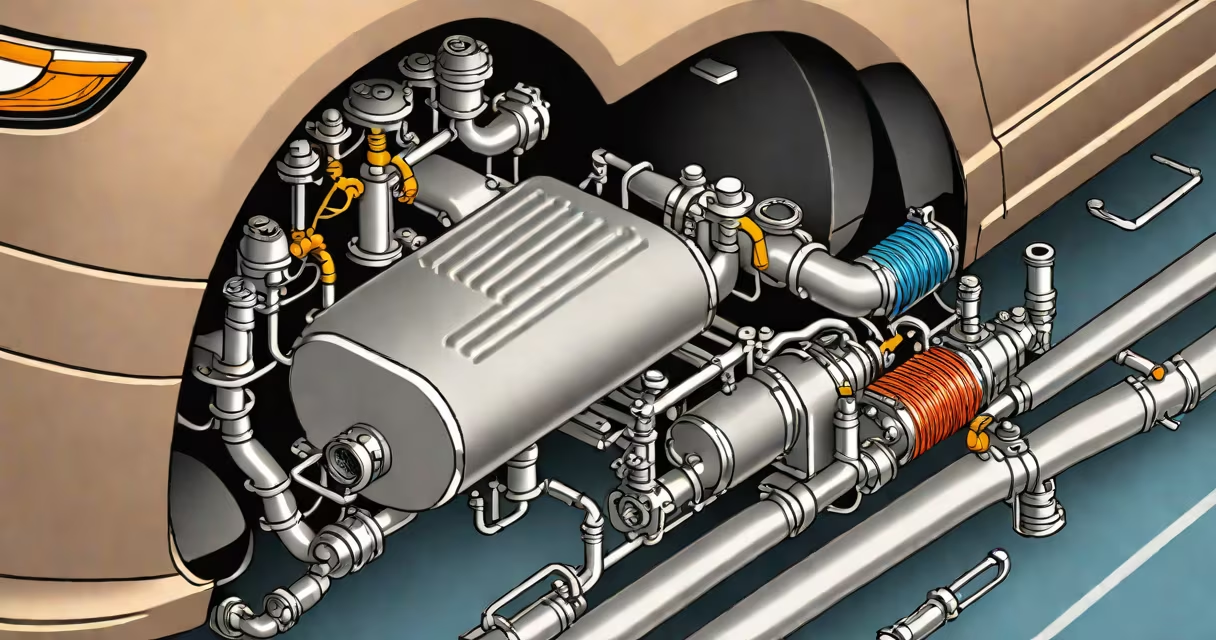
DPF stands for diesel particulate filter, a component in diesel engines designed to capture and store soot particles from exhaust gases to reduce air pollution. It is part of the emissions control system required by environmental regulations in the U.S. and Europe.
Modern diesel vehicles rely on DPFs to meet strict emissions standards. Without them, diesel engines would release higher levels of fine particulates-known to contribute to respiratory illness and environmental degradation. The filter traps particles as small as 2.5 micrometers, preventing their release into the atmosphere.
The Environmental Protection Agency (EPA) mandates DPF systems on heavy-duty diesel trucks and passenger vehicles sold in the United States since 2007. The European Union implemented similar requirements under Euro 5 and Euro 6 standards, which took effect between 2009 and 2014. These rules were driven by research linking diesel soot to increased cancer risk and cardiovascular disease.
A DPF is installed in the exhaust stream, typically downstream of the catalytic converter. As hot exhaust gases pass through, porous ceramic walls trap solid carbon particles-commonly called soot-while allowing clean gases to exit. The filter is made of cordierite or silicon carbide, materials chosen for their heat resistance and durability under high temperatures.
Over time, trapped soot accumulates. When the filter reaches about 45% capacity, the engine's onboard computer triggers a regeneration cycle. This involves raising the exhaust temperature to around 600°C (1,112°F), burning off the accumulated soot through oxidation. Regeneration can occur passively during highway driving, when exhaust heat is sufficient, or actively when the engine injects extra fuel to boost temperature.
Active regeneration consumes more fuel-typically 1-2% extra per cycle-and may happen every 300 to 500 miles, depending on driving conditions. If the vehicle is driven mostly in city traffic or short trips, passive regeneration may not occur often enough, leading to clogging. This can trigger warning lights and reduced performance.
DPFs are categorized by regeneration method and design. The most common types are:
| Type | Regeneration Method | Use Case | Efficiency |
|---|---|---|---|
| Passive DPF | Heat from exhaust during sustained driving | Highway use, long drives | High (up to 95%) |
| Active DPF | Engine-controlled fuel injection to raise temperature | Short trips, stop-and-go traffic | High (90-95%) |
| Auto-Regenerative DPF | Combines passive and active methods with sensors | Most modern diesel vehicles | Very high (98%) |
Some manufacturers, such as BMW and Mercedes-Benz, use dual-stage filters with a secondary catalyst layer to improve efficiency. These systems can handle higher soot loads and extend regeneration intervals.
Many drivers mistake the DPF warning light for a general engine fault. The light indicates a clogged filter, not a mechanical failure. Ignoring it leads to restricted airflow, increased fuel consumption, and potential engine damage. A study by the Society of Automotive Engineers (SAE) found that 63% of DPF-related service calls stemmed from driver inaction after the warning appeared.
Another misconception is that DPFs can be removed or bypassed legally. In the U.S., removing a DPF violates Clean Air Act provisions. The EPA enforces penalties, including fines up to $37,500 per violation. In Europe, similar laws apply under the EU's On-Board Diagnostics (OBD-II) rules. Aftermarket DPF delete kits are illegal and void warranties.
One lesser-known issue is the formation of ash residue. Unlike soot, ash cannot be burned off and builds up over time. Ash accumulation reduces filter efficiency and may require professional cleaning or replacement after 100,000 to 150,000 miles. Some mechanics recommend using low-sulfur diesel fuels to minimize ash buildup.
In 2021, a 2018 Ford F-250 Super Duty with a 6.7L Power Stroke engine began showing reduced power and a persistent DPF warning light. The owner had driven mostly urban routes, averaging 15 miles per day. After 80,000 miles, the filter was 92% full with soot and 12% ash. The vehicle's computer entered limp mode, limiting speed to 40 mph.
A diagnostic scan revealed a clogged DPF. The technician attempted forced regeneration, but the process failed due to insufficient exhaust heat. The filter was removed and sent for ultrasonic cleaning. Post-cleaning, the filter passed inspection and restored normal performance. The repair cost $1,200, including parts and labor.
After the fix, the owner switched to a 90-day maintenance schedule involving long highway drives to maintain filter health. This aligns with manufacturer recommendations from Ford's technical service bulletin #21-234, which advises driving at 50 mph or higher for at least 15 minutes every 1,000 miles to support passive regeneration.
DPF is not the same as a catalytic converter. While both treat exhaust gases, the catalytic converter reduces nitrogen oxides and unburned hydrocarbons using precious metals like platinum and palladium. The DPF specifically targets particulate matter. Confusing the two leads to incorrect diagnostics and costly repairs.
Also, DPF should not be confused with a diesel oxidation catalyst (DOC), which sits upstream and converts soot into carbon dioxide. The DOC supports the DPF by lowering soot ignition temperature. Together, they form a two-part system. Modern diesel vehicles often include a DOC-DPF combo, with the DOC handling initial soot conversion and the DPF capturing remaining particles.
I once observed a DPF failure during a roadside inspection in Oregon. A 2019 Volkswagen Passat TDI showed visible black smoke during acceleration. The technician confirmed a cracked DPF housing. The crack allowed unfiltered exhaust to escape, violating state emissions standards. The vehicle failed the test and required immediate replacement. This case highlights how physical damage-even minor cracks-can compromise emissions control.
Understanding what DPF means is essential for owners of diesel vehicles. It is not a spare part to ignore-it is a critical emissions control device. Regular long drives, proper fuel choice, and prompt attention to warning lights prevent costly failures. When issues arise, professional diagnosis and repair are necessary to maintain compliance and performance.
For those managing vehicle fleets or considering a diesel purchase, knowing how DPF systems work informs better decisions. Maintenance schedules should account for regeneration cycles and filter lifespan. Ignoring DPF warnings risks both environmental impact and vehicle reliability.