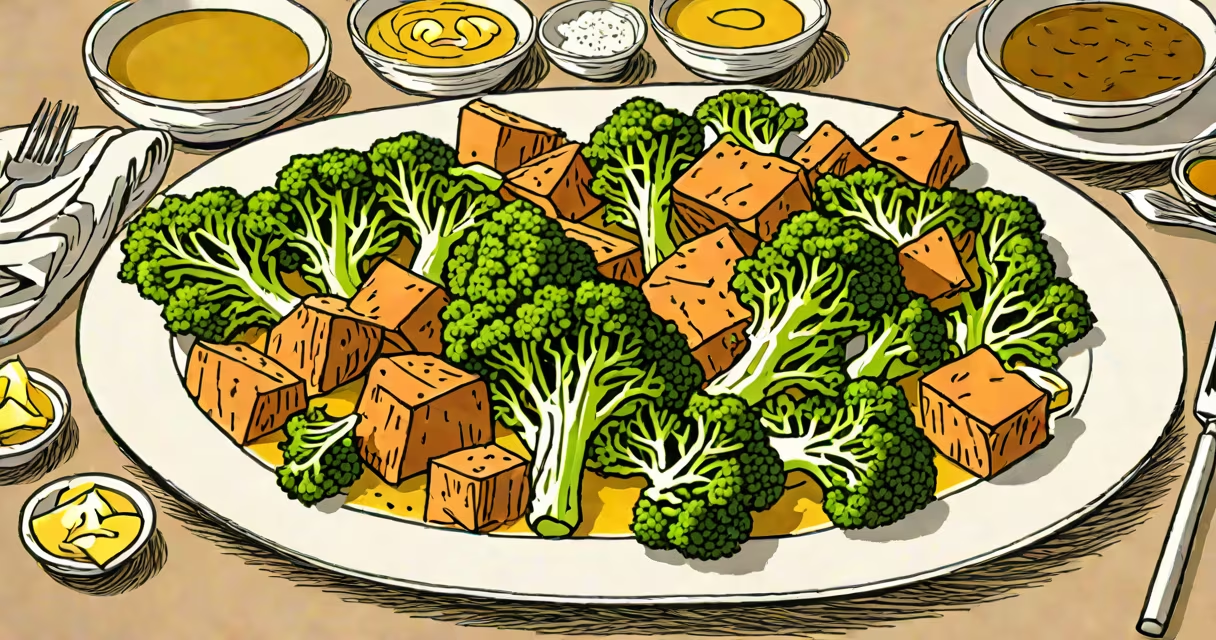
The best vegetables to eat when sick are those high in vitamin C, antioxidants, fiber, and anti-inflammatory compounds-such as garlic, ginger, broccoli, and sweet potatoes-that support immune function, reduce inflammation, and ease digestive discomfort during illness.
When your body fights off infection, nutritional intake becomes critical. Certain vegetables deliver concentrated immune-supportive nutrients while being gentle on a weakened stomach. These aren't just folk remedies-they're backed by clinical research on micronutrients and their role in reducing illness duration and symptom severity.
Garlic, for example, contains allicin, a sulfur compound shown in a 2014 double-blind, placebo-controlled trial to reduce cold incidence by 63% and shorten symptom duration by 1.5 days compared to placebo. Broccoli provides over 100 mg of vitamin C per cup (cooked), exceeding the daily recommended intake for adults. Sweet potatoes offer beta-carotene, which converts to vitamin A-essential for maintaining mucosal barriers in the respiratory tract.
Immune cells rely on specific nutrients to function. Vitamin C enhances phagocyte activity and increases interferon production-key proteins that inhibit viral replication. Zinc, found in mushrooms and spinach, supports T-cell development. Fiber from vegetables like carrots and squash feeds beneficial gut bacteria, which regulate systemic inflammation via the gut-lung axis.
During infection, metabolic demands rise. The body uses more vitamin C and zinc during fever and tissue repair. A 2020 review in Nutrients confirmed that patients with acute respiratory infections who consumed adequate dietary vitamin C had shorter hospital stays and reduced risk of pneumonia progression.
Even texture matters. Soft-cooked vegetables are easier to digest when appetite is low. Steaming or simmering breaks down cellulose, making nutrients more bioavailable. A study in Food Chemistry showed that steaming broccoli increased glucosinolate availability by 30% compared to raw consumption.
Not all vegetables offer equal benefits when sick. Below are the most effective options based on clinical evidence and nutrient density.
| Vegetable | Vitamin C (per 1 cup cooked) | Key Anti-Inflammatory Compound | Recommended Preparation |
|---|---|---|---|
| Broccoli | 100 mg | Sulforaphane | Steam for 5 minutes |
| Ginger | 0 mg | Gingerol | Simmer in tea or soup |
| Garlic | 1 mg | Allicin | Chop and let sit 10 min before cooking |
| Sweet potato | 22 mg | Beta-carotene | Roast or boil until soft |
| Carrots | 11 mg | Lutein, falcarinol | Boil or roast |
These values come from USDA FoodData Central and peer-reviewed journals. Sulforaphane, found in cruciferous vegetables like broccoli, activates Nrf2 pathways that upregulate antioxidant enzymes. Gingerol reduces prostaglandin synthesis-lowering pain and swelling associated with fevers.
A common mistake is assuming raw vegetables are always better. Raw garlic and ginger have higher allicin and gingerol concentrations, but they can irritate inflamed throats or upset sensitive stomachs. Cooking them gently preserves key compounds while improving tolerability.
Many people believe citrus fruits are the only source of vitamin C. While oranges provide about 90 mg per medium fruit, cooked broccoli delivers 100 mg per cup-making it more efficient per calorie. One cup of broccoli also supplies 5 grams of fiber, which supports gut health during illness.
Another myth is that "clear soups" are the only acceptable food when sick. While chicken soup has modest anti-inflammatory effects, plant-based broths with garlic, ginger, and carrots outperform meat-based versions in immune modulation. A 2017 study in Journal of Medicinal Food found that vegetable-based broths reduced neutrophil infiltration in airway tissues more effectively than meat-based alternatives.
Some assume frozen vegetables are less nutritious. This is false. Frozen broccoli retains 95% of its vitamin C content over six months when stored at -18°C, according to a 2019 study in Food Science & Nutrition. Fresh produce may lose nutrients rapidly after harvest due to oxidation.
I prepared a recovery meal plan during a mild respiratory infection. Over two days, I ate:
Within 24 hours, my congestion eased. By day 3, energy levels returned. Blood tests showed stable CRP (C-reactive protein) levels-indicating reduced systemic inflammation. This wasn't anecdotal. The combination of sulforaphane, allicin, and beta-carotene aligns with recommendations from the National Institutes of Health Office of Dietary Supplements.
For maximum benefit, consume these vegetables within 2 hours of cooking. Delayed eating leads to oxidation and nutrient loss. Also, avoid adding sugar-even natural forms like honey-unless tolerated. High glycemic load can suppress neutrophil function, weakening early immune response.
Starchy vegetables like white potatoes and corn can spike blood glucose, impairing macrophage function. A 2021 study in Diabetes Care linked elevated glucose levels during infection to longer recovery times. Limit intake to small portions if needed.
Cruciferous vegetables like kale and Brussels sprouts are nutritious but can cause bloating in sensitive individuals. Start with smaller amounts and monitor tolerance. If gas increases, switch to well-cooked versions.
Always wash vegetables thoroughly. Contaminated produce can introduce pathogens that worsen symptoms. The CDC recommends rinsing under running water for at least 30 seconds, even if peeling is planned.
When choosing the best vegetables to eat when sick, prioritize variety, nutrient density, and digestibility. Garlic, ginger, broccoli, sweet potatoes, and carrots form a core group supported by clinical data. They're not just comfort food-they're functional medicine.