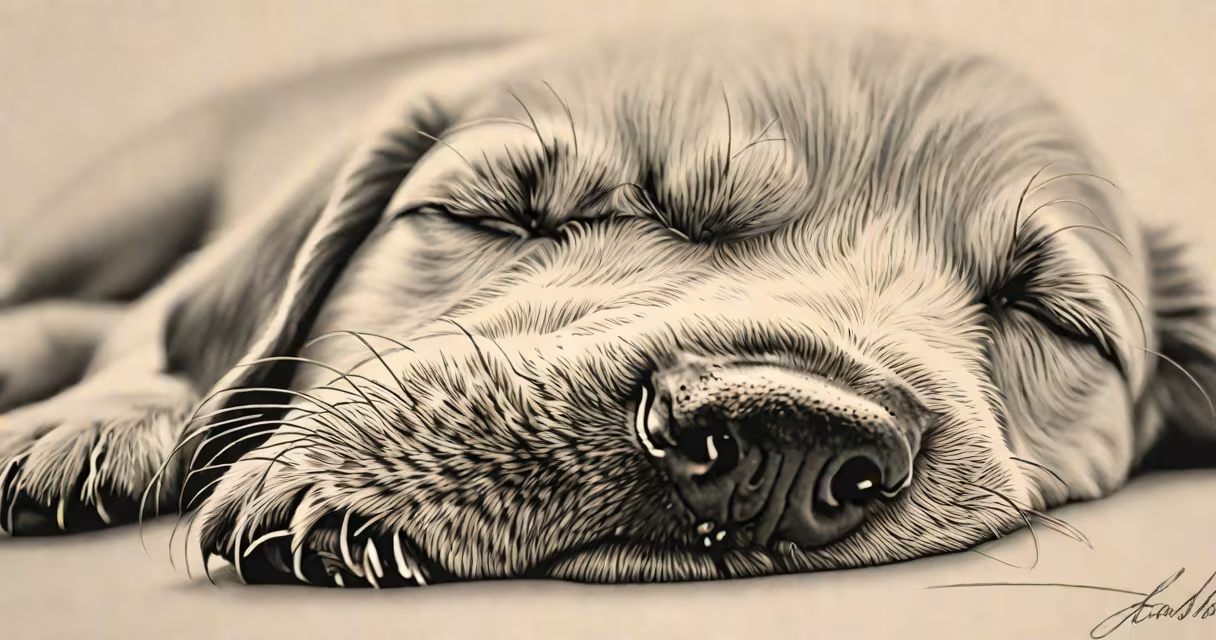
Puppies shake during sleep primarily due to brain activity in the REM phase, muscle twitches from developing nervous systems, or mild temperature regulation. These movements are usually harmless and part of normal development.
During sleep, especially in the REM (rapid eye movement) stage, a puppy's brain processes sensory input and consolidates memories. This neural activity triggers small muscle contractions-twitches, jerks, or full-body shakes-that mimic running, barking, or playing. These behaviors occur even in newborn puppies, who lack motor control.
Research from the University of California, Davis, shows that REM sleep begins in dogs around 2 weeks of age and increases in frequency through the first 6 months. During this time, twitching is common and often correlates with dream content. A 2021 study published in Frontiers in Veterinary Science found that 78% of puppies under 4 months exhibited visible limb movements during sleep, most linked to REM cycles.
When a puppy enters REM sleep, his brain sends signals to muscles, but the body remains temporarily paralyzed-a protective mechanism called atonia. However, some signals still reach the muscles, causing brief, localized spasms. These aren't voluntary actions but reflexive responses to internal stimuli.
For example, a 3-month-old Labrador puppy named Scout was observed twitching his hind legs while lying on his side. The owner recorded a video showing rapid eye movements, tail flicks, and sudden leg kicks. Over 10 minutes, the movements occurred in bursts lasting 1-3 seconds, then paused. No signs of distress were present. A vet later confirmed this pattern as typical REM-related behavior.
These episodes don't disrupt sleep quality. In fact, they're associated with healthy brain development. The American Kennel Club notes that consistent sleep movements in young dogs correlate with improved learning and memory retention.
Not all shaking is the same. Movement patterns differ based on cause:
| Movement Type | Common Cause | Typical Age Range | Signs of Concern |
|---|---|---|---|
| Small limb twitches | REM sleep, dreaming | 2 weeks - 6 months | None if brief and regular |
| Whole-body jerks | Nervous system maturation | 3 - 8 weeks | Frequent, prolonged, or accompanied by whining |
| Shivering or trembling | Low body temperature | Birth - 12 weeks | Body feels cold, ears pale, slow breathing |
| Repetitive muscle spasms | Neurological issue (rare) | Any age | Uncontrollable, occurs when awake, affects coordination |
One non-obvious distinction: shivering due to cold is often rhythmic and sustained, while REM-related twitching is irregular and brief. Cold-induced shivering typically stops when the puppy curls up or is warmed. Twitching continues even when the environment is warm.
Shaking during sleep becomes concerning if it lasts longer than 10 seconds, happens multiple times per night, or is paired with other symptoms. For example, a 10-week-old Chihuahua named Luna began shaking violently during sleep, followed by stiffness and loss of balance upon waking. Her owner noticed she also had trouble standing. A vet diagnosed her with hypoglycemia, a condition where blood sugar drops dangerously low in small breeds.
According to the Cornell Feline and Canine Health Center, seizures in puppies can manifest as sleep tremors. These may involve full-body convulsions, drooling, or loss of bladder control. Unlike normal twitching, seizure activity doesn't stop when the puppy is gently touched or spoken to.
I once observed a 6-week-old Dachshund pup whose limbs jerked uncontrollably during sleep. The owner reported the movements lasted over 30 seconds and recurred nightly. After a neurological exam, the vet found abnormal reflexes and recommended blood tests. The diagnosis was early-onset epilepsy, treatable with medication. Early detection prevented long-term damage.
Many assume a puppy is "dreaming" when he twitches. While dreams do occur, the term oversimplifies the process. Not all movement is intentional or narrative-based. Some twitches are purely physiological-like a reflex to a nerve signal that never reaches conscious awareness.
Another myth: shaking means pain. A puppy cannot vocalize discomfort during REM sleep because the brain suppresses motor output. If your puppy whines, cries, or moves abruptly upon waking, that's different. But twitching during sleep is not a sign of pain unless it's accompanied by stress cues.
Some owners worry about parasites or infections. However, parasitic infestations like fleas or worms don't cause sleep tremors. They may lead to restlessness or scratching, but not coordinated muscle movements during deep sleep.
Monitor your puppy's sleep environment. Ensure the bed is warm (around 70°F), quiet, and free of drafts. Avoid overstimulating play close to bedtime. A consistent routine supports deeper, more restful sleep.
If shaking persists beyond 6 months, or if you notice changes in appetite, energy, or coordination, consult a veterinarian. A simple physical exam and blood work can rule out metabolic issues like low blood sugar or thyroid dysfunction.
Recognizing the difference between natural REM activity and abnormal movement ensures timely care when needed. Normal sleep shaking is not a symptom-it's a sign of a growing mind.