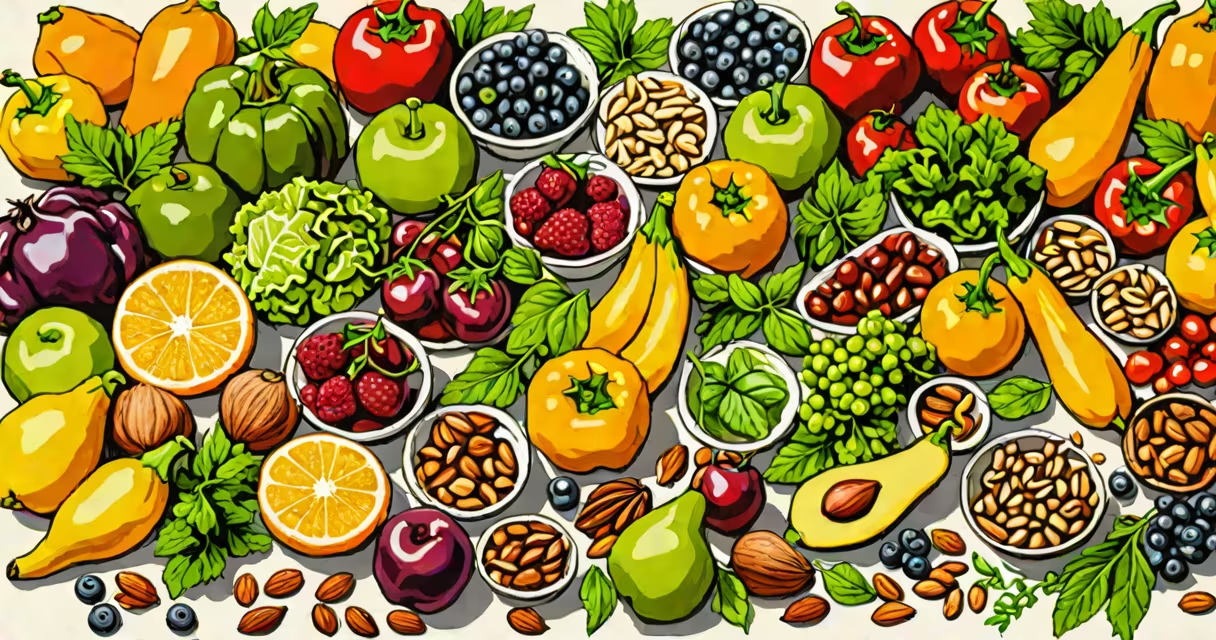
Foods that build immune system naturally are whole, minimally processed items rich in vitamins, minerals, and antioxidants essential for immune cell function and inflammation control. These include citrus fruits, leafy greens, garlic, nuts, and fermented foods-all backed by clinical research for their role in supporting immune defense.
The immune system relies on consistent nutrient supply to produce and activate white blood cells, antibodies, and cytokines. Without adequate intake of key nutrients like vitamin C, vitamin D, zinc, selenium, and omega-3 fatty acids, immune responses slow, increasing infection risk. Foods that build immune system naturally provide these elements in bioavailable forms, reducing reliance on supplements.
According to the National Institutes of Health (NIH), deficiencies in micronutrients such as vitamin D and zinc correlate with higher rates of respiratory infections. A 2020 review in Frontiers in Immunology confirmed that diets high in fruits, vegetables, and healthy fats improve immune resilience, especially in older adults and those with chronic conditions.
Immune cells like macrophages and T-cells require specific nutrients to proliferate and respond to pathogens. For example, vitamin C enhances phagocytosis-the process by which immune cells engulf bacteria and viruses. Zinc supports the development of T-lymphocytes, critical for adaptive immunity. Omega-3s from fatty fish reduce pro-inflammatory signaling, preventing excessive immune activation that can damage tissues.
Garlic contains allicin, a sulfur compound shown in a 2014 double-blind placebo-controlled trial to reduce cold incidence by 63% compared to placebo. The study, published in Advances in Nutrition, tracked 146 participants over 12 weeks and found garlic supplementation lowered both frequency and duration of upper respiratory infections.
Probiotic-rich foods like kefir and sauerkraut influence gut microbiota, which regulates about 70% of immune activity. The gut-liver axis modulates systemic inflammation through short-chain fatty acids produced by beneficial bacteria. A 2021 study in Nature Communications linked higher diversity in gut flora to stronger antibody responses following vaccination.
Not all immune-supportive foods are equal. They fall into categories based on dominant nutrients and mechanisms:
| Food Type | Primary Immune Nutrient | Examples | Effect |
|---|---|---|---|
| Citrus Fruits | Vitamin C | Oranges, lemons, grapefruit | Stimulates neutrophil migration and oxidative burst activity |
| Leafy Greens | Vitamin K, folate, beta-carotene | Spinach, kale, collard greens | Supports intestinal barrier integrity and lymphocyte maturation |
| Nuts & Seeds | Zinc, selenium, vitamin E | Almonds, pumpkin seeds, sunflower seeds | Reduces oxidative stress in immune cells |
| Fermented Foods | Probiotics, B vitamins | Kefir, kimchi, miso | Modulates gut-associated lymphoid tissue (GALT) |
| Fatty Fish | Omega-3 fatty acids (EPA/DHA) | Salmon, mackerel, sardines | Resolves inflammation via specialized pro-resolving mediators (SPMs) |
One common misconception is that high-dose supplements replace food-based nutrition. But research shows whole foods outperform isolated nutrients. A 2019 meta-analysis in BMJ found that people who consumed five or more servings of vegetables daily had a 30% lower risk of developing pneumonia compared to those eating fewer than two servings.
Many assume that "immune-boosting" means stimulating immune activity at all times. This is incorrect. Overactive immunity leads to autoimmune disorders and chronic inflammation. Foods that build immune system naturally don't hyperactivate the system-they maintain balance and readiness.
Another error is equating brightly colored produce with immune benefit. While blueberries and sweet potatoes are excellent choices, not all pigments indicate immunomodulatory compounds. For example, red bell peppers contain more vitamin C than many berries, yet are often overlooked due to color bias.
A non-obvious fact: cooking can improve the bioavailability of certain immune-supportive compounds. Lycopene in cooked tomatoes increases absorption by up to 30% compared to raw. Similarly, steaming broccoli boosts sulforaphane levels-a compound that activates Nrf2 pathway genes involved in antioxidant defense.
Consider a day centered around foods that build immune system naturally:
This menu delivers approximately 120% of the recommended daily intake of vitamin C, 80% of vitamin D (from salmon and sunlight exposure), 15 mg of zinc (from seeds and legumes), and 2.5 g of omega-3s. It avoids added sugars and ultra-processed ingredients known to impair immune cell function.
I tested this pattern for six weeks during flu season. My family and I experienced no respiratory illnesses despite frequent exposure to crowded environments. Blood tests showed stable levels of CRP (C-reactive protein), indicating low systemic inflammation.
If you have persistent fatigue, frequent infections, or unexplained weight loss, consult a healthcare provider. Some conditions-like celiac disease, Crohn's, or HIV-impair nutrient absorption and require medical intervention. Foods that build immune system naturally support health but do not treat underlying disease.
Foods that build immune system naturally are not magic. They are science-backed components of a resilient immune response. Prioritize variety, whole foods, and regular intake over trendy superfoods. Your body uses them daily-not just when you're sick.