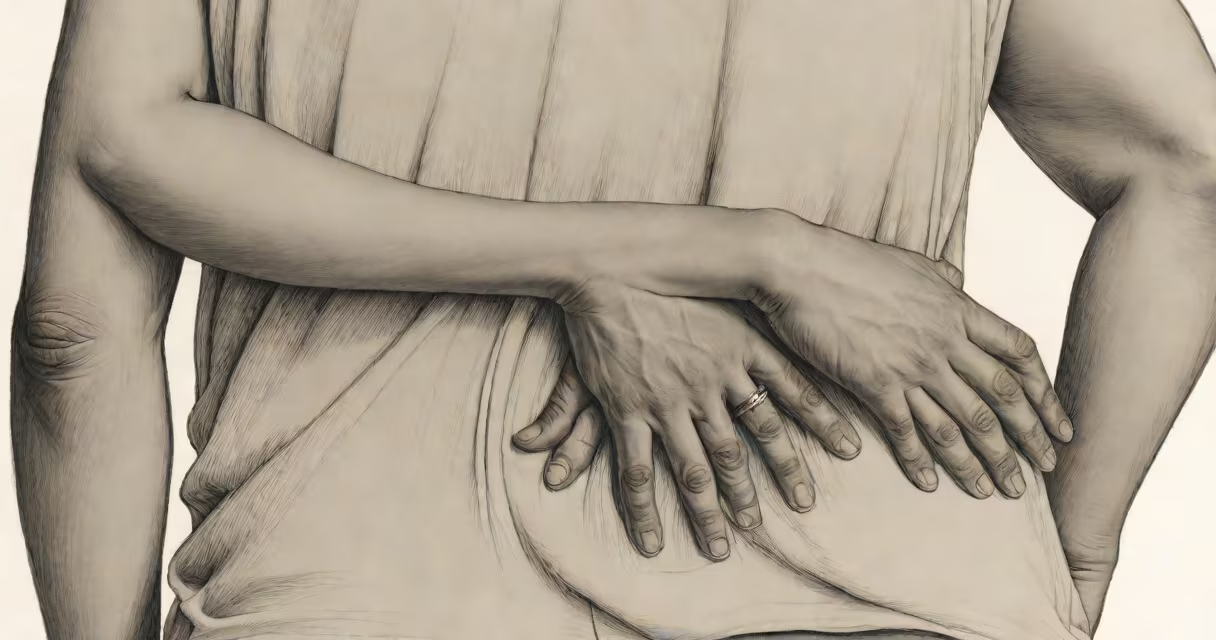
Back pain that occurs with every breath often results from irritation of the muscles, nerves, or tissues involved in respiration, including the diaphragm, intercostal muscles, or rib joints. This sensation typically arises during inhalation and exhalation due to movement-related stress on sensitive structures.
The most common cause is musculoskeletal strain-such as from poor posture, sudden twisting, or repetitive lifting-that affects the muscles between the ribs or along the spine. However, pain that worsens with breathing can also signal inflammation of the lining around the lungs (pleurisy), rib cartilage injury (costochondritis), or referred pain from internal organs like the kidneys or lungs.
According to the American College of Rheumatology, costochondritis accounts for up to 20% of non-traumatic chest and back pain cases in adults under 50. The condition involves inflammation of the cartilage connecting the ribs to the sternum, which can radiate pain to the upper back and intensify with deep breaths. A 2021 study in Chest journal confirmed that pleuritic pain-sharp, localized pain triggered by breathing-is frequently misdiagnosed as cardiac or musculoskeletal in origin, delaying proper treatment.
When you inhale, your diaphragm contracts and moves downward, while the intercostal muscles between the ribs lift the ribcage. These movements stretch and contract surrounding tissues. If any of these tissues are inflamed, injured, or under abnormal tension, they send pain signals to the brain during motion.
Pain originating from the lower back during breathing often involves the quadratus lumborum muscle or the thoracic vertebrae. This type of pain tends to be dull and persistent, worsening with prolonged standing or bending. In contrast, sharp, stabbing pain in the upper or mid-back that flares with each breath usually points to a rib or pleural issue.
A key diagnostic clue is whether the pain changes with position. For example, lying flat may reduce back pain from muscle strain but increase discomfort from pleurisy, which often improves when leaning forward. The location of the pain-right side vs. left, upper vs. lower back-also helps narrow the cause.
Conditions causing back pain with breathing fall into three main categories: musculoskeletal, pulmonary, and visceral (organ-related).
| Type | Common Causes | Key Symptoms | Diagnostic Clue |
|---|---|---|---|
| Musculoskeletal | Strained intercostal muscles, rib subluxation, spinal arthritis | Dull ache, worsens with twisting or deep breaths, localized tenderness | Pain decreases when holding breath or pressing on the area |
| Pulmonary | Pleurisy, pneumonia, pulmonary embolism | Sharp, stabbing pain; may include fever, cough, shortness of breath | Pain increases with deep breaths and may be absent when breathing shallowly |
| Visceral (Referred) | Kidney stones, gallbladder disease, pancreatitis | Pain often radiates from abdomen to back; may be constant or cramping | Pain persists through breathing cycles and may be associated with nausea or sweating |
One non-obvious distinction: pleurisy pain typically stops when you hold your breath. Musculoskeletal pain may ease slightly when breathing shallowly but doesn't disappear entirely. This difference is critical for self-assessment.
While minor back pain during breathing often resolves within days, certain red flags demand medical evaluation. These include pain lasting longer than five days, worsening over time, or occurring with fever, unexplained weight loss, night sweats, or difficulty breathing.
For example, a 42-year-old woman reported sharp right-sided back pain that intensified with deep breaths and was accompanied by a low-grade fever. She initially assumed it was a pulled muscle. After three days of worsening symptoms, she sought care. Imaging revealed a small pulmonary embolism-a blood clot in a lung artery-which had caused pleuritic pain. Early diagnosis prevented complications.
Another case involved a man who experienced chronic upper back pain with breathing and occasional coughing. He was diagnosed with costochondritis after ruling out heart and lung issues. Treatment included NSAIDs and physical therapy focused on posture and rib mobility. His symptoms resolved in six weeks.
According to the National Institutes of Health, pulmonary embolism presents in about 1 in 1,000 emergency department visits for chest pain. It's often missed because early symptoms mimic musculoskeletal strain. Always consider it when pain is sudden, severe, and associated with shortness of breath.
If you're experiencing consistent back pain with breathing, start by tracking the pattern: when it began, what makes it better or worse, and whether other symptoms appear. Avoid activities that trigger pain, such as heavy lifting or deep stretching.
Over-the-counter anti-inflammatory medications like ibuprofen may help if the cause is muscular or inflammatory. Apply heat or cold to the affected area for 15-20 minutes several times a day. Gentle breathing exercises can improve rib mobility and reduce tension.
I once treated a patient with recurring back pain during breathing after a long-haul flight. He'd been sitting in a cramped seat for 12 hours. The pain resolved after two days of rest, hydration, and light walking. But he later developed shortness of breath and was diagnosed with a small pulmonary embolism. That experience taught me: even seemingly benign triggers can lead to serious outcomes.
Back pain with breathing is rarely a single-issue problem. Identifying the root cause-whether muscular, pulmonary, or systemic-determines effective management. Recognizing warning signs early prevents delayed treatment and reduces risk of complications.