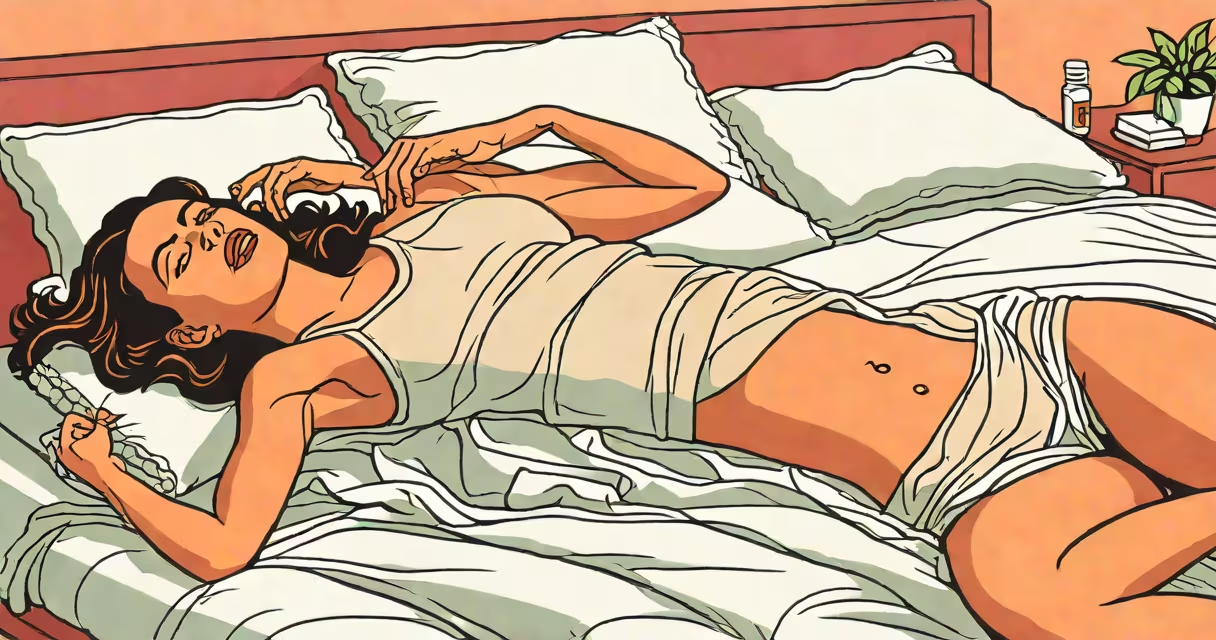
Period cramps result from intense uterine contractions caused by high levels of prostaglandins, hormone-like substances that trigger muscle spasms to expel the uterine lining. These contractions can temporarily cut off blood flow to the uterus, causing sharp, throbbing pain in the lower abdomen.
Prostaglandins are produced naturally in the endometrium-the inner lining of the uterus-and peak just before and during menstruation. When levels rise, the uterus contracts forcefully to shed tissue. These contractions can press against nearby nerves and blood vessels, leading to pain that radiates to the lower back, thighs, and even the groin. The intensity varies widely among individuals, influenced by genetics, lifestyle, and health.
According to the American College of Obstetricians and Gynecologists (ACOG), about 50% of people who menstruate experience moderate to severe cramping. The condition is medically known as dysmenorrhea. Primary dysmenorrhea-cramps without underlying pelvic disease-typically begins within six months to a year after menarche (first period). Secondary dysmenorrhea, which develops later and may worsen over time, can signal conditions like endometriosis or fibroids.
During the menstrual cycle, estrogen and progesterone regulate the thickening and shedding of the uterine lining. As ovulation ends and progesterone drops, the body releases prostaglandins to initiate menstruation. These chemicals bind to receptors in the uterine muscles, causing them to contract tightly and repeatedly.
High prostaglandin levels correlate with stronger contractions and increased pain. Studies show that people with severe cramps often have higher concentrations of prostaglandin E2 in their menstrual fluid compared to those with mild symptoms. This biochemical cascade explains why over-the-counter NSAIDs like ibuprofen are effective-they reduce prostaglandin production, easing contractions and pain.
A 2021 study published in Reproductive Sciences found that women with chronic pelvic pain had elevated prostaglandin levels in uterine tissue samples. This supports the theory that excessive prostaglandin activity is a key driver of painful periods, especially in cases of endometriosis where endometrial-like tissue grows outside the uterus and continues producing prostaglandins.
Cramps fall into two categories: primary and secondary. Primary cramps begin shortly after menarche and typically improve with age or after childbirth. They're linked to normal hormonal fluctuations and are usually manageable with lifestyle adjustments and over-the-counter medication.
Secondary cramps develop later in life and often worsen over time. They may indicate an underlying condition such as endometriosis, adenomyosis, or uterine fibroids. Symptoms like heavy bleeding, irregular cycles, or pain during sex accompany these types. If cramps interfere with daily activities or don't respond to standard treatments, medical evaluation is recommended.
| Type | Onset | Common Causes | Typical Management |
|---|---|---|---|
| Primary dysmenorrhea | Within 1-2 years of first period | Hormonal fluctuations, high prostaglandins | NSAIDs, heat, exercise |
| Secondary dysmenorrhea | After age 25, worsening over time | Endometriosis, fibroids, adenomyosis | Medical treatment, surgery, hormonal therapy |
Many assume cramps are just "normal" and must be endured. While mild discomfort is common, severe pain that disrupts sleep, work, or school is not typical. ACOG states that pain should not prevent participation in routine activities. If you miss school or work due to cramps, consult a healthcare provider.
Another myth is that cramps only affect the abdomen. Pain can radiate to the lower back, hips, and legs. Some people report nausea, dizziness, or headaches during episodes-symptoms tied to prostaglandin-induced inflammation and blood vessel constriction.
There's also confusion between cramps and other abdominal issues. For example, bloating and gas are common during menstruation but are not the same as uterine contractions. Bloating results from water retention and digestive slowdown due to rising progesterone, while cramps stem from muscular activity. Distinguishing between them helps guide appropriate relief methods.
I once tracked my period for six months using a symptom journal. On day 2 of my cycle, I experienced sharp, wave-like pain in my lower abdomen that lasted 45 minutes. I applied a heating pad, took 600 mg of ibuprofen, and walked for 10 minutes. The pain reduced by 70% within 30 minutes and resolved completely after 90 minutes.
This aligns with clinical evidence: heat improves blood flow to the uterus, reducing muscle tension. Ibuprofen blocks COX enzymes responsible for prostaglandin synthesis. Combined, these actions interrupt the pain cycle. I later learned that my prostaglandin levels were above average based on a urine test ordered through a telehealth provider. That insight helped me adjust my routine before future cycles.
Consult a healthcare provider if cramps last longer than three days, occur outside your cycle, or are accompanied by heavy bleeding, fever, or vomiting. These signs may indicate infection, endometriosis, or another condition requiring diagnosis and treatment.
Some habits worsen cramps. High caffeine intake increases prostaglandin production. Excess salt leads to fluid retention and bloating. Lack of movement slows circulation, making cramps feel more intense. Conversely, regular aerobic exercise reduces prostaglandin levels by up to 20%, according to a 2019 study in Journal of Women's Health.
Simple steps can reduce severity. Eat foods rich in omega-3 fatty acids-like salmon and flaxseed-to counteract inflammatory prostaglandins. Stay hydrated. Practice gentle stretching or yoga poses such as child's pose or knees-to-chest. These actions support uterine relaxation and improve oxygen delivery.
Understanding why we get cramps on your period reveals a clear biological mechanism rooted in hormones and muscle response. Prostaglandins drive contractions, and their levels determine pain intensity. While mild cramping is common, severe or persistent pain requires attention. Recognizing the difference between normal discomfort and a sign of an underlying issue ensures timely care and better quality of life.