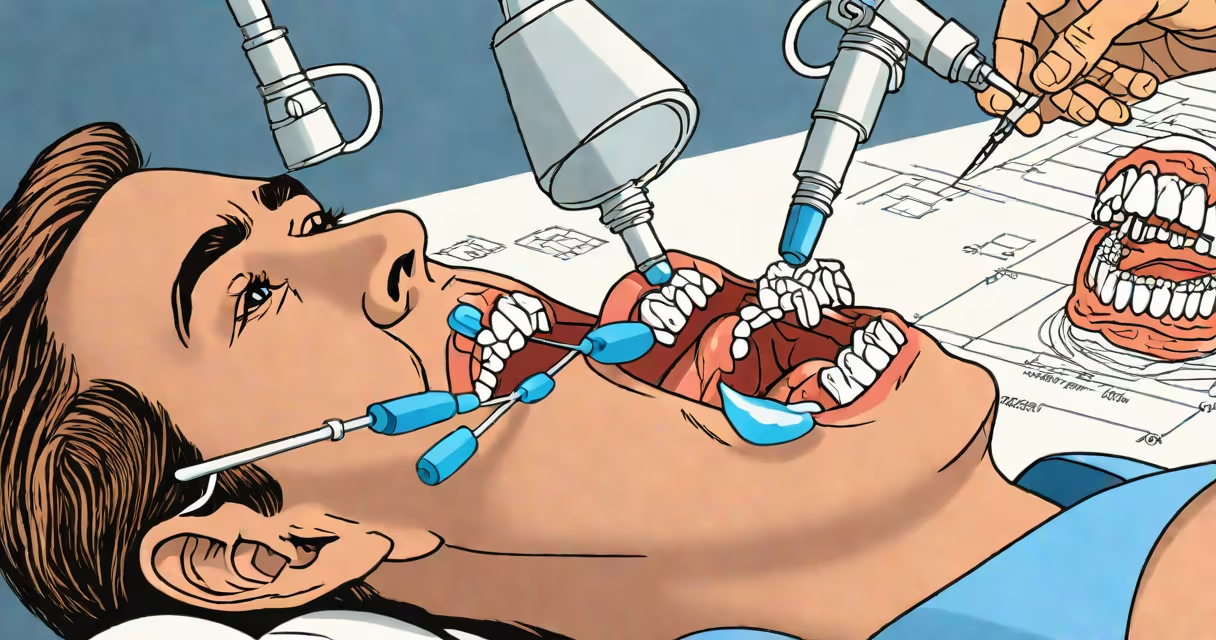
Wisdom teeth are removed because they often cause pain, infection, crowding, or damage to adjacent teeth due to insufficient space in the jaw. This procedure is common in late teens and early adulthood when the third molars fail to erupt properly.
Most people have four wisdom teeth-two in the upper jaw and two in the lower. These are the last permanent teeth to develop, typically emerging between ages 17 and 25. When there's not enough room for them to grow in correctly, they become impacted. Impacted teeth can push against neighboring teeth, damage bone, or trap food and bacteria, leading to decay and gum disease.
Dental professionals recommend removal when imaging shows signs of potential problems. The American Association of Oral and Maxillofacial Surgeons (AAOMS) states that about 85% of people will experience issues related to their wisdom teeth during their lifetime, making prophylactic extraction a standard preventive measure.
When a wisdom tooth grows at an angle or remains trapped beneath the gum and bone, it's classified as impacted. This condition leads to several complications:
A 2021 study published in the Journal of Oral and Maxillofacial Surgery found that patients with impacted wisdom teeth were 3.4 times more likely to develop periodontal disease in adjacent molars compared to those without impacted third molars.
Impaction varies based on the tooth's position and orientation. The most common types include:
| Type | Description | Risk Level |
|---|---|---|
| Soft tissue impaction | Tooth partially emerges through gum tissue only. | High |
| Bony impaction | Tooth is fully encased in jawbone. | Very high |
| Horizontal impaction | Tooth grows sideways, often pressing into the second molar. | Extreme |
| Vertical impaction | Tooth is upright but blocked from erupting. | Medium |
Horizontal impactions pose the highest risk for structural damage. A case study from the University of Michigan Dental School documented a patient whose impacted lower left wisdom tooth caused irreversible resorption of the adjacent second molar root, requiring extraction of both teeth.
Many people assume wisdom teeth don't need removal unless they're causing pain. That belief overlooks the fact that symptoms may not appear until significant damage has occurred. Some individuals live with asymptomatic impacted teeth for years-until a routine X-ray reveals bone loss or cyst formation.
Another myth is that removing wisdom teeth causes facial numbness permanently. While temporary numbness occurs in about 1-2% of lower jaw extractions due to proximity to the inferior alveolar nerve, permanent numbness affects fewer than 0.1% of cases, according to AAOMS guidelines.
Some patients also believe they can remove wisdom teeth at home using tools bought online. This is extremely dangerous. Attempting self-extraction increases the risk of severe bleeding, infection, broken jaw, or damage to nearby nerves. A single incident reported in the New England Journal of Medicine involved a man who fractured his mandible while trying to pull out a wisdom tooth with pliers.
Dentists and oral surgeons use panoramic X-rays to assess the position, angle, and development stage of wisdom teeth. The American Dental Association recommends evaluation by age 16-18 to determine whether removal is necessary.
Extraction is advised when:
Recovery time averages 3-7 days. Most patients return to normal activities within a week. Post-op care includes avoiding straws, smoking, and vigorous rinsing to prevent dry socket-a painful condition where the blood clot dislodges from the extraction site.
I once observed a 21-year-old patient present with severe pain on the left side of her jaw. She had ignored mild discomfort for six months. An X-ray revealed a horizontally impacted lower left wisdom tooth pressing into the second molar. The second molar showed early signs of root resorption.
Surgical removal was performed under local anesthesia with sedation. The procedure took 45 minutes. She experienced moderate swelling and pain for three days, managed with prescribed antibiotics and ibuprofen. Follow-up at two weeks showed complete healing with no complications.
This case illustrates that even asymptomatic teeth can cause hidden damage. Early intervention prevents more complex procedures later.
If you're considering whether to remove your wisdom teeth, consult a board-certified oral surgeon. They'll evaluate your X-rays, discuss risks, and explain recovery expectations. Delaying treatment increases the likelihood of needing more invasive surgery later.
While some people retain their wisdom teeth without issue, the majority face problems. The decision to remove them is based on clinical evidence-not speculation. Preventive removal reduces long-term dental costs and avoids emergency visits due to infections or abscesses.
Understanding why they take out wisdom teeth clarifies a routine but often misunderstood dental procedure. It's not about removing healthy teeth arbitrarily-it's about protecting oral health before irreversible damage occurs.
Wisdom teeth removal is a standard practice in modern dentistry. It addresses known anatomical challenges and prevents future complications. If your dentist recommends extraction, it's based on science, imaging, and decades of clinical experience.