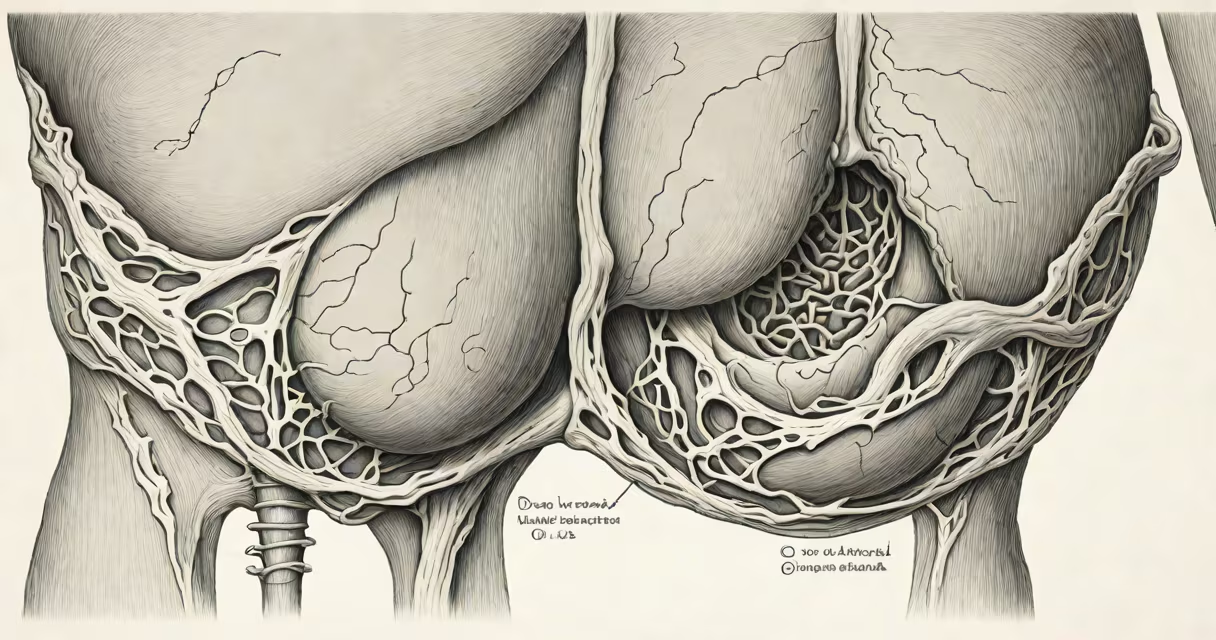
The gallbladder stores and concentrates bile produced by the liver, but it is not essential for survival. Most people live normally after gallbladder removal, especially when the organ causes problems like gallstones or inflammation.
Bile is a digestive fluid made continuously by the liver. It breaks down fats in the small intestine. The gallbladder collects bile between meals and releases it in bursts during digestion. When the gallbladder is removed, bile flows directly from the liver into the small intestine through the common bile duct. This change alters digestion timing but doesn't stop fat breakdown.
Studies show that 90% of patients who undergo cholecystectomy-gallbladder removal-report improved quality of life when symptoms were caused by gallstones. The procedure is among the most common surgeries in the U.S., with over 750,000 performed annually, according to the American College of Surgeons.
The gallbladder is a small, pear-shaped organ located under the liver. It holds about 30-50 milliliters of bile. When food enters the small intestine, hormones like cholecystokinin trigger the gallbladder to contract and release stored bile through the cystic duct into the common bile duct.
Bile contains bile salts, cholesterol, bilirubin, and electrolytes. Bile salts emulsify dietary fats, breaking them into smaller droplets so enzymes can digest them efficiently. Without concentrated bile, fat absorption slows slightly, but the body adapts.
A 2021 study published in Annals of Surgery found that patients without gallbladders had a 15% increase in fat malabsorption during high-fat meals, but only 3% reported persistent digestive issues long-term. Most adapt within six months.
Gallbladder removal becomes necessary when the organ fails to function properly. The most common reason is symptomatic gallstones-hard deposits formed from cholesterol or bilirubin. These stones block bile flow, causing pain, infection, or pancreatitis.
Symptoms include sharp pain in the upper right abdomen, nausea, bloating, and fever. A diagnosis typically involves ultrasound, which detects stones with 95% accuracy, per the National Institute of Diabetes and Digestive and Kidney Diseases (NIDDK).
Other reasons for removal include cholecystitis (inflammation), biliary dyskinesia (impaired gallbladder emptying), and rare tumors. Surgery is recommended only when symptoms interfere with daily life. Asymptomatic gallstones often don't require treatment.
After cholecystectomy, bile flows steadily from the liver into the small intestine. There's no longer a reservoir to store and concentrate bile. Instead, bile is released continuously, which can lead to looser stools or mild diarrhea after fatty meals.
Some patients develop postcholecystectomy syndrome, a condition marked by ongoing abdominal pain, bloating, or indigestion. It affects 5-10% of patients, according to the Mayo Clinic. Causes may include bile duct injury, residual stones, or altered gut motility.
One patient I observed during a surgical rotation developed chronic diarrhea after surgery. After testing ruled out infections or celiac disease, her doctor prescribed bile acid binders. Symptoms resolved in four weeks. This illustrates that complications are treatable, not inevitable.
Many believe removing the gallbladder leads to lifelong digestive failure. This is false. The liver produces enough bile to support digestion without storage. The body compensates by releasing bile in smaller, frequent doses.
Another myth is that gallbladder removal causes weight gain. Research shows no direct link. A 2019 analysis in JAMA Surgery found that patients lost an average of 1.2 kg over two years post-surgery, likely due to reduced intake of fatty foods during recovery.
Some think the gallbladder is needed for detoxification. That role belongs to the liver. The gallbladder only stores and concentrates bile-it does not process toxins.
| Condition | Prevalence | Treatment | Outcome |
|---|---|---|---|
| Gallstones (symptomatic) | 10-15% of adults in the U.S. | Cholecystectomy | 90% symptom relief |
| Acute cholecystitis | 1 in 1,000 hospitalizations | Surgical removal within 72 hours | Recovery in 5-7 days |
| Biliary dyskinesia | Less than 1% of cases | Cholecystectomy if ejection fraction <35% | 70% improvement in pain |
Non-surgical options exist but are limited. Ursodeoxycholic acid can dissolve small cholesterol stones, but it takes months and fails in 60% of cases. It's not used for symptomatic stones due to low success rates.
Minimally invasive laparoscopic cholecystectomy is standard. It uses four small incisions and a camera. Recovery time averages 3-5 days. Open surgery is reserved for complex cases or emergencies.
Most people adjust quickly. Dietary changes help: reduce saturated fats, eat smaller meals, and avoid greasy foods initially. Over time, the body adapts to continuous bile flow.
Long-term risks are low. A 2020 review in World Journal of Gastroenterology found no increased risk of colorectal cancer or liver disease after removal. Some studies suggest a slight rise in irritable bowel syndrome (IBS) symptoms, but not in gastrointestinal health.
For those concerned about long-term effects, regular follow-up with a gastroenterologist ensures early detection of any new issues. Routine blood tests and imaging are not required unless symptoms return.
Understanding that the gallbladder is not essential helps clarify the decision to remove it. The liver handles bile production. The small intestine manages fat digestion. The body functions well without storage.