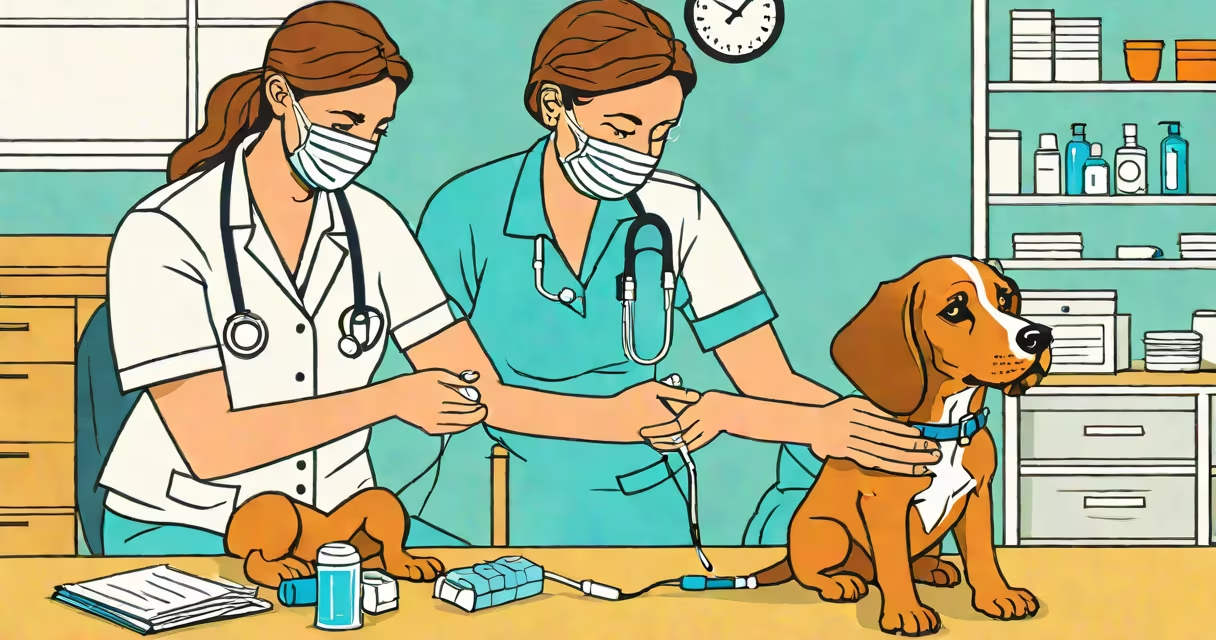
Puppies begin their vaccination series between 6 and 8 weeks of age, with follow-up doses every 3 to 4 weeks until they reach 16 weeks. Core vaccines protect against distemper, adenovirus, parvovirus, and parainfluenza. The full schedule ensures lasting immunity.
Vaccinations start early because maternal antibodies from the mother's milk decline around 6 weeks, leaving puppies vulnerable. Without timely shots, exposure to deadly diseases like parvovirus can be fatal. The American Veterinary Medical Association (AVMA) confirms that delaying or skipping doses increases infection risk, especially in unvaccinated puppies under 16 weeks.
Each vaccine dose builds immune memory. A single shot at 8 weeks may not trigger sufficient protection due to residual maternal antibodies. Boosters at 12 and 16 weeks ensure the immune system responds effectively. This schedule aligns with guidelines from the World Small Animal Veterinary Association (WSAVA).
Vaccines work by exposing the immune system to weakened or inactivated pathogens. This trains the body to recognize and fight real infections later. Puppies receive multiple rounds because maternal antibodies interfere with early vaccine effectiveness.
For example, a 6-week-old puppy gets a combination vaccine (DHPP) protecting against distemper, hepatitis, parvovirus, and parainfluenza. At 10 weeks, another DHPP dose follows. The final dose at 16 weeks completes the core series. Rabies vaccine is given at 12 to 16 weeks, depending on state laws.
Non-core vaccines like leptospirosis or bordetella are added based on lifestyle. A puppy that frequently visits dog parks or boarding facilities may need bordetella at 8 weeks, with a booster at 12 weeks. These are not universally required but reduce risk in high-exposure environments.
The following table outlines core and non-core vaccines, recommended ages, and purposes.
| Vaccine Type | Typical Age Given | Purpose | Notes |
|---|---|---|---|
| DHPP (Core) | 6, 10, 14, 16 weeks | Protects against distemper, adenovirus, parvovirus, parainfluenza | Four doses ensure immunity despite interference from maternal antibodies |
| Rabies (Core) | 12-16 weeks | Prevents rabies, required by law in most states | First dose often administered at 12 weeks; second dose at 1 year |
| Leptospirosis (Non-core) | 12 weeks, then 16 weeks | Prevents bacterial kidney and liver disease | Recommended for puppies in rural or high-risk urban areas |
| Bordetella (Non-core) | 8 weeks, then 12 weeks | Reduces risk of kennel cough | Often required for boarding, grooming, or dog parks |
Some veterinarians recommend titers-blood tests measuring antibody levels-to assess immunity instead of routine boosters. However, titers are not accepted in all shelters or boarding facilities. The AVMA notes that titers can't replace vaccines in all settings due to lack of standardization.
Many owners assume that one shot at 8 weeks provides full protection. This is incorrect. A puppy vaccinated only once at 8 weeks remains at high risk for parvovirus and distemper. The virus spreads rapidly in unvaccinated puppies, with mortality rates exceeding 90% in untreated cases.
Another misconception is that indoor-only puppies don't need vaccines. Even indoor dogs can be exposed through contaminated shoes, visitors, or airborne particles. Parvovirus can survive on surfaces for months. The WSAVA emphasizes that no environment is completely sterile, making vaccination essential regardless of lifestyle.
A less known fact: some puppies develop mild fever, lethargy, or decreased appetite after vaccination. These reactions last 12 to 24 hours and are signs the immune system is responding. Severe reactions-like facial swelling or collapse-are rare, occurring in fewer than 1 in 10,000 doses, according to the AVMA.
Consider Max, a 7-week-old golden retriever mix adopted from a shelter. His first vet appointment includes a physical exam, deworming, and the first DHPP shot. The vet explains that Max will return at 11 weeks for the second DHPP and at 15 weeks for the final dose. Rabies vaccination is scheduled for 14 weeks, when he turns 3 months old.
Max's owner is advised to avoid public parks, doggy daycare, and pet stores until the full series is complete. The vet stresses that even brief exposure during the window between 8 and 16 weeks can lead to infection. Max receives a reminder card with dates and a digital calendar invite for follow-ups.
At 16 weeks, Max gets his final DHPP and rabies shots. Bloodwork confirms adequate antibody levels. He's cleared for socialization events and off-leash play in safe, vaccinated environments. This timeline prevents gaps in protection and reduces community transmission risk.
My experience working with animal shelters confirmed that puppies who missed the 16-week booster had higher hospitalization rates for preventable diseases. One litter of six pups from a breeder with inconsistent vaccination practices developed parvovirus within two weeks of adoption. All required intensive care. Only one survived.
Following the recommended schedule ensures long-term health. Delaying shots beyond 16 weeks increases vulnerability. The Centers for Disease Control and Prevention (CDC) states that incomplete vaccination is a leading cause of preventable canine deaths in young animals.