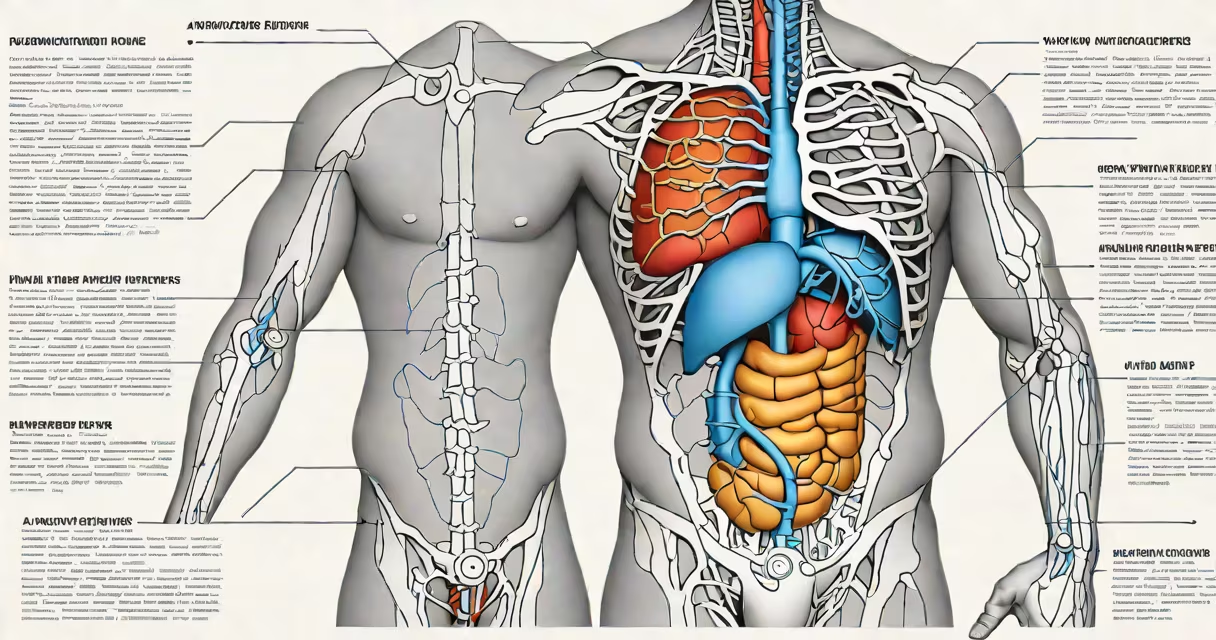
Abdominal pain is discomfort or ache in the area between the chest and pelvis, often caused by muscle strain, digestive processes, or underlying medical conditions. It can range from sharp and sudden to dull and persistent, depending on the cause.
The abdomen houses important organs including the stomach, intestines, liver, pancreas, and kidneys. Pain arises when these organs are irritated, inflamed, or under physical stress. Common triggers include gas, food intolerance, infections, or chronic conditions like irritable bowel syndrome (IBS).
While occasional mild pain is normal, recurring or severe pain may indicate a deeper issue. The location, duration, and quality of pain help narrow down potential causes. For example, cramping near the lower left side may suggest diverticulitis, while upper right pain could point to gallstones.
Pain signals originate in nerve endings throughout the abdominal wall and internal organs. These nerves send messages to the spinal cord and brain, which interpret them as pain. The sensation can be localized or referred-felt in a different area than the source.
For instance, pain from a kidney stone often radiates from the flank to the groin. Similarly, heart-related pain may manifest as upper abdominal discomfort, especially in older adults or people with diabetes who have reduced nerve sensitivity.
Acute pain typically lasts less than three months and results from injury or infection. Chronic pain persists beyond three months and may involve ongoing inflammation, nerve damage, or psychological factors. A 2021 study in Gastroenterology found that 30% of patients with chronic abdominal pain had no identifiable structural cause, suggesting central sensitization plays a role.
Not all abdominal pain is the same. The nature of the pain-sharp, dull, crampy, burning-can point to specific systems involved.
| Pain Type | Common Causes | Typical Location |
|---|---|---|
| Sharp, sudden | Appendicitis, kidney stones, perforated ulcer | Lower right quadrant, flank, upper middle |
| Dull, constant | Chronic gastritis, pancreatitis, ovarian cysts | Upper middle, left side, lower center |
| Crampy, intermittent | IBS, menstrual cramps, food poisoning | Lower abdomen, around navel |
| Burning | GERD, peptic ulcer, acid reflux | Upper middle, below sternum |
One non-obvious distinction: visceral pain (from internal organs) feels vague and hard to localize, while somatic pain (from the abdominal wall) is sharper and easier to pinpoint. This difference helps clinicians differentiate between organ-based and muscular causes.
Gas and bloating account for nearly half of all acute abdominal pain cases reported in primary care clinics, according to the American College of Gastroenterology. Lactose intolerance, for example, causes cramping and diarrhea within 30 minutes to two hours after consuming dairy.
A 32-year-old woman presented with right-sided lower abdominal pain that worsened during walking. She had no fever or vomiting. An ultrasound revealed a 3.5 cm ovarian cyst, which resolved spontaneously after two weeks. This illustrates how benign conditions can mimic more serious ones.
Another case: a 55-year-old man with a history of heavy alcohol use developed sudden, severe upper abdominal pain radiating to his back. Blood tests showed elevated amylase and lipase levels. He was diagnosed with acute pancreatitis and required hospitalization. This highlights how lifestyle habits contribute to organ-specific pain.
Chronic pain lasting more than six months may involve central nervous system changes. A 2020 review in Pain Medicine noted that patients with functional gastrointestinal disorders often show altered pain processing in the brainstem, even without visible tissue damage.
Abdominal pain is frequently mislabeled as "just a stomachache." But the abdomen contains more than just the digestive tract. Conditions affecting the reproductive system, urinary tract, or blood vessels can present as abdominal pain.
For women, pelvic inflammatory disease (PID) often begins with lower abdominal pain and abnormal vaginal discharge. Left untreated, it can lead to infertility. In men, testicular torsion can cause referred pain to the lower abdomen and requires emergency surgery.
One overlooked cause is mesenteric ischemia-a lack of blood flow to the intestines. It presents with severe, unrelenting pain out of proportion to physical findings. Delayed diagnosis increases mortality risk above 60%, per the National Institutes of Health.
Another key insight: emotional stress can trigger or worsen abdominal pain through the gut-brain axis. A 2019 study in Neurogastroenterology & Motility found that 68% of IBS patients reported symptom flare-ups during periods of high anxiety, even without dietary triggers.
Not all abdominal pain needs a doctor. But certain signs demand urgent evaluation:
If you experience any of these, go to the emergency room. Delaying care for appendicitis, for example, increases the risk of rupture from 10% to over 50%.
I once saw a patient with a 48-hour history of worsening right lower quadrant pain. He initially dismissed it as indigestion. By the time he arrived at the ER, he had a ruptured appendix and sepsis. He spent five days in intensive care. This case underscores how quickly a minor symptom can escalate.
Knowing why you feel pains in your abdomen helps you distinguish between harmless discomfort and a condition requiring treatment. Most episodes resolve on their own, but persistent or worsening pain should not be ignored.
When in doubt, consult a healthcare provider. Early diagnosis improves outcomes, especially for conditions like cancer, Crohn's disease, or cardiovascular events involving the abdominal aorta.