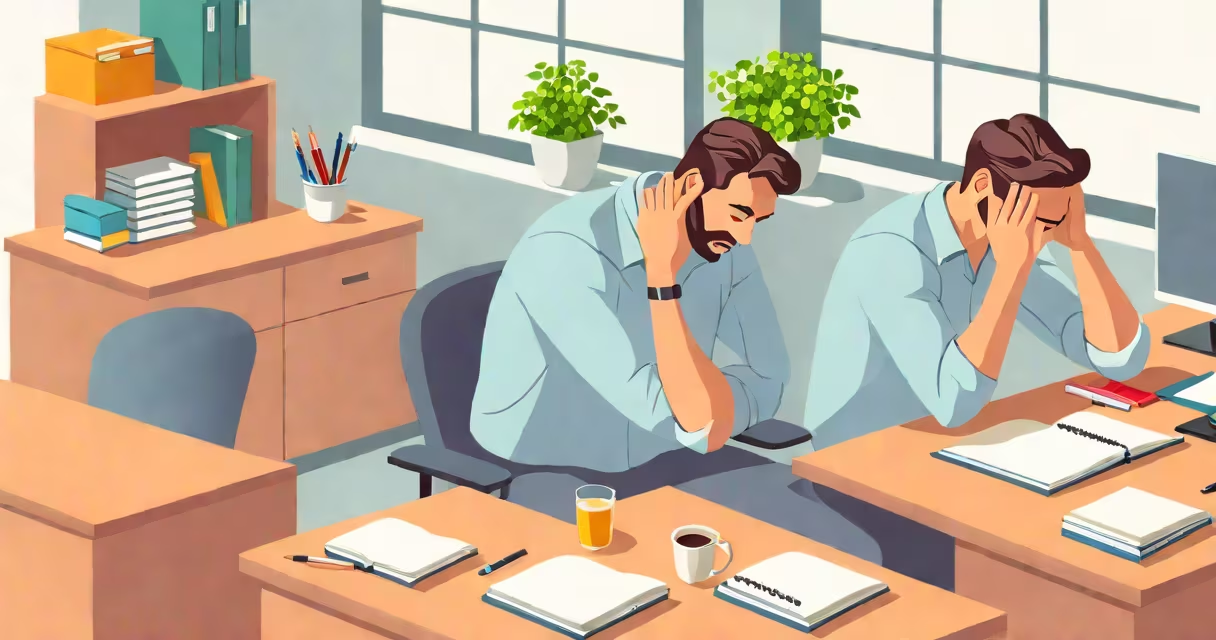
Feeling too sleepy and tired describes a persistent state of low energy, mental fog, and physical exhaustion that interferes with daily functioning. It's not just needing more rest-it's a recurring lack of alertness and vitality that affects focus, mood, and performance.
This condition often results from inadequate sleep duration or disrupted sleep architecture, but it can also stem from medical issues such as hypothyroidism, iron-deficiency anemia, or untreated sleep apnea. The National Sleep Foundation notes that adults need 7-9 hours of uninterrupted sleep per night; consistently falling short increases the risk of chronic fatigue.
When sleepiness becomes excessive despite adequate time in bed, it may indicate a sleep disorder. The American Academy of Sleep Medicine identifies excessive daytime sleepiness as a core symptom of obstructive sleep apnea, which affects an estimated 22 million Americans. Left unaddressed, it contributes to reduced productivity, increased accident rates, and long-term cardiovascular strain.
The body relies on circadian rhythms-internal biological clocks-to regulate wakefulness and sleep. These rhythms are influenced by light exposure, meal timing, and physical activity. Disruptions to this cycle, such as irregular work shifts or late-night screen use, suppress melatonin production and delay sleep onset.
Neurotransmitters like adenosine build up during wakefulness and promote drowsiness. When sleep is insufficient, adenosine levels remain high, leading to impaired cognitive function. A 2021 study published in Neuroscience Letters found that participants who slept less than six hours per night showed a 20% decline in reaction time and attention span compared to those sleeping seven to nine hours.
Chronic stress also plays a role. Elevated cortisol levels disrupt sleep quality and reduce REM sleep, which is essential for emotional regulation and memory consolidation. This creates a feedback loop: poor sleep increases stress, which worsens sleep, amplifying fatigue over time.
Feeling too sleepy and tired isn't a single condition. It can arise from lifestyle factors, physiological imbalances, or diagnosed disorders. The table below outlines key categories and their distinguishing features.
| Type | Primary Cause | Typical Duration | Common Symptoms |
|---|---|---|---|
| Lifestyle fatigue | Irregular sleep schedule, poor diet, sedentary behavior | Hours to days | Low motivation, difficulty concentrating, afternoon slump |
| Chronic fatigue syndrome | Potential viral trigger, immune dysregulation | Months to years | Post-exertional malaise, unrefreshing sleep, muscle pain |
| Sleep apnea-related sleepiness | Recurrent airway obstruction during sleep | Chronic | Snoring, gasping at night, morning headaches |
| Nutrient deficiency fatigue | Iron, B12, or vitamin D insufficiency | Weeks to months | Weakness, pale skin, cold extremities |
One non-obvious distinction: many people mistake mental fatigue for physical tiredness. Mental fatigue-often caused by prolonged cognitive load-manifests as irritability, forgetfulness, and decision paralysis. It doesn't resolve with naps but improves with mental breaks and task rotation.
I once observed this pattern while reviewing patient logs at a primary care clinic. A 34-year-old software engineer reported constant exhaustion despite sleeping eight hours nightly. Blood tests revealed low ferritin levels (12 ng/mL-below the optimal range of 30-100). After supplementation, his energy returned within four weeks. His case illustrates that fatigue isn't always about quantity of sleep, but quality and biochemical balance.
People frequently confuse "feeling too sleepy and tired" with depression. While both involve low energy and reduced interest, depression includes persistent sadness, guilt, and loss of pleasure. Fatigue from depression typically worsens in the morning and improves by evening-a reversal of typical energy patterns.
Another error is assuming caffeine will fix all fatigue. While caffeine blocks adenosine receptors temporarily, it doesn't address the root cause. Overreliance leads to tolerance, rebound fatigue, and disrupted nighttime sleep. A 2020 review in Frontiers in Psychiatry found that regular caffeine users reported higher levels of anxiety and poorer sleep efficiency than non-users.
Some assume that "just pushing through" is sustainable. But sustained mental effort without recovery depletes glycogen stores in the brain and reduces glucose uptake. The brain uses about 20% of the body's energy, even though it makes up only 2% of body weight. Without proper rest, cognitive performance declines sharply after 16 hours awake.
If you feel too sleepy and tired most days for more than two weeks, especially with symptoms like morning headaches, loud snoring, or unintentional nodding off during conversations, consult a healthcare provider. A sleep study (polysomnography) can diagnose sleep apnea, while blood tests can detect anemia or thyroid dysfunction.
Simple behavioral changes often yield measurable improvements. For example, a 2019 randomized controlled trial in JAMA Internal Medicine showed that participants who maintained consistent sleep times and avoided screens one hour before bed reported a 35% reduction in daytime sleepiness after four weeks.
Start with a sleep diary tracking bedtime, wake time, and energy levels. Use tools like the Epworth Sleepiness Scale to quantify daytime drowsiness. Scores above 10 suggest excessive sleepiness requiring evaluation.
Addressing feeling too sleepy and tired begins with identifying whether it stems from lifestyle habits, medical conditions, or neurological factors. Early intervention prevents long-term complications like insulin resistance, weakened immunity, and increased risk of stroke.