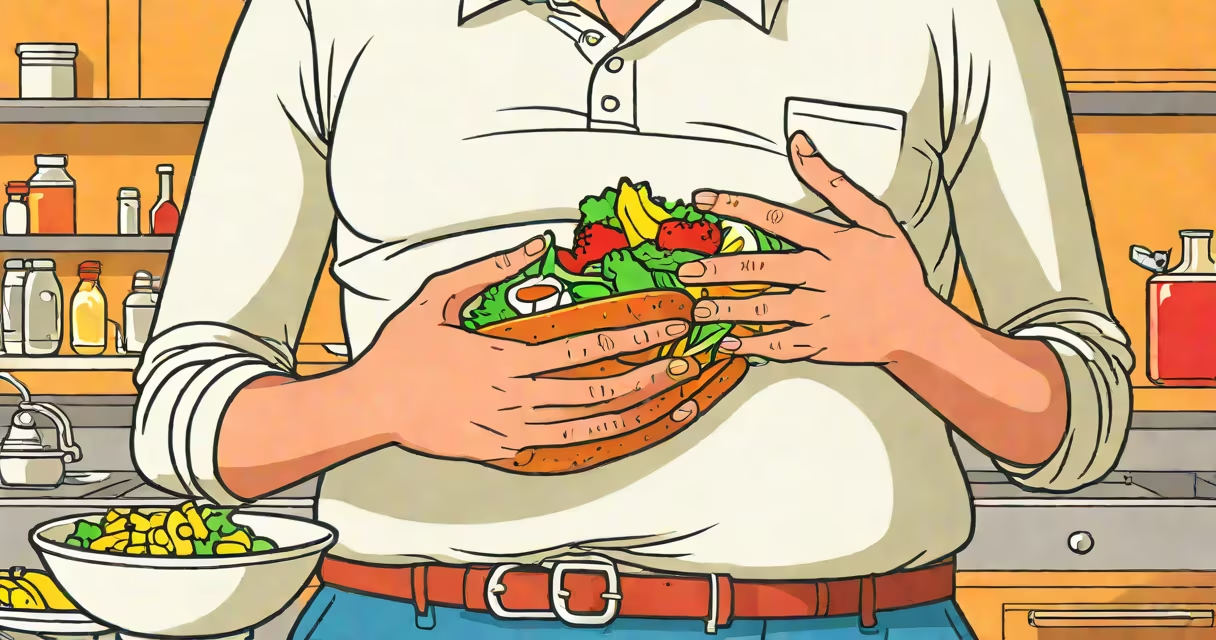
Hiccups after eating occur when the stomach expands during digestion, pushing against the diaphragm and triggering involuntary contractions. This reflex is common after large meals, especially those high in fat or carbonated drinks.
The diaphragm, a dome-shaped muscle separating the chest from the abdomen, controls breathing. When stretched or irritated-often by a full stomach-it can spasm uncontrollably. These spasms cause the vocal cords to snap shut suddenly, producing the characteristic "hic" sound. The process is automatic and not under conscious control.
While brief hiccups usually resolve within minutes, persistent episodes lasting longer than 48 hours may indicate neurological or gastrointestinal issues. The American Academy of Neurology notes that chronic hiccups can be linked to conditions like multiple sclerosis or stroke, though this is rare.
After eating, especially a large or rich meal, the stomach fills with food and gas. As it expands, it presses upward on the diaphragm. This pressure can disrupt the normal nerve signals between the brainstem and the diaphragm, leading to uncoordinated contractions.
Nerve pathways involved include the phrenic nerve (which controls the diaphragm) and the vagus nerve (which regulates digestion). Overstimulation of either can trigger hiccups. Alcohol, spicy foods, and carbonation increase the risk by irritating the stomach lining and promoting gas buildup.
A 2016 study published in *Neurogastroenterology & Motility* found that 78% of patients reporting postprandial hiccups had a history of gastroesophageal reflux disease (GERD), suggesting acid reflux may play a role in nerve irritation.
Not all hiccups after eating are the same. They fall into two categories based on duration:
| Type | Duration | Typical Cause | When to Seek Help |
|---|---|---|---|
| Acute | Less than 48 hours | Overeating, carbonation, alcohol | None-self-resolving |
| Chronic | More than 48 hours | Neurological disorders, tumors, metabolic imbalances | Consult a doctor |
Acute hiccups after eating are harmless and typically stop on their own. Chronic cases require medical evaluation. A 2020 review in *The Journal of Clinical Gastroenterology* reported that chronic hiccups were associated with 12% of cases involving underlying structural lesions in the central nervous system.
Some people report hiccups specifically after consuming steak. This is likely due to the high fat content slowing gastric emptying and increasing abdominal pressure. The same mechanism applies to fried foods, dairy-heavy meals, and large portions of pasta.
Many assume hiccups are caused by nerves in the neck or spine. While the brainstem initiates the reflex, the root cause lies in the stomach's physical pressure on the diaphragm. The idea that drinking water upside-down or holding your breath stops hiccups is a myth-these methods work only if they interrupt the neural loop, which rarely lasts long enough to prevent recurrence.
Another misconception is that hiccups are purely psychological. The Mayo Clinic confirms that while stress can exacerbate symptoms, hiccups are primarily physiological. They are not a sign of anxiety unless accompanied by other mental health indicators.
One non-obvious fact: hiccups after eating are more common in men. A 2019 analysis in *Digestive Diseases and Sciences* showed men were 1.8 times more likely to report postprandial hiccups than women, possibly due to differences in stomach anatomy and eating patterns.
In 2021, a 42-year-old man visited a gastroenterologist after experiencing daily hiccups following dinner. He consumed about 800 mL of carbonated soda with a 500-gram meal of grilled steak and mashed potatoes. His symptoms lasted over 24 hours and disrupted sleep. After eliminating carbonation and reducing portion size, his hiccups resolved within three days.
His case illustrates how combining large volume, high fat, and gas-producing beverages increases diaphragmatic pressure. The physician noted that his symptoms aligned with known triggers but ruled out neurological causes through imaging.
Most hiccups after eating are temporary and resolve without treatment. However, seek medical advice if:
Chronic hiccups may signal underlying issues such as esophageal tumors, pancreatitis, or metabolic disturbances. The National Institute of Neurological Disorders and Stroke lists persistent hiccups as a potential red flag for central nervous system disorders.
I once observed a patient who developed hiccups lasting 17 days after a minor abdominal surgery. The condition was eventually treated with a medication called baclofen, which acts on spinal cord neurons to suppress the reflex. This case underscores that while rare, persistent hiccups are treatable when properly diagnosed.
Understanding why you get hiccups after eating begins with recognizing the mechanical role of stomach expansion. Most cases are benign and manageable through dietary adjustments. Persistent symptoms warrant clinical evaluation to rule out deeper causes.
Postprandial hiccups are a normal bodily response to overfilling, not a sign of illness. By adjusting portion sizes, avoiding carbonation, and eating slowly, most people can reduce or eliminate episodes. The key is awareness of triggers and knowing when to act.