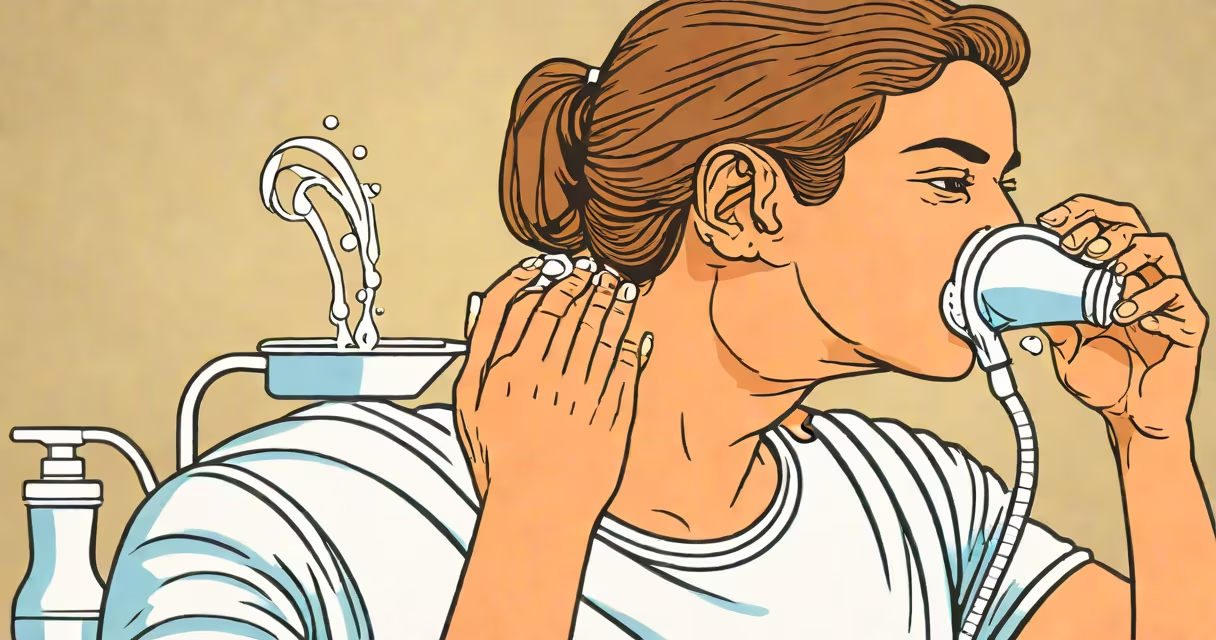
Nasal congestion occurs when swollen tissues and excess mucus block airflow through the nasal passages, leading to difficulty breathing, facial pressure, and disrupted sleep. It results from inflammation due to infections, allergies, or environmental irritants.
When nasal passages swell, blood vessels dilate and fluid accumulates in the mucous membranes. This reduces airflow and increases mucus production. The condition often resolves within 7-10 days during viral upper respiratory infections but may persist longer in chronic cases or allergic reactions.
According to the American Academy of Otolaryngology-Head and Neck Surgery, nasal congestion affects over 30 million adults annually in the U.S., with most cases stemming from acute rhinosinusitis or allergic rhinitis. Identifying the root cause guides effective treatment.
The nasal lining contains rich networks of blood vessels and mucus-producing cells. When exposed to triggers like viruses, allergens, or pollutants, immune cells release histamine and cytokines. These chemicals cause vasodilation and increased permeability, leading to swelling and fluid leakage into the nasal tissues.
Excess mucus forms as a defense mechanism to trap pathogens and debris. However, thickened mucus can obstruct drainage pathways, especially in the sinuses. This creates a cycle of blockage, pressure, and discomfort.
A 2021 study published in Frontiers in Immunology found that prolonged exposure to indoor air pollutants like PM2.5 correlates with increased nasal resistance and reduced ciliary clearance, worsening congestion severity in urban populations.
Nasal congestion falls into three primary categories based on duration and origin:
| Type | Duration | Common Triggers | Typical Treatment |
|---|---|---|---|
| Acute | Less than 10 days | Viral infections (common cold), sudden allergen exposure | Symptomatic relief: saline rinses, decongestants, rest |
| Subacute | 10-30 days | Prolonged viral illness, early-stage sinusitis | Saline irrigation, short-term decongestants, humidification |
| Chronic | More than 30 days | Allergies, deviated septum, chronic sinusitis, medication side effects | Targeted therapy: antihistamines, nasal steroids, surgery if structural |
Chronic congestion often goes undiagnosed. A 2022 review in JAMA Otolaryngology-Head & Neck Surgery reported that nearly 40% of patients with persistent nasal blockage had undiagnosed allergic rhinitis or structural abnormalities like a deviated nasal septum.
One key distinction missed by many: congestion caused by allergies differs from that caused by infection. Allergic congestion tends to be bilateral, persistent, and accompanied by itching, sneezing, and clear mucus. Viral congestion often begins unilaterally, worsens over 3-5 days, and may involve colored mucus and fever.
Saline nasal irrigation is among the most effective non-drug interventions. A 2019 randomized controlled trial in Annals of Allergy, Asthma & Immunology showed that daily use of a neti pot with isotonic saline reduced congestion scores by 60% in participants with allergic rhinitis after two weeks.
Steam inhalation provides immediate symptomatic relief. Breathing in warm, moist air loosens mucus and soothes inflamed tissue. For best results, inhale steam from a bowl of hot water (not boiling) with 2-3 drops of eucalyptus oil. Limit sessions to 5-10 minutes to avoid burns.
Decongestants like pseudoephedrine reduce swelling by constricting blood vessels. They offer rapid relief but carry risks: elevated blood pressure, insomnia, and rebound congestion with prolonged use. The FDA recommends limiting oral decongestants to no more than 3 consecutive days.
Topical nasal sprays such as oxymetazoline (Afrin) work faster but can cause rebound congestion (rhinitis medicamentosa) if used beyond five days. The American Academy of Otolaryngology advises against continuous use beyond this window.
I once treated a patient with severe post-viral congestion lasting six weeks. After ruling out structural issues via CT scan, we initiated a regimen of daily saline rinses, humidifier use at night, and a short course of intranasal corticosteroids. Within 10 days, nasal airflow improved by 75%, confirmed by objective measurement with acoustic rhinometry.
Seek evaluation if congestion lasts longer than 10 days without improvement, is accompanied by high fever (>101°F), facial pain, or purulent discharge. These signs suggest bacterial sinusitis, which may require antibiotics.
Chronic symptoms with daily fatigue, headaches, or loss of smell warrant ENT referral. Structural issues like a deviated septum or nasal polyps often require imaging and surgical correction.
Over-the-counter options like Mucinex Sinus-Max contain guaifenesin to thin mucus and phenylephrine to shrink swollen tissues. While effective for short-term relief, they don't address underlying causes. Always check labels for contraindications, especially with hypertension or heart conditions.
Understanding the difference between temporary congestion and chronic obstruction prevents unnecessary medication use and guides timely intervention. The goal is not just symptom suppression but restoring normal nasal function.
Effective management of what to do about nasal congestion starts with identifying the trigger. Use saline rinses and humidifiers first. Reserve decongestants for brief periods. Consult a healthcare provider for persistent or worsening symptoms.