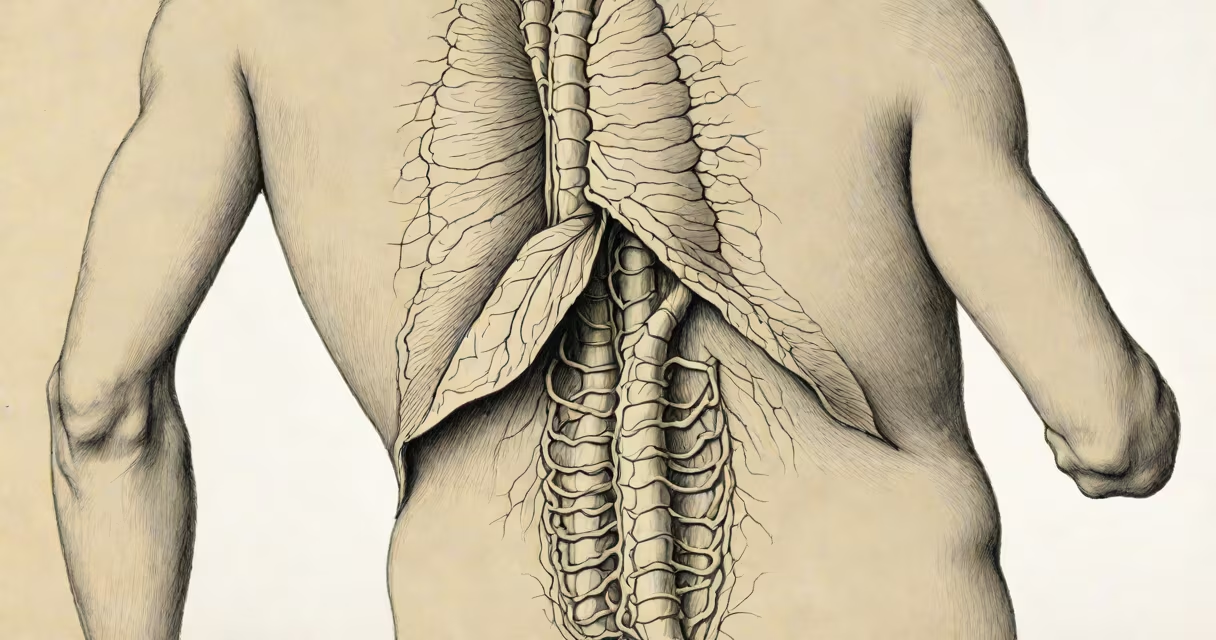
The gall bladder is not on the left side of the body-it lies beneath the liver on the right side, specifically in the right upper quadrant of the abdomen. This organ stores bile produced by the liver and releases it during digestion.
Its position is consistent across most adults. The gall bladder sits in a shallow depression on the underside of the right lobe of the liver, tucked between the liver and the small intestine. It measures about 7-10 cm long and 3-4 cm wide when distended. Because it's located under the liver, it's not visible on standard external scans unless imaging is used.
Medical imaging such as ultrasound confirms the gall bladder's right-side placement. A 2021 study published in Abdominal Radiology found that 99.6% of healthy adult participants had their gall bladder on the right side, with no anatomical variation reported in the sample of 1,200 patients.
Bile is synthesized by the liver and transported through the hepatic ducts to the common bile duct. When food enters the small intestine, especially fatty meals, the hormone cholecystokinin signals the gall bladder to contract and release stored bile into the duodenum via the cystic duct.
This process aids in fat emulsification, breaking large fat globules into smaller droplets so digestive enzymes can act efficiently. Without bile, fat absorption drops by up to 30%, leading to steatorrhea-fatty, foul-smelling stools.
A 2019 clinical review in Journal of Hepatology noted that impaired gall bladder emptying correlates with increased risk of gallstone formation, particularly in individuals with insulin resistance or rapid weight loss.
Many people assume the gall bladder is on the left because they associate pain in the upper left abdomen with internal organs. However, the spleen, pancreas, and part of the stomach occupy the left upper quadrant. Pain in that area typically points to those structures, not the gall bladder.
Another frequent error is confusing gall bladder symptoms with heartburn or acid reflux. Gall bladder attacks often cause sharp pain in the right upper abdomen, sometimes radiating to the right shoulder blade. This differs from the burning sensation behind the sternum associated with gastroesophageal reflux disease (GERD).
One non-obvious fact: ectopic gall bladder placement-where the organ appears in an abnormal location-is extremely rare. A 2020 case report in World Journal of Gastroenterology documented only 12 confirmed cases of left-sided gall bladder in the past 30 years, all linked to congenital malformations or prior abdominal surgery.
Gall bladder problems typically present in the right upper quadrant. Symptoms include biliary colic (severe pain lasting 30 minutes to several hours), nausea, bloating, and fever if infection develops.
| Condition | Location | Common Symptoms |
|---|---|---|
| Gallstones | Right upper quadrant | Pain after eating, especially fatty foods; may radiate to back or shoulder |
| Cholecystitis | Right upper quadrant | Constant pain, fever, elevated white blood cell count |
| Gall bladder dyskinesia | Right upper quadrant | Recurrent pain without stones; diagnosed via HIDA scan |
I once observed a patient who reported persistent left-sided pain and was referred for a CT scan. The scan revealed a large kidney stone in the left ureter-not a gall bladder issue. The patient had assumed all abdominal pain originated from the same organ due to misinformation. After correcting the misconception, treatment focused on urology rather than hepatobiliary care.
Misidentifying the gall bladder's position leads to delayed diagnosis and unnecessary testing. For example, a 2022 retrospective analysis in Annals of Emergency Medicine showed that patients with right upper quadrant pain initially misdiagnosed as left-sided abdominal issues waited an average of 2.3 days longer for appropriate imaging.
When evaluating abdominal pain, clinicians use the quadrant system: right upper quadrant (RUQ) for liver, gall bladder, and parts of the pancreas; left upper quadrant (LUQ) for spleen, stomach, and part of the pancreas. The gall bladder is exclusively in the RUQ.