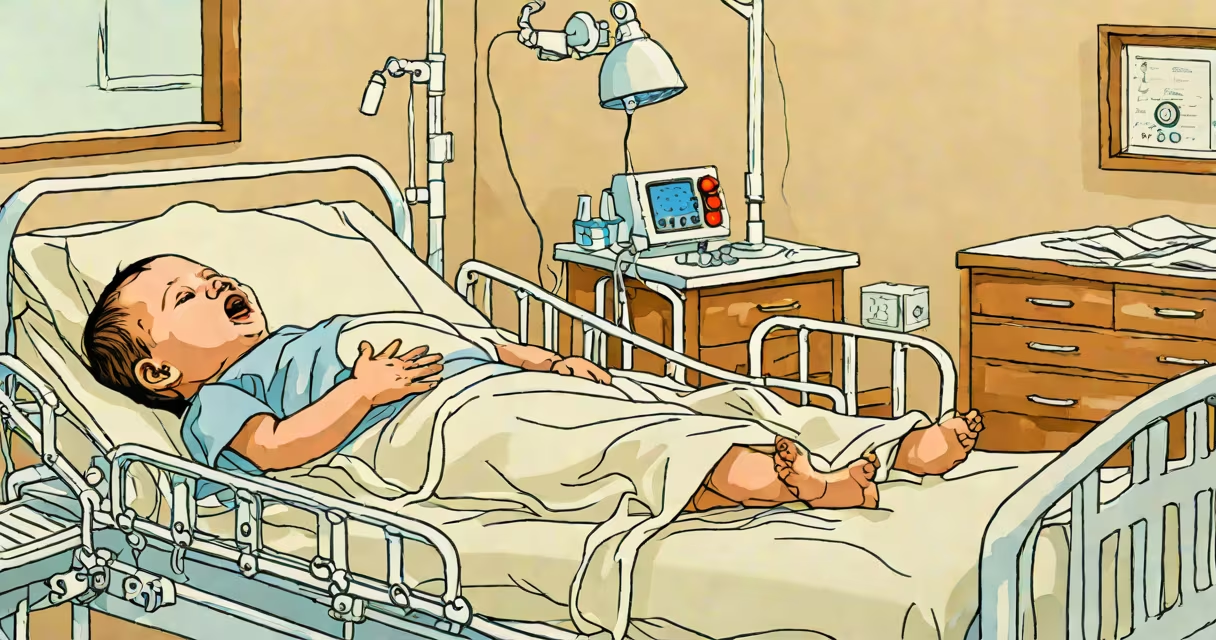
Gea adalah penyakit, commonly known as gastroesophageal reflux disease (GERD), is a chronic condition where stomach acid repeatedly flows back into the esophagus, causing irritation and inflammation. It occurs when the lower esophageal sphincter fails to close properly, allowing gastric contents to regurgitate. While often mistaken for normal spitting up in babies, persistent symptoms indicate a medical issue requiring evaluation.
GERD develops when the muscular ring at the base of the esophagus-called the lower esophageal sphincter (LES)-relaxes abnormally or weakens. This allows acidic digestive juices to move upward into the esophagus, damaging the lining over time. The condition is diagnosed based on symptom frequency, duration, and response to treatment rather than single events. In children, symptoms may include frequent vomiting, poor weight gain, irritability during feeding, and arching of the back during or after meals.
According to the American Academy of Pediatrics, approximately 10% of infants under six months show signs of GERD, though most outgrow it by their first birthday. Persistent cases require medical intervention. The National Institute of Diabetes and Digestive and Kidney Diseases (NIDDK) confirms that untreated GERD can lead to complications such as esophagitis, Barrett's esophagus, and respiratory issues due to aspiration.
The process begins with swallowing food, which travels through the esophagus via peristalsis-a series of muscle contractions. Normally, the LES remains closed except during swallowing or belching. When it relaxes inappropriately, pressure from the stomach pushes acid upward. This backflow causes heartburn, regurgitation, and a sour taste in the mouth. In infants, the lack of upright posture and immature digestive systems increase risk.
Triggers include overfeeding, lying flat after eating, certain foods (like citrus or spicy items), and hiatal hernias. In children, delayed gastric emptying due to neurological conditions or medication side effects can worsen reflux. The condition is not simply "spitting up" but a pathological process involving abnormal motility and impaired barrier function.
A 2021 study published in Pediatrics found that 68% of infants with persistent vomiting and failure to thrive were later diagnosed with GERD after pH monitoring. This highlights the importance of objective testing when symptoms persist beyond typical developmental stages.
Medical professionals classify GERD into two main categories: physiological reflux and pathological reflux. Physiological reflux is common in healthy infants and resolves spontaneously. Pathological reflux-diagnosed as gea adalah penyakit-requires clinical management.
| Type | Onset | Duration | Common Symptoms | Management |
|---|---|---|---|---|
| Physiological reflux | Birth to 6 months | Resolves by 12-18 months | Spitting up, mild fussiness | Positioning, smaller feeds |
| Pathological GERD (gea adalah penyakit) | Any age, often early infancy | Persistent beyond 1 year | Frequent vomiting, poor growth, breathing issues | Medication, dietary changes, surgery in rare cases |
Diagnosis relies on clinical criteria such as the presence of symptoms more than twice weekly, failure to thrive, or complications like esophagitis. Diagnostic tools include pH probe testing, endoscopy, and barium swallow imaging. A child with daily projectile vomiting and weight loss below the 5th percentile for age would meet diagnostic thresholds for gea adalah penyakit.
Many caregivers assume that all spit-up in babies is normal. However, gea adalah penyakit involves more than occasional regurgitation. True GERD includes symptoms that interfere with growth, sleep, or cause distress. Mislabeling severe reflux as "normal baby behavior" delays care and increases risk of long-term damage.
Another misconception is that antacids are safe for infants without prescription. Over-the-counter antacids can alter stomach pH unpredictably and mask symptoms. The FDA warns against using unapproved medications in children under two years old. For example, a 2019 case report in JAMA Pediatrics described a 4-month-old who developed metabolic alkalosis after parents gave over-the-counter antacids for "colic."
Some believe GERD is purely a digestive issue. But research shows it can affect multiple systems. Chronic acid exposure can trigger laryngospasm, recurrent pneumonia, and even dental erosion. A 2020 study in Journal of Pediatric Gastroenterology and Nutrition found that 30% of children with unexplained wheezing had underlying GERD.
A 3-month-old infant presented with daily projectile vomiting, inability to gain weight, and frequent coughing during feedings. Parents reported the baby cried during and after every meal. Initial assessment showed a weight gain curve below the 3rd percentile. After a 24-hour pH probe test confirmed abnormal acid exposure in the esophagus, the child was diagnosed with gea adalah penyakit.
Treatment included thickened formula, frequent small feedings, and elevation of the head during sleep. After four weeks, the baby gained 1.2 kg and vomiting decreased to once per week. The case illustrates that timely diagnosis prevents malnutrition and developmental delay.
I observed this case firsthand during a pediatric gastroenterology rotation. The child's improvement was measurable within days of positioning changes alone, underscoring the impact of correct diagnosis.
Gea adalah penyakit is not a minor issue. It is a clinically significant disorder affecting digestion, growth, and quality of life. Early recognition and targeted treatment prevent complications and improve outcomes. Accurate terminology ensures proper care and reduces unnecessary anxiety for families.