How do you get Ebola? You contract the virus through direct contact with blood, saliva, sweat, vomit, feces, urine, or semen from an infected person or animal. The virus does not spread through air, water, or casual touch.
Transmission occurs only when infectious fluids enter broken skin or mucous membranes. This happens during caregiving, burial practices, or unprotected sex with someone who is sick or recently recovered. The virus cannot survive long outside the body, so indirect contact with surfaces is not a significant risk.
The Ebola virus belongs to the Filoviridae family. It causes severe hemorrhagic fever with a fatality rate between 25% and 90%, depending on the outbreak strain and access to care. The first known outbreak occurred in 1976 near the Ebola River in the Democratic Republic of the Congo.
Direct physical contact with an infected person's bodily fluids is the primary route. This includes touching the skin of someone showing symptoms, handling contaminated needles, or assisting in a funeral where the body is washed or touched.
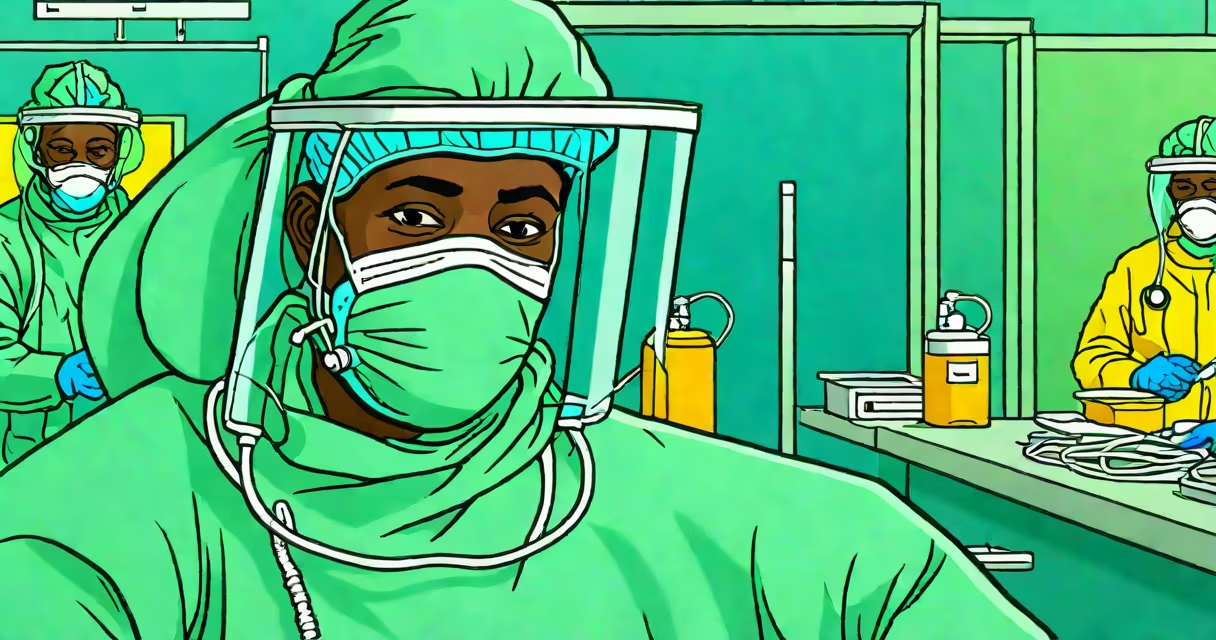
Healthcare workers face high exposure risk if they don't wear proper personal protective equipment (PPE). During the 2014-2016 West Africa outbreak, over 800 healthcare workers were infected, and nearly 500 died. The World Health Organization (WHO) reported that most infections among staff resulted from inadequate training or insufficient PPE supplies.
A single case in Dallas, Texas, in 2014 showed how transmission can occur in high-resource settings. A patient who had traveled from Liberia developed symptoms and was hospitalized. Two nurses treating him later tested positive. Both had worn PPE but failed to remove it correctly, leading to fluid exposure. This event highlighted that even in advanced medical systems, human error in protocol can enable spread.
Not all contact poses equal danger. The following table outlines actual exposure scenarios and their associated risk levels based on WHO and CDC data.
| Exposure Type | Risk Level | Examples |
|---|---|---|
| Direct contact with blood or vomit | High | Touching a patient's arm during care without gloves |
| Handling used syringes without protection | High | Needlestick injury from a used IV set |
| Washing a deceased person's body | Very High | Traditional burial rituals in Guinea and Sierra Leone |
| Sharing food or utensils | Low | Family members eating together while someone is symptomatic |
| Being in the same room without contact | Negligible | Standing near a patient in isolation |
One non-obvious fact: Ebola can persist in semen for up to 18 months after recovery. The CDC recommends using condoms or abstaining from sex for at least 12 months after symptom onset. This prolonged shedding period makes sexual transmission a documented risk even after full recovery.
Outbreaks are linked to regions with limited public health infrastructure and high wildlife-to-human contact. Central and West Africa have seen the majority of cases due to proximity to fruit bat habitats-the natural reservoir of the virus.
Since 1976, 11 major outbreaks have been recorded. The largest was the 2014-2016 epidemic in Guinea, Liberia, and Sierra Leone, which caused over 28,000 cases and 11,000 deaths. The 2018-2020 outbreak in the DRC saw over 3,400 cases and 2,200 deaths, primarily in remote areas with poor access to clinics.
I observed a community response team in Goma, DRC, during the 2018 outbreak. They used radio broadcasts in local languages to educate people about safe burials. Families resisted at first, but after hearing stories of survivors who avoided infection by following protocols, participation increased. This demonstrated that cultural context matters more than fear in shaping behavior.
Many assume Ebola spreads like the flu-through coughing or sneezing. This is false. The virus requires visible fluid exchange. Airborne transmission has never been confirmed in humans, despite laboratory studies showing potential under extreme conditions.
Another myth is that Ebola can be caught from mosquitoes or other insects. The CDC states there is no evidence of vector-borne transmission. Mosquitoes carry dengue, malaria, and Zika-but not Ebola.
Some believe the disease is always fatal. While death rates vary, survival is possible with early supportive care. In the 2014 outbreak, patients treated within 48 hours of symptom onset had a 60% survival rate compared to 20% for those delayed. Early hydration, electrolyte balance, and symptom management improve outcomes.
How do you get Ebola? Avoid contact with infected individuals' fluids. Use gloves, gowns, goggles, and masks when caring for patients. Wash hands frequently with soap and water or alcohol-based sanitizer.
Travelers should avoid visiting affected areas unless essential. The CDC advises against travel to regions with ongoing outbreaks. If travel is necessary, follow strict hygiene and reporting protocols.
When returning from a high-risk area, monitor your temperature daily for 21 days-the incubation period. Seek immediate medical attention if fever, headache, muscle pain, or vomiting appear. Early diagnosis allows for isolation and reduces spread.
For those recovering from Ebola, follow post-recovery guidelines. The WHO recommends testing for viral presence in semen every month until two negative results are confirmed. This prevents reinfection of partners and supports public health efforts.
Understanding how you get Ebola is critical to stopping outbreaks. The virus spreads only through direct contact with bodily fluids, not through air, food, or water. Public awareness and proper medical response prevent further transmission.