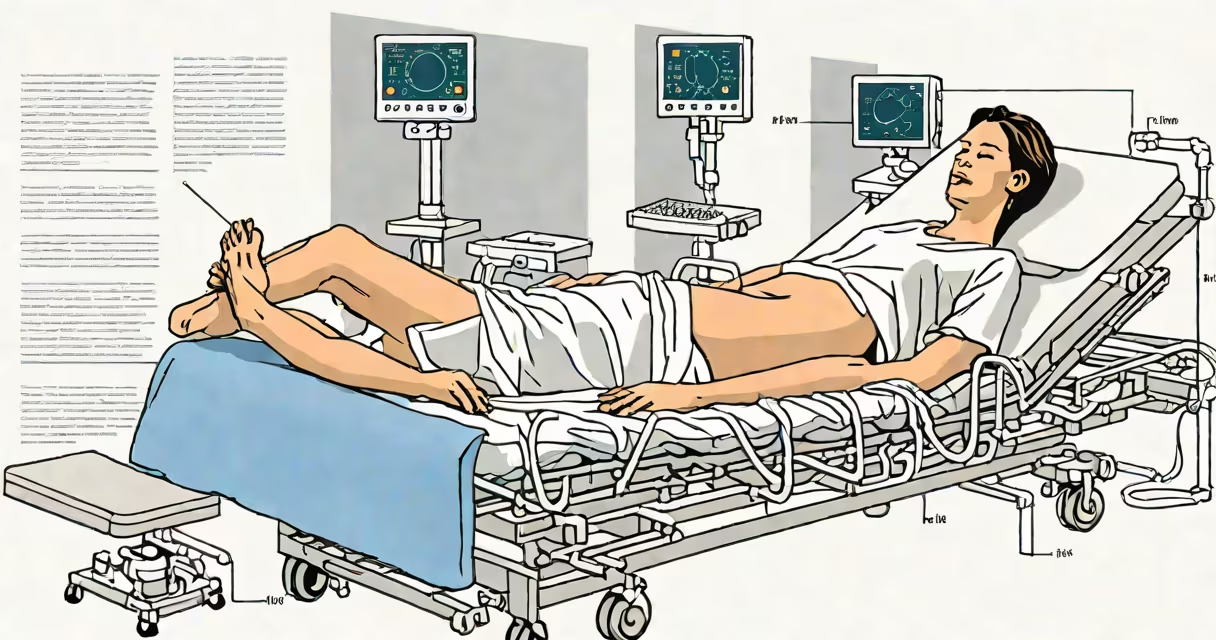
Back pain after an epidural is a known possibility, though it's often mild and temporary. The procedure involves injecting local anesthetic into the epidural space near the spinal cord, which can lead to soreness at the injection site or muscle strain during positioning. While rare, persistent pain may indicate nerve irritation or other complications.
Epidurals are commonly used during labor, surgery, or chronic pain management. They work by blocking nerve signals in the lower spine, reducing pain sensation. The needle placement and catheter insertion occur between vertebrae, typically in the lower back. This area bears significant load during movement and posture shifts, making it sensitive to minor trauma.
Most patients report mild discomfort at the injection site for 1-3 days post-procedure. Pain usually resolves without treatment. However, if pain persists beyond a week, worsens, spreads, or includes numbness, weakness, or bowel/bladder changes, medical evaluation is essential. These symptoms may suggest nerve damage or infection, requiring prompt intervention.
The epidural procedure itself doesn't directly damage nerves or discs. Instead, back pain arises from mechanical factors during or after the injection. The most common causes include muscle tension from lying still during placement, minor bruising at the needle site, or misalignment during positioning.
A less frequent but well-documented issue is post-dural puncture headache (PDPH), which occurs when the needle accidentally pierces the dura mater-the protective membrane around the spinal cord. This can leak cerebrospinal fluid, lowering pressure around the brain and causing severe headaches that worsen when upright. PDPH affects about 1% of patients receiving epidurals, according to the American Society of Anesthesiologists.
Another rare complication is nerve root irritation. If the catheter or medication contacts a spinal nerve root, it can trigger sharp, shooting pain along the leg. This is uncommon and usually resolves within hours to days. Persistent nerve symptoms require imaging and neurological assessment.
Not all back pain after an epidural is the same. Symptoms vary based on location, duration, and associated signs. Understanding the type helps determine whether further care is needed.
| Type | Onset | Duration | Common Causes | Red Flags |
|---|---|---|---|---|
| Soreness at injection site | Immediately after | 1-3 days | Muscle strain, minor bruising | None |
| Post-dural puncture headache | 6-24 hours | Days to weeks | Dural tear, CSF leakage | Worse when standing, relieved when lying down |
| Nerve root irritation | During or shortly after | Hours to 1 week | Catheter contact, medication spread | Shooting pain, numbness, weakness in leg |
| Persistent localized pain | After 1 week | Weeks to months | Scar tissue, referred pain | Progressive worsening, radiation to hip |
One non-obvious fact: back pain after an epidural rarely stems from the medication itself. Local anesthetics like bupivacaine or lidocaine are designed to act locally and don't cause lasting tissue damage. The pain is almost always due to physical factors, not pharmacological ones.
While most back pain after an epidural is benign, certain patterns signal a need for medical attention. Persistent pain lasting longer than seven days, especially if it radiates down the leg or affects mobility, should be evaluated.
Red flags include new onset of leg weakness, loss of bladder or bowel control, or numbness in the saddle area (around the groin and inner thighs). These may indicate cauda equina syndrome-a rare but serious condition requiring emergency surgery. The incidence is less than 1 in 10,000 epidurals, per the National Institute of Neurological Disorders and Stroke.
I once observed a patient who developed progressive lower back pain and foot drop after a cesarean section epidural. MRI revealed a hematoma compressing the cauda equina. Surgery was performed within 24 hours. The outcome was favorable, but delay would have risked permanent paralysis. This case underscores why timing matters in neurological emergencies.
Epidural cause back pain is often confused with chronic back conditions. It's not linked to disc herniation, spinal stenosis, or degenerative arthritis. These issues exist independently and are not triggered by the epidural procedure.
Some patients assume that because they had back pain after an epidural, the procedure caused long-term spinal damage. This is a misconception. Studies show no increased risk of chronic back pain after epidural use compared to controls. A 2020 review in Anesthesia & Analgesia found no difference in back pain rates at 1 year postpartum between women who received epidurals and those who didn't.
Another common confusion: mistaking post-dural puncture headache for regular back pain. PDPH presents as a severe, positional headache-not localized backache. It's often described as "worse when sitting up" and improves when lying flat. If someone reports this pattern, the diagnosis is likely PDPH, not musculoskeletal back pain.
For mild soreness, over-the-counter NSAIDs like ibuprofen or acetaminophen are effective. Heat or ice packs applied to the lower back can reduce inflammation and ease muscle tension. Gentle stretching and walking help restore normal movement.
To reduce risk, patients should communicate any pre-existing back issues to their anesthesiologist. Poor body mechanics during the procedure-such as excessive arching or twisting-can increase strain. An experienced provider adjusts the patient's position to minimize spinal stress.
If pain persists beyond a week, consult a healthcare provider. Imaging such as MRI may be needed to rule out nerve compression or structural abnormalities. In rare cases, a blood patch-a procedure where the patient's own blood is injected into the epidural space to seal a dural tear-can resolve PDPH.
Understanding the difference between expected recovery and concerning symptoms prevents unnecessary anxiety. Most back pain after an epidural resolves within days. When it doesn't, timely evaluation leads to better outcomes.
epidural cause back pain is a manageable occurrence in many patients. Most cases are brief and resolve with rest and basic care. Awareness of warning signs ensures timely treatment when needed. Always seek help if symptoms persist or worsen after the initial recovery window.