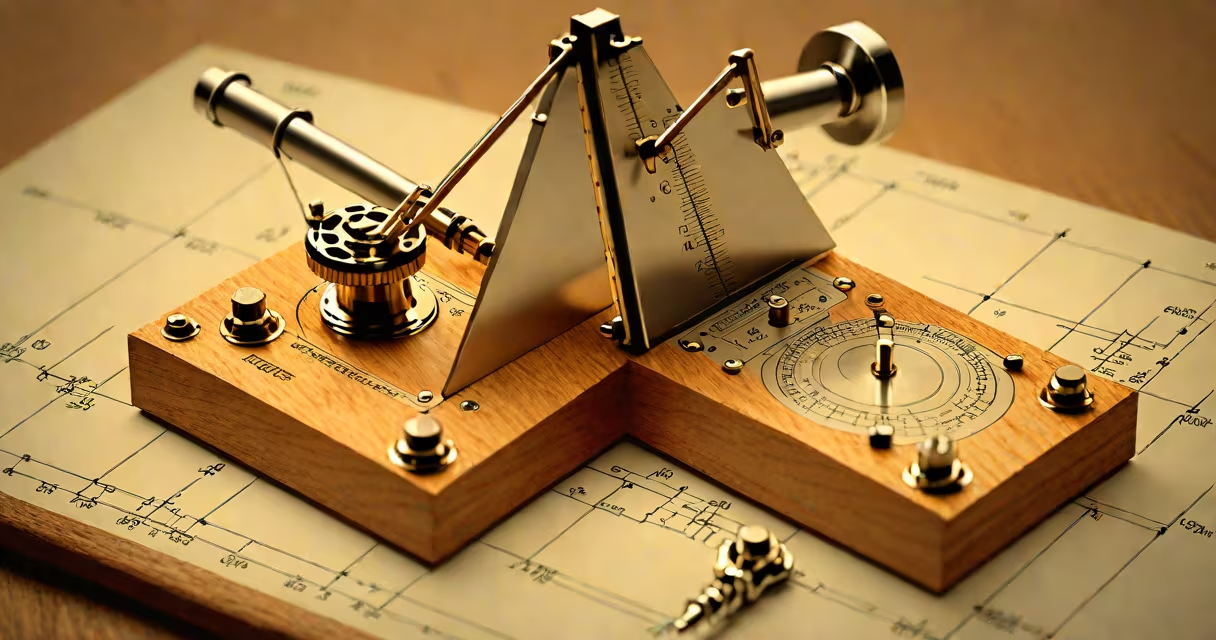
Tempo refers to the speed at which a piece of music is played, measured in beats per minute (BPM). It sets the foundational pace for rhythm and timing in music.
Tempo determines how quickly notes follow one another. A song with a tempo of 60 BPM plays one beat per second. At 120 BPM, the beat doubles to two per second. This numeric standard allows musicians and producers to align performances precisely across instruments and recordings.
For example, the theme from "Mission: Impossible" has a tempo of approximately 132 BPM. That's a brisk pace-about two beats every second-giving the track its urgent, driving feel. In contrast, "Hallelujah" by Leonard Cohen, performed slowly, sits around 60 BPM, creating a reflective, solemn mood.
Tempo acts as the engine behind musical structure. It influences how long each note lasts, how tightly rhythms are packed, and how much space exists between phrases. Without a consistent tempo, even well-written music can sound disjointed or chaotic.
Most sheet music includes a tempo marking at the beginning. These markings use Italian terms like *andante* (walking pace, around 76-108 BPM), *allegro* (fast and lively, 120-156 BPM), or *largo* (very slow, below 60 BPM). These terms give performers a shared reference point, even when they don't have a metronome.
Modern digital audio workstations (DAWs) like Ableton Live or Logic Pro display tempo numerically. A producer setting a track to 100 BPM knows that each quarter note lasts 600 milliseconds. This precision enables tight synchronization between loops, drum patterns, and vocal tracks.
Composers and arrangers use both descriptive terms and numeric values to communicate tempo. The following table shows common tempo categories and their BPM ranges:
| Term | BPM Range | Common Use |
|---|---|---|
| Largo | 40-60 | Slow, solemn pieces; funeral marches |
| Adagio | 66-76 | Deliberate, expressive passages |
| Andante | 76-108 | Walking pace; common in classical movements |
| Allegro | 120-156 | Fast, energetic sections; dance music |
| Vivace | 156-176 | Very lively, often playful |
Some composers blend terms for nuance. For instance, "allegro con brio" means "fast and spirited," while "andante moderato" suggests a slightly slower walking pace than typical andante.
Tempo affects emotional impact. A faster tempo increases energy and urgency. A slower tempo invites introspection. Research from the University of Cambridge found that listeners consistently rate songs with higher tempos as more exciting, even when lyrics remain unchanged.
In live performance, tempo ensures ensemble cohesion. A band playing together must agree on tempo. Even a 5 BPM difference can make a track feel out of sync. Professional ensembles use metronomes during rehearsals to lock in precise timing.
During recording, tempo is locked early. A producer might set a session to 110 BPM and build drum tracks, basslines, and melodies around that frame. Changing tempo later requires time-stretching audio, which can degrade sound quality. Thus, fixing tempo early preserves audio fidelity.
Many assume tempo and rhythm are the same. They're not. Rhythm refers to the pattern of long and short notes within a measure. Tempo controls how fast those patterns unfold. A song can have complex rhythms at a slow tempo-like a jazz ballad-or simple rhythms at a fast tempo-like a pop anthem.
Another mistake is thinking tempo applies only to Western music. Non-Western traditions such as Indian classical music use *tala*, a rhythmic cycle that functions similarly to meter. However, tala systems often include subtle variations in timing called *laya*, which can shift the perceived tempo dynamically during performance.
A lesser-known fact: tempo can be intentionally varied within a single piece. Composers use *rubato*-a slight slowing or speeding of tempo-to create emotional expression. Chopin's Nocturnes frequently employ rubato, where the melody lingers slightly longer on certain notes, giving them weight and intimacy. This doesn't break the tempo-it bends it for effect.
I once recorded a guitar track for a folk song at 88 BPM. The original demo had a wobbly tempo-sometimes faster, sometimes slower. When I re-recorded it using a metronome set to 88 BPM, the new version felt tighter and more intentional. Adding vocals later was easier because the backing track had a stable foundation. The difference wasn't just technical-it changed how the listener perceived emotion.
What does tempo mean? It's the heartbeat of music. It governs pacing, guides emotional tone, and unifies performance. simply listening, understanding tempo reveals how music moves through time.