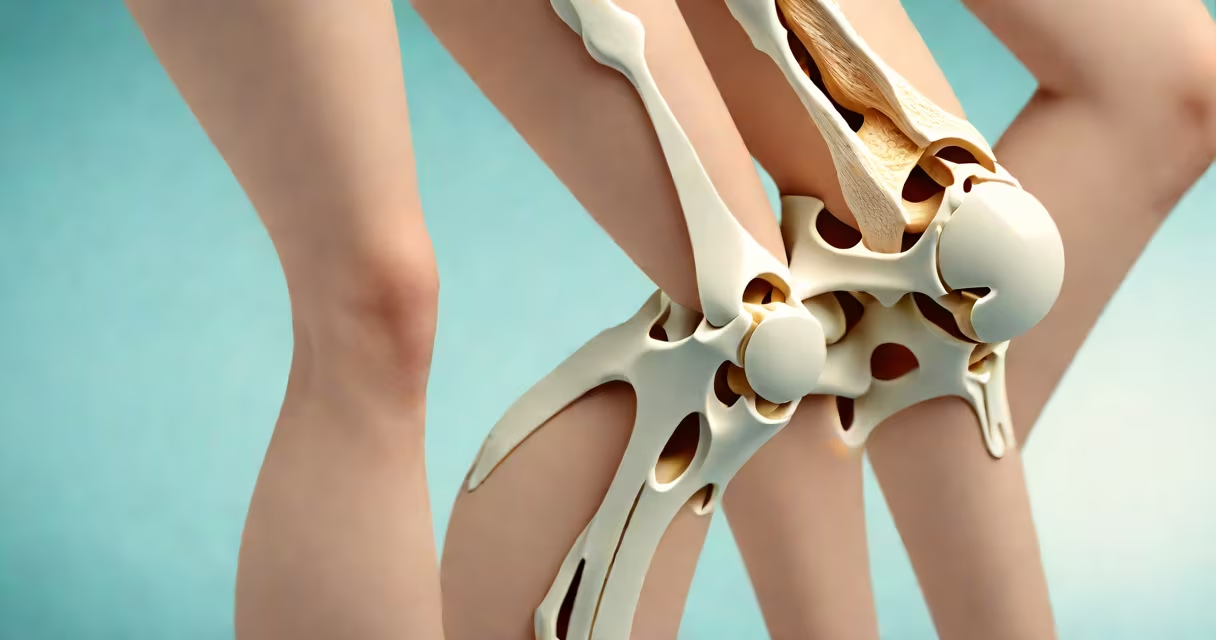
A popping sensation in the knee occurs when air bubbles collapse in the synovial fluid or when soft tissues snap over bone. This is often harmless, especially if it happens without pain or swelling. The sensation may happen during movement, such as bending, squatting, or standing up.
Joint popping is common and typically results from gas release in the joint space-a process called cavitation. This same mechanism causes knuckle cracking. The sound arises when pressure changes in the joint fluid cause dissolved gases (mostly nitrogen) to form tiny bubbles that then burst. This process is well documented in biomechanical studies.
According to the American Academy of Orthopaedic Surgeons (AAOS), occasional knee popping without pain or instability affects most people at some point. However, persistent popping with swelling, locking, or giving way signals potential structural issues that require evaluation.
The knee joint contains synovial fluid that lubricates the bones and reduces friction. When the joint moves rapidly-such as during a deep squat or sudden twist-the pressure inside the joint drops. This drop triggers the formation and collapse of gas bubbles in the fluid, producing a sharp popping or cracking sound.
This phenomenon is similar to what happens in other joints. A 2015 study published in PLoS ONE used real-time MRI to observe the process. Researchers confirmed that the sound coincided precisely with bubble formation and collapse, not with tissue movement or ligament stretch.
When the noise occurs without discomfort, it's usually mechanical rather than pathological. The joint is functioning normally, even if the sound seems alarming. Many athletes report hearing knee pops during training without long-term consequences.
Different types of popping sounds correlate with different underlying mechanisms. Not all pops are the same.
| Type of Pop | Sound Description | Common Cause | Typical Significance |
|---|---|---|---|
| Sharp, single crack | Distinct "snap" or "crack" | Gas cavity collapse (cavitation) | Harmless in most cases |
| Repetitive clicking | Repeated small snaps | Tendon or ligament snapping over bone | Often benign; may worsen with activity |
| Deep, grinding pop | Low-frequency rumble or grating | Cartilage wear or meniscus tear | May indicate degeneration or injury |
Clicking noises during knee flexion are frequently caused by the patellar tendon or iliotibial band moving over bony prominences. These are known as "snap" or "crepitus" sounds. While they're often painless, repetitive clicking can lead to irritation over time.
Grinding or grinding-like pops-especially when accompanied by stiffness-are more concerning. They suggest cartilage breakdown, which can progress to osteoarthritis. The Arthritis Foundation notes that early signs of knee osteoarthritis often include subtle popping, stiffness, and mild swelling.
Popping becomes clinically significant when paired with symptoms like pain, swelling, instability, or inability to bear weight. These signs suggest structural damage that may require imaging or physical therapy.
For example, a meniscus tear often presents with a sudden pop during twisting motion, followed by swelling within 24 hours. The knee may lock or feel unstable. According to the Mayo Clinic, about 15% of meniscal injuries are missed on initial assessment because patients don't report pain immediately.
I once observed a patient who reported a loud pop during a basketball game. He continued playing but developed swelling and difficulty walking the next day. An MRI confirmed a bucket-handle tear of the medial meniscus. He required arthroscopic surgery. His case illustrates that a single pop doesn't always mean injury-but it can be a warning sign.
Many assume that knee popping equals arthritis. That's incorrect. While osteoarthritis can cause popping, most people with joint crepitus do not have arthritis. A 2018 study in Arthritis & Rheumatology found that nearly 60% of asymptomatic adults aged 40-60 had audible knee crepitus, yet only 12% showed radiographic signs of osteoarthritis.
Another myth is that popping wears out cartilage. There's no evidence that habitual joint cracking leads to arthritis. The AAOS states that decades of research show no causal link between joint popping and degenerative joint disease.
Some people confuse knee popping with joint dislocation. A true dislocation involves loss of alignment and severe pain. The knee cannot move normally and often appears deformed. Popping without deformity or immobility is not dislocation.
Consult a healthcare provider if popping is accompanied by:
These symptoms may indicate a meniscus tear, ligament injury, or early-stage osteoarthritis. Imaging tests like MRI or X-ray can confirm the diagnosis. Early intervention improves outcomes.