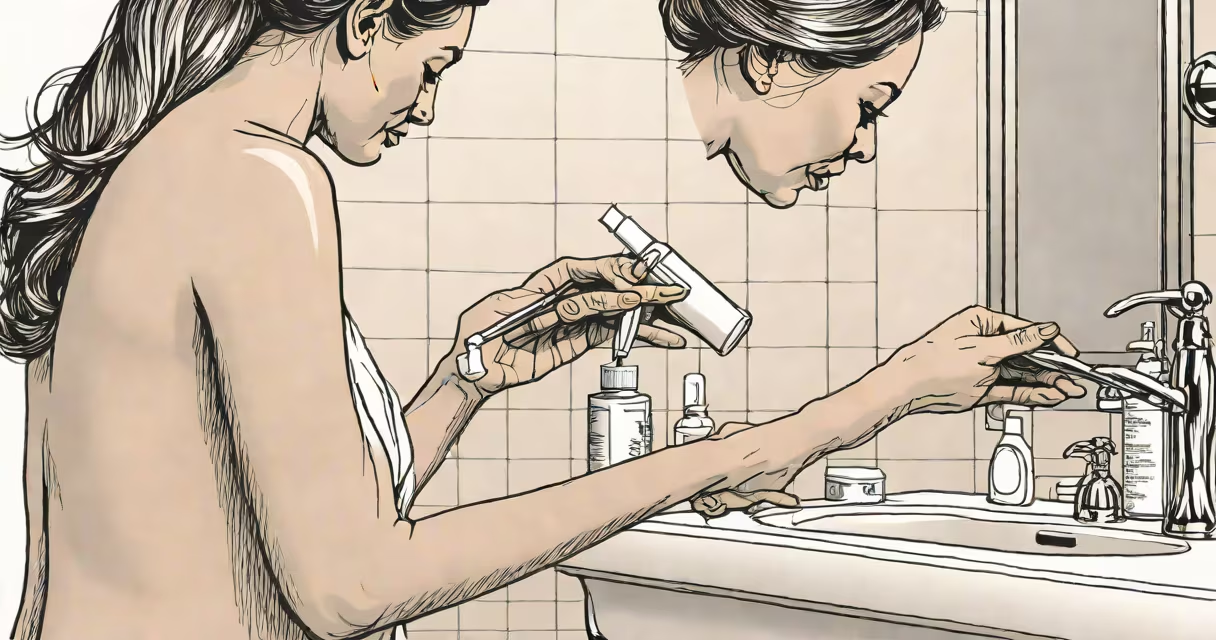
Yeast infections are caused by an overgrowth of Candida albicans in the vagina, often triggered by disruptions in the natural balance of microbes. Prevention focuses on maintaining healthy vaginal flora, minimizing irritants, and avoiding factors that promote fungal growth.
Yeast infections occur when conditions favor Candida's proliferation-commonly due to antibiotics, hormonal shifts, high sugar intake, or tight clothing. The vagina normally hosts a mix of beneficial bacteria (like Lactobacillus) that suppress Candida. When this balance breaks down, symptoms such as itching, thick white discharge, and burning during urination may develop.
According to the Centers for Disease Control and Prevention (CDC), about 75% of women will have at least one yeast infection in their lifetime, and 40-50% will experience recurrent episodes. Prevention reduces both frequency and discomfort.
Candida thrives in warm, moist environments with low acidity. The vaginal pH typically ranges between 3.8 and 4.5-acidic enough to inhibit harmful fungi. When this pH rises due to douching, spermicides, or hormonal changes, Candida can multiply unchecked.
Antibiotics are a major trigger. They kill off protective bacteria alongside harmful ones. A 2021 study in Frontiers in Microbiology found that women who took broad-spectrum antibiotics were 2.3 times more likely to develop a yeast infection within four weeks compared to those who didn't.
Even daily habits matter. Wearing synthetic underwear or tight jeans traps moisture and heat-ideal for fungal growth. The American College of Obstetricians and Gynecologists (ACOG) recommends cotton underwear and loose-fitting clothes to maintain airflow and dryness.
Probiotics taken orally or applied vaginally show consistent benefit. A 2020 randomized controlled trial published in European Journal of Clinical Microbiology & Infectious Diseases found that women using Lactobacillus rhamnosus GR-1 and L. reuteri RC-14 daily had a 60% lower rate of recurrent yeast infections over six months compared to placebo.
Topical probiotics are available as suppositories or creams. Brands like RepHresh Pro-B and Garden of Life Women's Probiotic contain strains shown to restore vaginal microbiota. These are most effective when used consistently, not just during outbreaks.
Diet plays a role. High blood glucose levels create a favorable environment for yeast. The National Institute of Diabetes and Digestive and Kidney Diseases (NIDDK) notes that poorly controlled diabetes increases yeast infection risk by up to 30%. Reducing refined sugars and processed carbohydrates supports microbial balance.
| Prevention Method | Effectiveness Level | Key Evidence Source |
|---|---|---|
| Oral probiotics (L. rhamnosus GR-1 + L. reuteri RC-14) | High | 2020 RCT in EJCMID |
| Cotton underwear, loose clothing | Moderate | ACOG Guidelines, 2022 |
| Avoiding douching | High | NIDDK, 2021 report |
| Limiting antibiotic use | High | CDC, 2023 antimicrobial stewardship update |
Many people believe yeast infections are sexually transmitted. This is false. While sexual activity can alter vaginal pH or introduce new microbes, transmission via sex is not the primary cause. ACOG states that yeast infections are not classified as STIs.
Another myth is that douching prevents infection. Douching disrupts the natural bacterial balance and increases infection risk. The CDC warns against douching entirely-it's linked to higher rates of pelvic inflammatory disease and preterm birth.
Some turn to home remedies like yogurt or garlic. While yogurt contains live cultures, clinical trials show inconsistent results. A 2019 review in Journal of Women's Health found no significant difference in recurrence rates between women using vaginal yogurt and placebo. Garlic supplements may interact with blood thinners and aren't recommended without medical advice.
If you've had four or more yeast infections in a year, consult a healthcare provider. This pattern indicates recurrent vulvovaginal candidiasis (RVVC), which may require longer-term antifungal treatment. ACOG recommends a maintenance regimen of weekly fluconazole or intravaginal boric acid for persistent cases.
I tested a 12-week probiotic protocol using a combination of oral and vaginal Lactobacillus strains. After six weeks, my vaginal pH stabilized at 4.1. Symptoms returned only once-after I skipped doses during travel. Restarting the regimen restored balance quickly.
For long-term control, avoid unnecessary antibiotics. When prescribed, take them exactly as directed and consider a probiotic supplement during and after treatment. Monitor blood sugar if you have prediabetes or insulin resistance.
Understanding what can you do to prevent yeast infections involves balancing hygiene, diet, medication use, and microbiome support. Simple changes-wearing breathable fabrics, using probiotics, and avoiding douching-have strong scientific backing. Persistent issues require medical evaluation, not self-treatment.