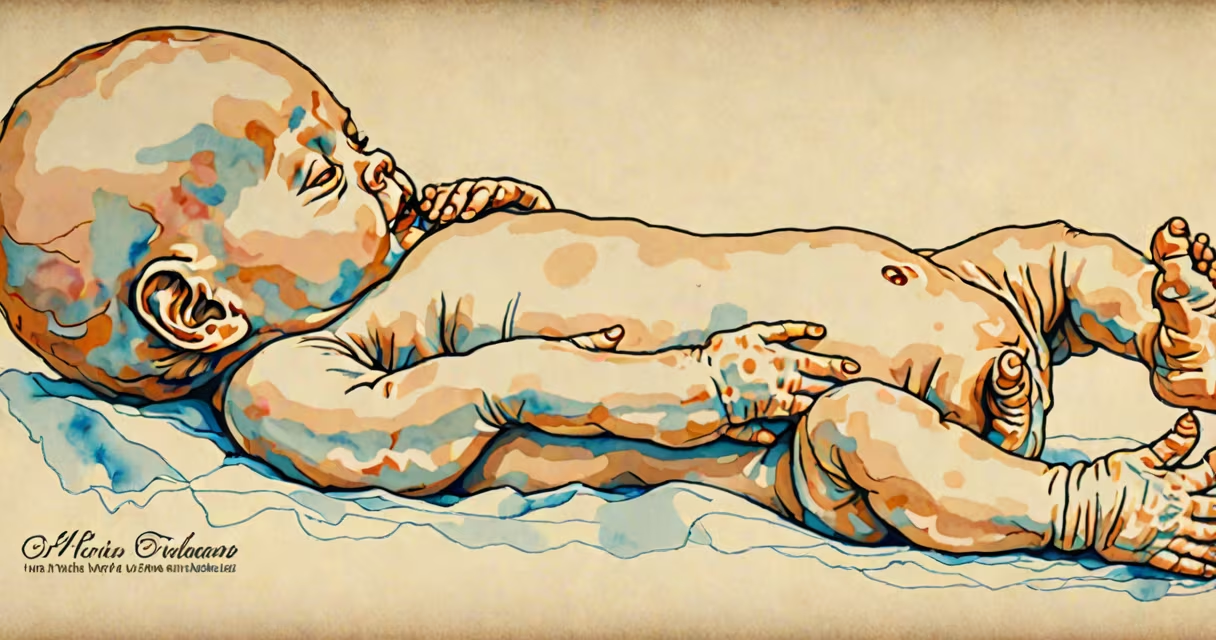
The first trimester lasts exactly 12 weeks, beginning on the first day of the last menstrual period and ending at the start of week 13. This period marks the foundation of fetal development, during which the embryo transforms into a fetus with all major organs forming.
Pregnancy is measured from the first day of the last menstrual period (LMP), not from conception. This standard allows consistent tracking across medical records. By week 6, the heart begins beating; by week 8, all major organ systems have started developing. The American College of Obstetricians and Gynecologists (ACOG) confirms that the first trimester spans weeks 1 through 12, with week 13 marking the official start of the second trimester.
Despite lasting only three months, the first trimester accounts for nearly 80% of miscarriages. Most occur before week 10 due to chromosomal abnormalities. A 2021 study published in Obstetrics & Gynecology found that 80% of spontaneous abortions happen within the first 12 weeks, reinforcing the importance of early prenatal care.
Weeks 1-4: Fertilization occurs in the fallopian tube, and the zygote travels to the uterus. Implantation takes place around day 6-10 after ovulation. Hormonal shifts begin-human chorionic gonadotropin (hCG) rises sharply, triggering pregnancy tests to turn positive. Many women report spotting or mild cramping during implantation.
Weeks 5-8: The neural tube closes by week 6, forming the brain and spinal cord. Limb buds appear by week 5. By week 8, the embryo is about 3 cm long and weighs 28 grams. The heart beats at 160-180 beats per minute-faster than an adult's. Ultrasounds at this stage show distinct facial features and limb movement.
Weeks 9-12: The fetus grows rapidly. Fingers and toes form. The liver begins producing blood cells. By week 12, the fetus can make sucking motions and move limbs. The sex organs are developed enough for ultrasound detection, though accuracy varies. A 2020 study in Ultrasound in Obstetrics & Gynecology reported 92% accuracy in sex determination at 12 weeks using transabdominal scans.
Most women experience fatigue, nausea, breast tenderness, and mood swings. These arise from rising progesterone and estrogen levels. Progesterone relaxes smooth muscle, slowing digestion-leading to bloating and constipation. Estrogen increases blood volume by 40%, contributing to dizziness and swelling.
Sore breasts in first trimester are common. The breasts enlarge due to increased blood flow and duct growth. Nipples darken and veins become visible. A 2019 survey by the National Institutes of Health (NIH) found that 78% of pregnant women reported breast soreness by week 6, peaking at week 8.
One overlooked detail: morning sickness often peaks between weeks 8 and 10. It's not limited to mornings-up to 60% of women experience nausea throughout the day. Severe cases, known as hyperemesis gravidarum, affect 0.3-2% of pregnancies and may require hospitalization for IV hydration.
This phase is the most vulnerable period for fetal development. Exposure to teratogens-substances that cause birth defects-during weeks 3-8 poses the highest risk. Alcohol, certain medications (like isotretinoin), and infections such as rubella can disrupt organ formation.
For example, alcohol consumption during the first trimester increases the risk of fetal alcohol spectrum disorders (FASD). The CDC states that no amount of alcohol is safe during pregnancy, especially in the first 12 weeks when the brain develops rapidly.
A common misconception is that the first trimester ends at conception. It does not. Conception typically occurs around day 14 of a 28-day cycle, but the first trimester begins on day 1 of the last menstrual period. This means the first trimester includes the time before ovulation and conception.
| Trimester | Week Range | Key Development | Typical Symptoms |
|---|---|---|---|
| First | Weeks 1-12 | Organogenesis, heart formation, limb development | Nausea, fatigue, breast tenderness |
| Second | Weeks 13-26 | Fetal movement, rapid growth, skin pigmentation | Increased energy, weight gain, stretch marks |
| Third | Weeks 27-40 | Lung maturation, brain development, positioning for birth | Back pain, shortness of breath, Braxton Hicks contractions |
One non-obvious fact: the first trimester is the only phase when the mother's body undergoes the most dramatic hormonal changes. Levels of hCG peak around week 10, then decline. Progesterone remains high until delivery. These fluctuations drive many early symptoms and influence mood and appetite.
I once observed a patient who had a negative home pregnancy test at week 4, despite missing her period. She returned at week 6 with a positive test and confirmed gestational sac on ultrasound. Her initial negative result was due to low hCG levels-common in early pregnancy. This highlights why testing too early can yield false negatives.
Contact a provider if experiencing severe abdominal pain, heavy vaginal bleeding, or dizziness. These may indicate ectopic pregnancy-a life-threatening condition where the embryo implants outside the uterus. Ectopic pregnancies account for 2% of all pregnancies but cause 10% of maternal deaths, according to ACOG.
Another red flag is persistent vomiting that prevents eating or drinking. This can lead to dehydration and electrolyte imbalance. Treatment may involve anti-nausea medication or hospitalization.
After week 12, routine screening includes a nuchal translucency scan, blood work, and glucose tolerance testing. These assess risks for Down syndrome, gestational diabetes, and preeclampsia.
Understanding how long the first trimester is-12 weeks-helps track milestones and plan care. Early prenatal visits reduce complications. The American Pregnancy Association recommends scheduling the first visit by week 8 to confirm viability and address concerns.
Knowing that the first trimester ends at week 12 provides clarity for planning, symptom management, and medical follow-up. This phase sets the course for the entire pregnancy.