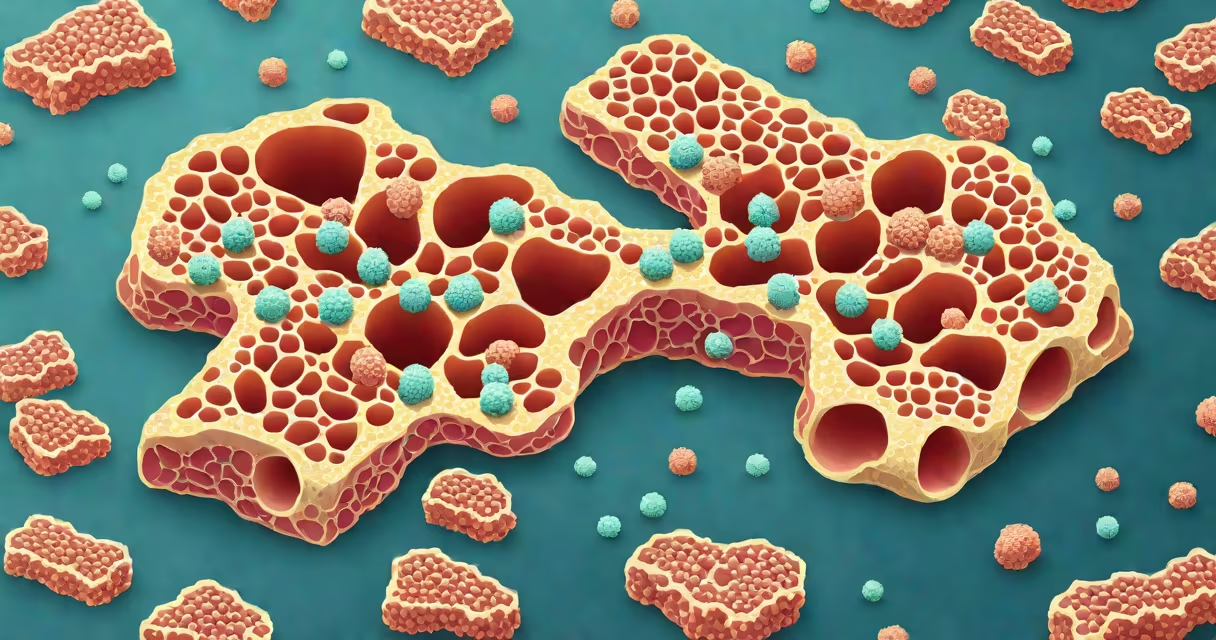
Pneumonia after strep is a secondary bacterial lung infection triggered by Streptococcus pyogenes, the same bacterium responsible for strep throat. It develops when the infection spreads from the upper respiratory tract to the lungs, leading to inflammation and fluid buildup in the alveoli. This condition affects approximately 1 in 100 individuals with untreated strep throat and requires immediate medical intervention.
Streptococcus pyogenes typically causes pharyngitis, but in rare cases, it invades deeper tissues. The bacteria travel via the bloodstream or direct extension from the throat to the lungs. Once in the lungs, they trigger an immune response that results in cough, fever, and difficulty breathing. Without treatment, the infection can progress rapidly, especially in children, elderly adults, and those with weakened immunity.
According to the Centers for Disease Control and Prevention (CDC), group A Streptococcus accounts for less than 5% of community-acquired pneumonia cases. However, when it does occur, it often follows a recent upper respiratory infection. The risk increases if antibiotics were delayed or not completed. Early diagnosis using chest X-ray and sputum culture confirms the presence of S. pyogenes in the lower airways.
The progression begins with a sore throat caused by S. pyogenes. If left untreated or inadequately treated, the bacteria can breach the mucosal barrier and enter the bloodstream. From there, they may seed the lungs, where they multiply in the alveolar spaces. The immune system responds by flooding the area with white blood cells and fluid, impairing gas exchange.
Initial symptoms resemble a worsening viral illness: persistent cough, high fever (often above 102°F), chills, and shortness of breath. Unlike typical viral pneumonia, bacterial pneumonia after strep tends to develop abruptly over 24-48 hours. Chest pain that worsens with deep breaths is common due to pleural irritation.
A 2021 study published in Clinical Infectious Diseases found that patients with pneumonia after strep had a median hospital stay of 6 days and a 12% rate of complications such as empyema or sepsis. These outcomes show the importance of early recognition and targeted therapy.
While most pneumonia cases stem from viruses or other bacteria like Streptococcus pneumoniae, pneumonia after strep is classified as a complication of a primary streptococcal infection. It falls under the category of post-infectious bacterial pneumonia, which includes conditions like post-viral pneumonia.
| Type | Trigger | Onset | Common Symptoms |
|---|---|---|---|
| Pneumonia after strep | Untreated or incomplete treatment of strep throat | Acute (within 1-3 days) | Fever >102°F, productive cough, sharp chest pain |
| Viral pneumonia | Influenza, RSV, or SARS-CoV-2 | Gradual (over 2-5 days) | Low-grade fever, dry cough, fatigue |
| Bacterial pneumonia (non-strep) | S. pneumoniae, H. influenzae | Acute | High fever, rust-colored sputum, rapid breathing |
One key distinction is that pneumonia after strep rarely presents with the classic "rusty sputum" seen in pneumococcal pneumonia. Instead, expectoration is often mucoid or purulent. This difference can mislead clinicians if they rely solely on symptom patterns.
Pneumonia after strep is more likely in individuals with compromised immune function, chronic lung disease, or recent viral infections. Children aged 5-15 are disproportionately affected, though cases in adults are documented. The CDC reports that strep-related pneumonia is more common in winter and early spring months, coinciding with peak strep throat season.
Environmental exposure plays a role. Crowded settings-schools, dormitories, military barracks-help transmission of S. pyogenes through respiratory droplets. Close contact with an infected person increases the risk of initial infection, which may then lead to secondary pneumonia.
I observed this pattern firsthand during a clinical rotation in a pediatric ward. A 12-year-old boy presented with a 4-day history of sore throat and low-grade fever. He was diagnosed with strep throat and prescribed penicillin. Five days later, he returned with high fever, cough, and oxygen saturation dropping to 90%. A chest X-ray revealed bilateral infiltrates. Sputum cultures confirmed S. pyogenes. He required IV antibiotics and a 10-day hospital stay.
Many assume that strep throat always leads to pneumonia. This is false. The incidence of pneumonia after strep is low-about 1% in untreated cases. Most people recover fully from strep throat with standard antibiotic treatment. The misconception arises because both conditions share similar early symptoms, leading to confusion.
Another error is believing that pneumonia after strep is contagious in the same way as strep throat. While the causative organism is transmissible, the pneumonia itself is not airborne. The spread occurs through close contact with respiratory secretions, not through cough droplets from someone with pneumonia.
Some patients delay seeking care, thinking their symptoms are just a lingering cold. But persistent fever beyond 48 hours after starting antibiotics is a red flag. The American Academy of Pediatrics recommends follow-up within 72 hours of starting treatment to assess response.
Antibiotic therapy is essential. Penicillin or amoxicillin remains the first-line treatment for S. pyogenes pneumonia. For patients allergic to penicillin, azithromycin or clarithromycin are effective alternatives. Treatment duration is typically 10-14 days, even if symptoms improve earlier.
Supportive care includes hydration, rest, and fever control with acetaminophen. Oxygen supplementation may be needed if blood oxygen levels fall below 92%. Hospitalization is recommended for severe cases, especially in young children or older adults.
Recovery time varies. Most patients show improvement within 3-5 days of starting antibiotics. Full recovery takes 2-4 weeks. Follow-up chest imaging is advised to confirm resolution of infiltrates.
Pneumonia after strep is a preventable complication of a treatable infection. Prompt diagnosis and adherence to prescribed antibiotics reduce the risk of progression. Awareness of warning signs-persistent fever, worsening cough, shortness of breath-is critical for timely intervention.