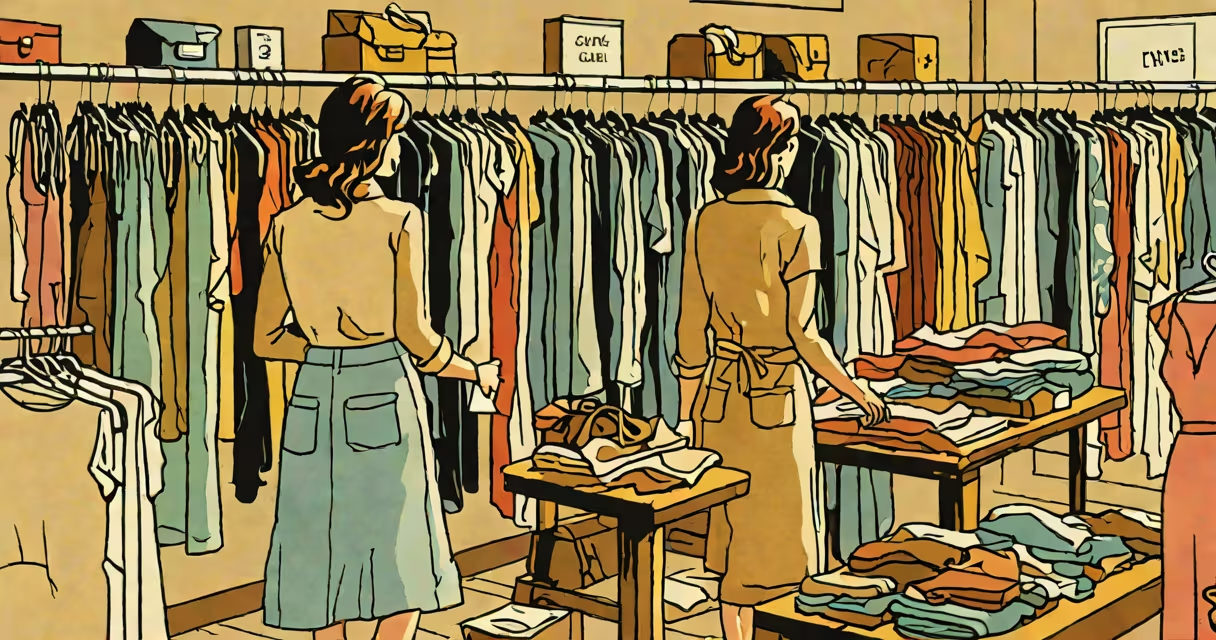
Places to sell clothes for money are physical and digital venues where individuals exchange used or new apparel for cash, typically through direct sales, consignment agreements, or platform-based listings. These channels vary in payout speed, commission rates, and audience reach.
Used clothing sells because demand exceeds supply. The global secondhand fashion market reached $36 billion in 2023 and is projected to grow at 10% annually through 2030, according to McKinsey & Company. This growth reflects both economic shifts and rising consumer interest in sustainable shopping. Selling clothes becomes a way to recoup value from items no longer worn.
Common platforms include online marketplaces like Poshmark, ThredUp, and eBay; brick-and-mortar consignment stores; and peer-to-peer networks such as Facebook Marketplace. Each model operates under different rules for pricing, shipping, and payment processing. Some charge fees, others take a percentage of the sale, and a few offer immediate cash payments upon pickup.
Each venue follows a distinct workflow. Online marketplaces require users to upload photos, write descriptions, set prices, and ship items themselves. Platforms then handle buyer communication and transaction completion. After the buyer receives the item and confirms receipt, funds are released to the seller's account, usually within 3-7 days.
Consignment shops accept garments on a commission basis. A store evaluates the item's condition, brand, and current demand. If accepted, the item is displayed for sale. When sold, the shop keeps 40%-60% of the retail price, depending on the agreement. The remaining portion goes to the owner. Items not sold within a set period (typically 60-90 days) are returned or donated.
Peer-to-peer platforms like Facebook Marketplace allow direct negotiation between buyers and sellers. Transactions happen locally, often in person. This reduces shipping costs and delays but increases risk of fraud or theft. Sellers must verify identities and inspect items before handing them over.
The table below compares common options based on payout speed, commission, audience size, and effort required.
| Platform Type | Payout Speed | Commission/Fee | Audience Size | Effort Level |
|---|---|---|---|---|
| Poshmark | 3-7 days after delivery confirmation | 10% fee + $2.99 shipping label | High (over 40 million monthly users) | Medium |
| ThredUp | 1-2 weeks after item is processed | Varies by item; average 20%-30% | Very high (10 million+ customers) | Low (drop-off service available) |
| Local consignment shop | 1-2 weeks after sale | 40%-60% of sale price | Low to medium (local clientele) | Low (drop off only) |
| Facebook Marketplace | Immediate (cash or digital transfer) | None (but no protection) | High (local network) | Medium (meeting in person) |
Not all platforms treat brand authenticity the same. For example, Poshmark verifies designer items through a "Verified" badge system. Items listed under this program undergo authentication checks before being shipped. This reduces fraud and increases buyer trust. ThredUp uses automated sorting systems to categorize items by brand, size, and condition, improving resale efficiency.
One lesser-known fact: many consignment shops accept donations from brands or retailers during seasonal clearance events. These items are sold at reduced prices, but the shop may pay more upfront than typical consignment rates. This creates opportunities for sellers to earn higher returns on high-end items, especially if they're part of a curated collection.
Many assume that selling clothes online guarantees quick cash. In reality, success depends on accurate photography, detailed descriptions, and competitive pricing. A poorly lit photo or vague description can delay sales by weeks. According to a 2022 study by the National Retail Federation, 43% of unsold listings on resale apps were due to poor product presentation.
Another misconception is that all consignment stores offer equal payouts. Some charge high storage fees or impose minimum sale thresholds. Others refuse items with visible wear, stains, or missing buttons. Before dropping off clothes, always ask about return policies and fee structures. Some shops charge $5-$10 per item for processing, even if it doesn't sell.
I once dropped off a designer handbag and three dresses at a local boutique. The store accepted two items but declined the bag due to a small tear near the zipper. They offered 50% of the listed price, which was $120. I accepted. The dress sold in 10 days and I received $60. The other dress remains unsold after 90 days. This experience taught me that condition matters more than brand name.
Start with high-demand categories. According to ThredUp's 2023 Resale Report, denim jeans, leather jackets, and vintage band tees consistently rank among the top-selling items. These categories see faster turnover and higher profit margins compared to seasonal wear or formal attire.
Use consistent lighting and a neutral background when photographing clothes. Natural light from a window works better than flash. Capture multiple angles, including close-ups of labels, stitching, and any flaws. Describe fabric type, care instructions, and fit (e.g., "true to size," "runs small"). Include measurements: chest, length, sleeve, waist.
Set prices slightly below market average to attract buyers quickly. A 2021 analysis by eBay found that listings priced 10% below comparable items sold 2.3 times faster. Once an item sells, adjust pricing for similar items based on performance data.
For maximum reach, list on multiple platforms. Use Poshmark for visibility and Facebook Marketplace for local buyers. Drop off high-value items at a reputable consignment shop with a strong reputation. Avoid listing on platforms that charge hidden fees or have unclear refund policies.
When selecting a venue, prioritize transparency. Check reviews on Google and Trustpilot. Look for clear policies on refunds, returns, and item handling. If a site doesn't disclose its fee structure upfront, avoid it.
Places to sell clothes for money aren't one-size-fits-all. Success comes from matching your inventory to the right platform, presenting items, and understanding how each venue handles payments and returns. With strategy, even modest wardrobes can generate meaningful income.