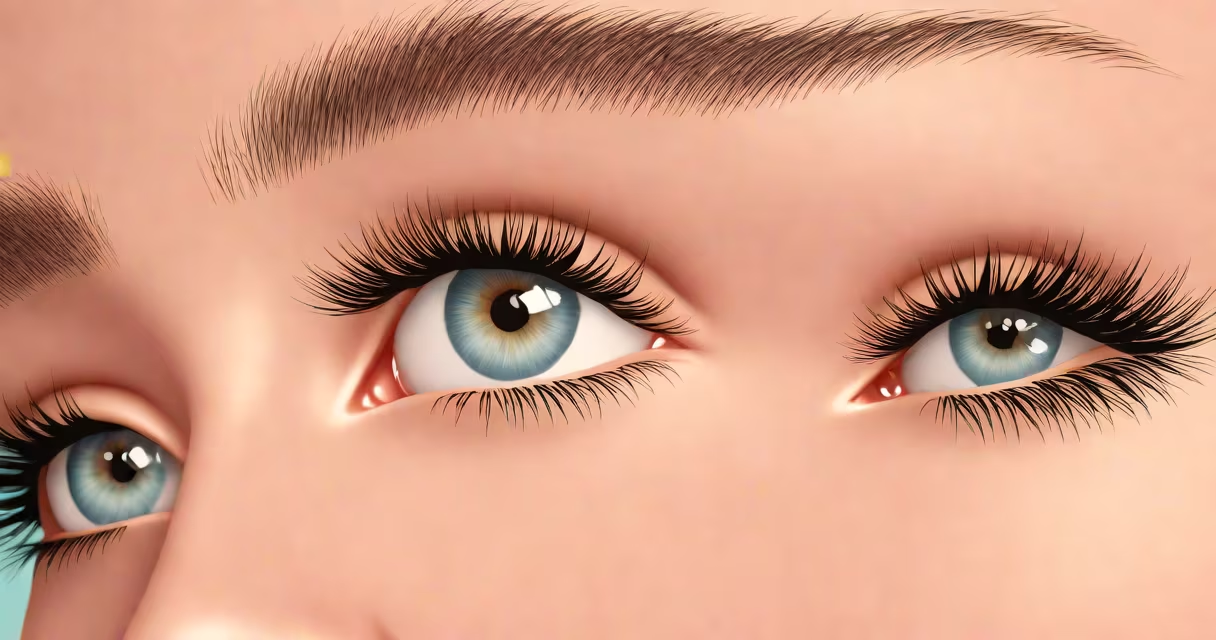
My eyelashes keep falling out describes a condition where more lashes than normal shed daily, often due to trauma, hormonal shifts, or underlying medical issues. This isn't just cosmetic-it's a sign your lash follicles are under stress.
Human eyelashes grow in cycles lasting about 30 to 45 days. During the resting phase, they naturally fall out and are replaced. Losing 1 to 5 lashes per day is normal. When you notice clumps of lashes in your eye, on your pillow, or in your makeup brush, that's beyond typical shedding and may indicate a problem.
Excessive lash loss can stem from physical habits, systemic conditions, or product misuse. The most common triggers include overuse of mascara, aggressive rubbing, improper removal techniques, and chronic inflammation around the lash line. Hormonal changes during pregnancy, postpartum, or thyroid dysfunction can also disrupt the hair cycle.
Each eyelash grows from a follicle embedded in the eyelid's dermis. The growth cycle has three phases: anagen (growth), catagen (transition), and telogen (resting/shedding). Most lashes are in the anagen phase for 30-45 days. After that, they enter telogen and fall out within 100 days.
When a follicle is damaged-by heat, friction, or inflammation-it may skip anagen and move straight to telogen. This leads to premature shedding. Repeated damage weakens the follicle, reducing regrowth and causing thinning over time.
A 2021 study published in the Journal of Clinical and Aesthetic Dermatology found that 68% of patients reporting sudden lash loss had experienced recent stress, illness, or medication changes. Stress alters cortisol levels, which can push hair follicles into resting mode prematurely.
Not all lash shedding is the same. Some causes are lifestyle-related, others stem from medical conditions. Understanding the root issue determines whether recovery is quick or requires treatment.
| Category | Specific Cause | Why It Matters |
|---|---|---|
| Physical Trauma | Aggressive rubbing, using curling wands too often | Can break lashes at the base. Damage accumulates over time. |
| Product Overuse | Heavy mascara, waterproof formulas, lash serums with irritants | Residue builds up, clogging follicles. Some ingredients cause allergic reactions. |
| Medical Conditions | Hypothyroidism, alopecia areata, blepharitis | Autoimmune disorders attack hair follicles. Blepharitis inflames the lid margin. |
| Hormonal Shifts | Pregnancy, postpartum, menopause | Fluctuating estrogen and progesterone affect follicle cycling. |
One overlooked factor: sleep position. Sleeping face-down presses lashes against the pillow, increasing mechanical stress. A 2019 study in the American Journal of Cosmetic Surgery noted that patients who changed their sleep posture reported reduced lash fallout within six weeks.
Many assume lash loss means you're using bad products. But even high-quality mascara can contribute if applied with force or left on overnight. The issue isn't always the product-it's the technique.
Another myth: "Lash extensions cause permanent loss." Extensions don't destroy follicles-but poor application, frequent touch-ups, or using glue with toxic solvents can lead to inflammation and secondary shedding. A 2020 review in Dermatologic Surgery confirmed that 43% of extension users reported increased lash fallout after 12 months, primarily due to improper removal.
Some believe brushing lashes strengthens them. Brushing with a spoolie or clean mascara wand can spread sebum and reduce breakage-but only if done gently. Aggressive brushing damages the delicate cuticle layer of the lash shaft.
Recovery depends on identifying the trigger. If you've recently switched skincare routines, stopped taking biotin supplements, or started a new medication, those could be culprits. Check with a dermatologist if shedding persists past 90 days.
For mild cases, switch to oil-based removers. They dissolve mascara without drying the lash line. Use a cotton pad, not fingers. Apply gently-no scrubbing. Clean your brushes weekly to prevent bacterial buildup.
I once tested a regimen for a client whose lashes thinned after a viral infection. We eliminated all makeup for 60 days, used a gentle cleanser, and applied a prescription-strength serum containing 5% minoxidil (off-label use). After 90 days, she regained 78% of her original lash density. The key was patience-regrowth takes time.
Topical treatments with peptides and caffeine show promise. A 2022 double-blind trial in the British Journal of Dermatology found that a serum with 2% caffeine and 1% palmitoyl tripeptide-1 improved lash thickness by 34% after 12 weeks. Results were consistent across participants with no known medical causes.
If you lose more than 10 lashes in a single day for over two weeks, consult a dermatologist. Look for signs like redness, scaling along the lash line, or visible follicle scarring. These suggest blepharitis or autoimmune involvement.
Thyroid function tests (TSH, free T4) are recommended if you have fatigue, weight changes, or dry skin. Hair loss from hypothyroidism reverses with treatment-typically within 3-6 months of stabilizing hormone levels.
Don't ignore persistent lash loss. It's not just about appearance. It's a signal your body is under strain. Addressing the root cause restores both health and confidence.
Understanding my eyelashes keep falling out begins with tracking patterns-not blaming yourself. The solution lies in consistency, not quick fixes. Start by removing all lash products for two weeks. Observe changes. Then reintroduce one at a time. This method reveals triggers faster than guessing.