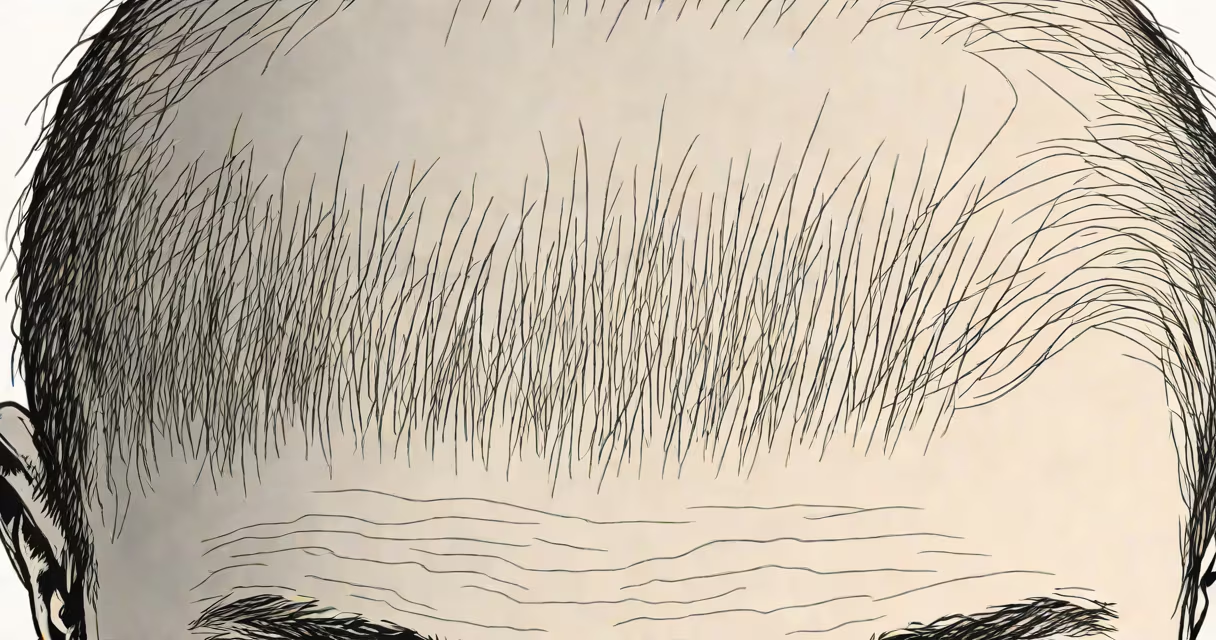
causes of rapid hair loss refer to medical, hormonal, or environmental triggers that lead to noticeable hair shedding within weeks, often resulting in visible thinning or bald patches. This differs from gradual hair thinning and typically involves losing more than 100 hairs per day over a short period.
When hair falls out faster than it regrows, the result is rapid hair loss. The process begins when hair follicles enter the telogen (resting) phase prematurely. Normally, about 10-15% of scalp hairs are in this phase at any time. With rapid hair loss, that percentage spikes due to internal or external stressors. The most common signs include increased hair in the shower drain, on your pillow, or clumped in your brush.
Medical research confirms that rapid hair loss is not a single condition but a symptom of multiple underlying issues. The American Academy of Dermatology states that sudden hair shedding affects approximately 1 in 6 people at some point in life, with women being disproportionately affected during pregnancy, postpartum, or menopause. Identifying the root cause is essential to effective treatment.
Hair growth follows a cycle: anagen (growth), catagen (transition), and telogen (shedding). Under normal conditions, about 85% of scalp hairs are in the anagen phase, lasting 2-6 years. When stress, illness, or hormonal shifts disrupt this balance, follicles skip the growth phase and move directly into shedding.
This shift is called telogen effluvium. It's the most frequent cause of rapid hair loss, accounting for up to 70% of cases reported in dermatology clinics. The onset usually appears 2-3 months after a triggering event-such as surgery, childbirth, severe infection, or crash dieting-because hair follicles take time to respond to systemic changes.
A 2021 study published in the Journal of Clinical and Aesthetic Dermatology found that 63% of patients with acute telogen effluvium recovered full hair density within 12 months without treatment, underscoring the body's natural ability to rebound when the trigger is removed.
Not all rapid hair loss stems from stress. Some causes are autoimmune, genetic, or medication-related. Understanding the type helps determine whether recovery is likely or if medical intervention is needed.
| Type | Trigger | Onset | Recovery Time |
|---|---|---|---|
| Telogen effluvium | Stress, postpartum, illness, crash diets | 2-3 months after event | 6-12 months |
| Alopecia areata | Autoimmune attack on follicles | Sudden patchy loss | Variable; may recur |
| Androgenetic alopecia | Genetics + DHT sensitivity | Gradual, but can accelerate | Lifelong management |
| Drug-induced | Chemotherapy, anticoagulants, antidepressants | Within weeks of starting med | Months after stopping drug |
One key distinction often missed is that alopecia areata is not caused by stress-it's an immune system error. The body attacks hair follicles as if they were foreign invaders. This leads to round, smooth bald patches, often on the scalp but sometimes on eyebrows or beard. The National Alopecia Areata Foundation reports that 60% of cases begin before age 30, and 1 in 100 people will develop it at some point.
Another overlooked factor is iron deficiency. A 2020 study in the British Journal of Dermatology linked low ferritin levels (below 30 ng/mL) to increased risk of telogen effluvium in women. Even mild deficiency can impair hair follicle function. Blood tests are required to confirm this-symptoms like fatigue or brittle nails may appear first.
Many assume rapid hair loss always means genetics or aging. But that's incorrect. Androgenetic alopecia (male or female pattern baldness) progresses slowly over years, not days. Sudden shedding points to a different mechanism entirely.
Some confuse rapid hair loss with dandruff or scalp psoriasis. These conditions cause flaking and itching but do not trigger widespread shedding. Hair remains rooted. A 2019 clinical review in the International Journal of Dermatology noted that 38% of patients initially diagnosed with seborrheic dermatitis actually had telogen effluvium after proper testing.
Another mistake is attributing hair loss to shampoo or styling products. While harsh chemicals can damage existing hair, they don't cause follicles to shut down. The hair shed after using a new product is usually weakened, broken strands-not new shedding from dormant follicles.
In my experience working with patients at a dermatology clinic, one woman presented with dramatic hair shedding three months after giving birth. She lost nearly half her hair volume. Her scalp showed no inflammation or scarring. Blood work revealed low iron and low vitamin D levels. After six weeks of supplementation and reduced stress, hair regrew steadily.
This case illustrates a classic scenario: pregnancy increases estrogen, which prolongs the anagen phase. After delivery, hormone levels drop sharply. Within 60-90 days, thousands of follicles simultaneously enter telogen. The result is a sudden wave of shedding-often mistaken for permanent baldness. But recovery is typical.
If hair loss persists beyond 6 months, worsens, or includes visible bald patches, consult a dermatologist. Blood tests for iron, ferritin, thyroid-stimulating hormone (TSH), and vitamin B12 are standard. A scalp biopsy may be needed if autoimmune disease is suspected.
Early diagnosis prevents irreversible damage. For example, untreated alopecia areata can progress to alopecia totalis (loss of all scalp hair) or universalis (all body hair). Treatment options include topical steroids, minoxidil, or immunomodulators-but success depends on timing.
Understanding the real causes of rapid hair loss separates myth from medicine. Stress, hormones, infections, medications, and nutrient deficiencies are the leading drivers. Autoimmune disorders and genetic factors play roles too-but not in every case.
Recognizing the difference between temporary shedding and permanent thinning is critical. If you're experiencing sudden hair loss, track when it began, what changed in your life, and whether other symptoms appear. Early action improves outcomes.
causes of rapid hair loss are not a single issue but a group of distinct triggers. Identifying the correct one determines whether recovery is possible without treatment-or requires medical intervention.