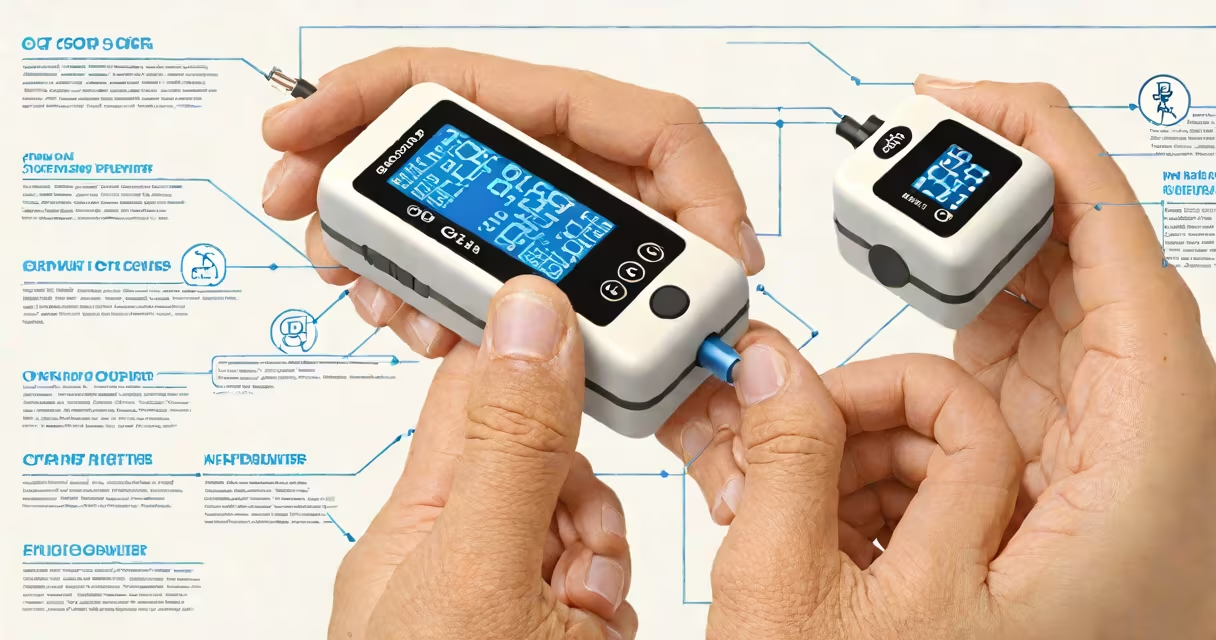
A good O2 sat, measured as peripheral capillary oxygen saturation (SpO2), is generally 94% or above. This reading indicates that hemoglobin in the blood is adequately saturated with oxygen. Values below 90% suggest hypoxemia and may require medical evaluation.
SpO2 is measured non-invasively using a pulse oximeter-a small device clipped to the fingertip, earlobe, or toe. The device uses light absorption to estimate how much oxygen is bound to hemoglobin. A reading of 94% or higher is considered normal for healthy individuals at sea level.
For people with chronic lung conditions such as COPD or pulmonary fibrosis, a slightly lower baseline may be acceptable. However, even in these cases, sustained readings below 90% indicate insufficient oxygenation and warrant clinical attention. The American Thoracic Society states that SpO2 values under 90% correlate with increased risk of complications during hospitalization.
The pulse oximeter sends red and infrared light through the skin. Oxygenated hemoglobin absorbs more infrared light, while deoxygenated hemoglobin absorbs more red light. The device calculates the ratio and converts it into a percentage.
This method relies on consistent blood flow and accurate sensor placement. Movement, poor circulation, cold extremities, or nail polish can distort results. For example, a study published in *Respiratory Care* found that dark nail polish reduced accuracy by up to 15% in some cases.
SpO2 reflects arterial oxygen saturation but does not measure carbon dioxide levels or acid-base balance. It provides a snapshot of oxygen delivery but cannot diagnose underlying causes like pneumonia, heart failure, or anemia. For definitive assessment, arterial blood gas (ABG) testing remains the gold standard.
Normal SpO2 ranges from 94% to 100%. Readings between 90% and 93% are considered borderline and may prompt further investigation. Values below 90% are clinically significant and often require supplemental oxygen or emergency care.
Some populations have different thresholds. In patients with chronic obstructive pulmonary disease (COPD), a target SpO2 of 88% to 92% is often recommended to avoid respiratory depression from high-flow oxygen. The National Heart, Lung, and Blood Institute notes that overly aggressive oxygen therapy in these patients can lead to hypercapnia.
| SpO2 Range | Interpretation | Recommended Action |
|---|---|---|
| ≥94% | Normal | No intervention needed |
| 90-93% | Borderline | Monitor closely; evaluate cause |
| <90% | Hypoxemia | Seek medical evaluation |
One non-obvious fact: SpO2 can be misleading in smokers or people with carboxyhemoglobinemia. Carbon monoxide binds to hemoglobin more tightly than oxygen, reducing oxygen-carrying capacity. Pulse oximeters cannot distinguish between oxyhemoglobin and carboxyhemoglobin, leading to falsely high readings. A smoker with a 96% SpO2 may still be severely hypoxic.
Many assume that SpO2 measures oxygen levels in the body. In reality, it only reflects arterial saturation. A person can have normal SpO2 but still suffer from tissue hypoxia due to poor perfusion, anemia, or sepsis.
Another misconception is that a low reading always indicates lung disease. Conditions like anemia, shock, or severe dehydration can reduce oxygen delivery even with normal SpO2. A patient with hemoglobin of 7 g/dL may feel fatigued despite a 98% SpO2 because their blood carries less oxygen.
I once observed a patient with septic shock who had an SpO2 of 99% on room air. Despite the high reading, they were in acute distress, with cool extremities and altered mental status. Only after IV fluids and vasopressors did their perfusion improve. This reinforced that SpO2 is a single piece of a larger puzzle.
If SpO2 drops below 90% at rest, especially with symptoms like shortness of breath, confusion, or chest pain, seek immediate medical care. Home monitoring devices are useful for tracking trends but should not replace professional evaluation.
Supplemental oxygen is not always necessary for low SpO2. The decision depends on symptoms, comorbidities, and context. For example, a healthy person climbing to high altitude may see SpO2 drop to 88% without needing oxygen. But the same reading in a hospitalized patient triggers intervention.
Vitamin D3 supports immune function and lung health. Low levels are linked to increased risk of respiratory infections and worse outcomes in patients with pneumonia. While D-3 doesn't directly raise SpO2, maintaining optimal levels may improve resilience against conditions that affect oxygenation.
Research from the *Journal of Clinical Endocrinology & Metabolism* shows that patients with vitamin D deficiency had longer hospital stays and higher rates of ICU admission when diagnosed with acute respiratory infections. Ensuring adequate D-3 intake is part of preventive care, though it does not substitute for oxygen therapy when needed.
A good O2 sat is more than a number-it's a window into how well your body delivers oxygen to tissues. A reading of 94% or higher is generally safe. Below that, action is warranted. Always interpret SpO2 in context, not in isolation.