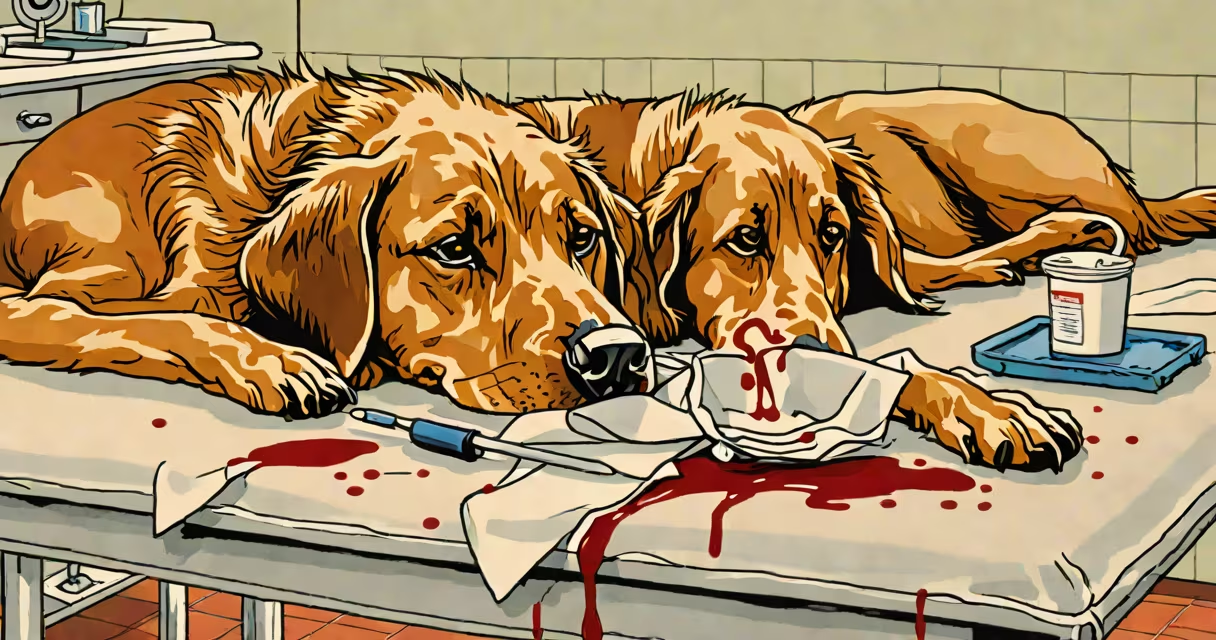
When a dog vomits blood and passes blood in their stool, it signals a severe medical emergency requiring immediate veterinary evaluation. This combination of symptoms points to significant gastrointestinal bleeding, which can stem from infections, toxins, parasites, internal obstructions, or systemic diseases.
Blood in vomit (hematemesis) and blood in stool (hematochezia or melena) are distinct but often co-occurring signs of internal distress. Hematemesis appears as bright red streaks or coffee-ground-like material, indicating upper GI tract bleeding. Hematochezia-bright red blood in loose stools-suggests lower intestinal or colonic involvement. Melena, black, tarry feces, results from digested blood in the upper GI tract and is a sign of advanced bleeding.
According to the American Kennel Club, sudden onset of bloody vomiting and diarrhea can indicate parvovirus, especially in unvaccinated puppies. The Centers for Disease Control and Prevention notes that ingestion of rat poison (anticoagulants) leads to internal hemorrhaging, including blood in both vomit and stool. These conditions progress rapidly without treatment.
The gastrointestinal tract is a continuous tube from mouth to anus. When damage occurs anywhere along this path-whether from infection, trauma, or disease-blood can enter the digestive contents. The presence of blood in both vomit and stool suggests widespread mucosal injury or systemic issues affecting multiple segments of the gut.
Common mechanisms include inflammation from bacterial overgrowth (like Clostridium difficile), parasitic infestations (such as hookworms or whipworms), or physical obstruction from ingested foreign objects. Ingestion of toxic substances-such as xylitol, certain medications, or household cleaners-can cause acute ulceration and bleeding in the stomach lining.
A 2021 study published in Veterinary Record found that 68% of dogs presenting with hematemesis and hematochezia had confirmed gastrointestinal pathology via endoscopy or ultrasound. In 41% of cases, the cause was infectious (bacterial or viral), while 29% involved neoplasia (tumors) or inflammatory bowel disease.
Not all blood in stool or vomit has the same origin. The color, consistency, and timing help differentiate between upper and lower GI bleeding.
| Symptom | Color & Appearance | Probable Source | Common Causes |
|---|---|---|---|
| Bright red blood in stool | Red, fresh, sometimes clotted | Lower GI tract (colon, rectum) | Hemorrhoids, anal gland abscess, colitis, tumors |
| Black, tarry stool (melena) | Dark, sticky, foul-smelling | Upper GI tract (stomach, small intestine) | Ulcers, NSAID toxicity, gastric torsion, clotting disorders |
| Bright red blood in vomit | Red liquid or clots | Stomach or esophagus | Severe gastritis, swallowed blood from nosebleed, trauma |
| Coffee-ground vomit | Dark brown, granular | Stomach lining | Peptic ulcers, stress-induced bleeding, liver disease |
One non-obvious distinction: blood from the rectum may appear fresh and separate from stool, while blood from the stomach mixes with gastric acid and turns dark. Misidentifying the source delays proper diagnosis.
Some owners assume occasional blood in stool is due to dietary indiscretion-like eating raw meat or bones. While minor traces can occur, persistent or large-volume blood is never normal. A single episode of bloody stool after eating something unusual doesn't justify waiting.
Another misconception is that diarrhea alone explains the blood. But blood in stool is not the same as watery diarrhea. Bloody diarrhea (dysentery) implies inflammation or ulceration. Parvovirus, for example, causes severe bloody diarrhea with high fever, lethargy, and dehydration-symptoms that worsen within 24 hours.
I once observed a 3-year-old Labrador mix brought in after two days of vomiting blood and passing bright red blood in stool. The owner thought it was "just a stomach upset." On examination, the dog had a ruptured spleen from a previous trauma. Emergency surgery saved the dog. This case highlights that blood in both vomit and stool demands urgent attention-even if the dog seems otherwise alert.
Do not wait. Contact your veterinarian or an emergency animal clinic within 30 minutes of noticing blood in vomit or stool. Time is critical. Dehydration, shock, and organ failure can develop rapidly.
Collect samples: place a small amount of vomit and stool in a sealed container. Bring them to the vet. Avoid giving food, water, or home remedies. Some treatments (like activated charcoal) can interfere with diagnostics.
Diagnosis typically involves blood work, fecal testing, abdominal imaging (ultrasound or X-ray), and possibly endoscopy. Treatment depends on the cause: antibiotics for infection, dewormers for parasites, fluid therapy for dehydration, or surgery for obstructions or perforations.
If your dog is vomiting blood and pooping blood, the condition is not mild. It is not a symptom to monitor at home. Delaying care reduces survival chances. Early intervention improves outcomes.
Understanding the difference between minor gastrointestinal upset and life-threatening bleeding is essential. My dog is being sick and pooping blood is not a situation to manage with home remedies or observation. It requires professional diagnosis and treatment.