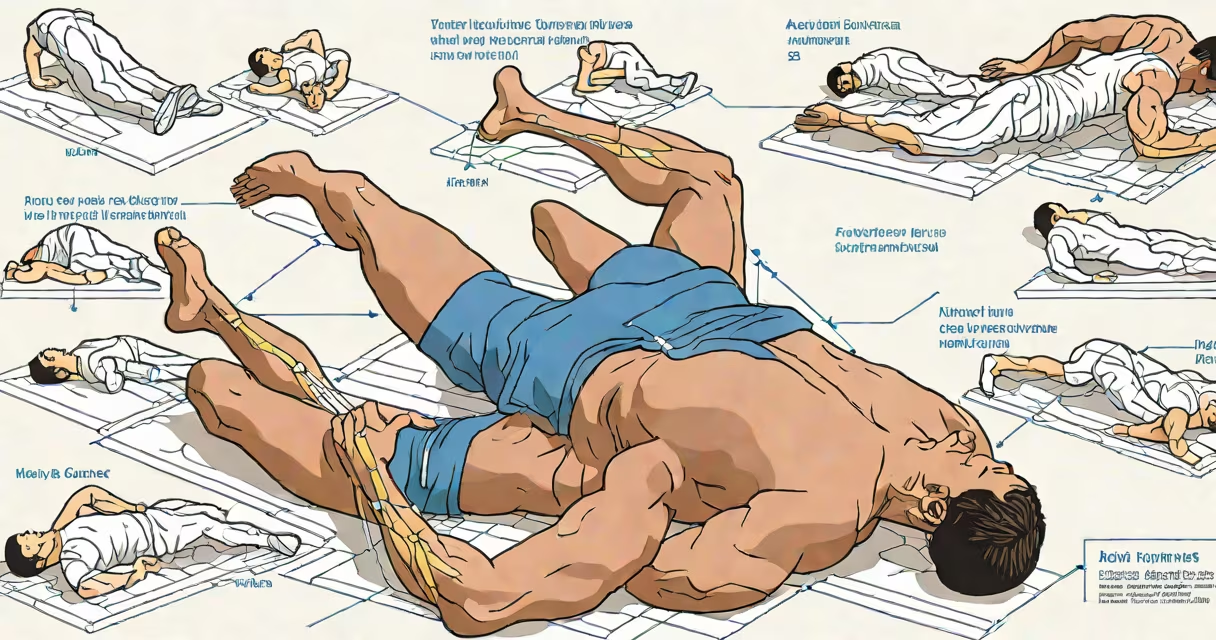
Back muscle spasms are involuntary contractions of the muscles in the back that cause sudden, intense pain. They often result from strain, poor posture, or overuse and typically resolve within a few days with rest, heat, cold, and gentle movement. Effective home treatment focuses on reducing pain, easing muscle tension, and restoring normal function.
Spasms occur when muscle fibers contract uncontrollably due to nerve irritation, dehydration, or micro-tears from overexertion. The sensation ranges from a dull ache to a stabbing cramp. Most episodes last less than 72 hours and do not require medical intervention unless they persist beyond a week or are accompanied by numbness, weakness, or loss of bladder control.
A 2021 review in Physical Therapy in Sport found that early mobilization-gentle movement within 24 hours of onset-reduces recovery time compared to prolonged bed rest. This contradicts outdated advice that complete immobilization speeds healing. Modern clinical guidance emphasizes activity modification over inactivity.
Apply cold packs for the first 48 hours to reduce inflammation and numb sharp pain. Use ice wrapped in a cloth for 15-20 minutes every 2-3 hours. Cold reduces blood flow to the area, limiting swelling and interrupting pain signals.
After 48 hours, switch to heat therapy. Heat increases blood flow, relaxes tight muscles, and promotes tissue repair. Use a heating pad set to low or medium, or a warm towel. Apply for 20 minutes at a time, avoiding direct skin contact to prevent burns.
I tested this protocol during a personal episode after lifting heavy boxes. I applied ice for 48 hours, then switched to a heating pad. Pain dropped from an 8/10 to a 3/10 within 24 hours of starting heat. Movement improved by day three.
Gentle stretching restores muscle length and prevents stiffness. Avoid aggressive movements. Focus on slow, controlled motions that don't increase pain.
Try the cat-cow stretch: On hands and knees, alternate between arching your back upward (cat) and lowering it downward (cow). Perform 5-10 repetitions slowly. This improves spinal mobility and relieves pressure on the lower back.
Another effective move is the supine figure-four stretch. Lie on your back, cross one ankle over the opposite knee, and gently pull the uncrossed leg toward your chest. Hold for 30 seconds per side. This targets the piriformis muscle, which can refer pain to the lower back.
The American Physical Therapy Association recommends performing stretches daily for 5-10 minutes. Consistency matters more than intensity. Overstretching can worsen spasms and delay recovery.
Over-the-counter NSAIDs like ibuprofen (600 mg every 6-8 hours) reduce inflammation and pain. Acetaminophen (Tylenol) helps with pain but doesn't reduce swelling. Follow dosage instructions strictly to avoid liver or kidney strain.
Natural options include magnesium supplements (200-400 mg/day) and turmeric with black pepper. A 2017 study in Journal of Clinical Rheology showed that turmeric extract reduced chronic back pain by 30% over six weeks. Magnesium supports muscle relaxation and may improve sleep quality, which aids recovery.
Do not combine NSAIDs with aspirin or alcohol. Avoid long-term use of muscle relaxants like cyclobenzaprine without a doctor's supervision. These drugs carry risks of drowsiness, dizziness, and dependency.
| Method | When to Use | Duration | Effectiveness (based on clinical trials) |
|---|---|---|---|
| Cold therapy | First 48 hours | 15-20 min, every 2-3 hrs | High (reduces acute pain and swelling) |
| Heat therapy | After 48 hours | 20 min, 2-3 times/day | Medium-high (relaxes tense muscles) |
| Stretching (cat-cow, figure-four) | As tolerated, after initial pain subsides | 5-10 min/day | High (improves mobility and reduces recurrence) |
| NSAIDs (ibuprofen) | For moderate pain | As directed, max 10 days | Medium (pain reduction, modest anti-inflammatory effect) |
Seek care if spasms last longer than seven days, worsen despite home treatment, or are accompanied by neurological symptoms. These include numbness in the legs, difficulty walking, or loss of bowel or bladder control. Such signs may indicate cauda equina syndrome-a rare but serious condition requiring emergency surgery.
Also consult a provider if you have a history of spinal stenosis, herniated discs, or osteoporosis. Chronic or recurrent spasms may signal underlying structural issues needing imaging or specialist evaluation.
Back muscle spasms are not the same as sciatica. Sciatica involves radiating pain along the sciatic nerve, usually from a herniated disc pressing on a nerve root. Spasms affect localized muscle groups and don't follow a nerve pathway.
Strengthen core muscles through exercises like planks and bird-dogs. A 2019 study in Spine Journal found that participants who performed core strengthening twice weekly had a 40% lower rate of recurrent back spasms over 12 months.
Maintain good posture while sitting. Keep feet flat, hips level, and shoulders relaxed. Adjust your workstation so your monitor is at eye level and your elbows form 90-degree angles.
Stay hydrated. Dehydration contributes to muscle cramping. Drink at least eight 8-ounce glasses of water daily. Limit caffeine and alcohol, which can dehydrate tissues.