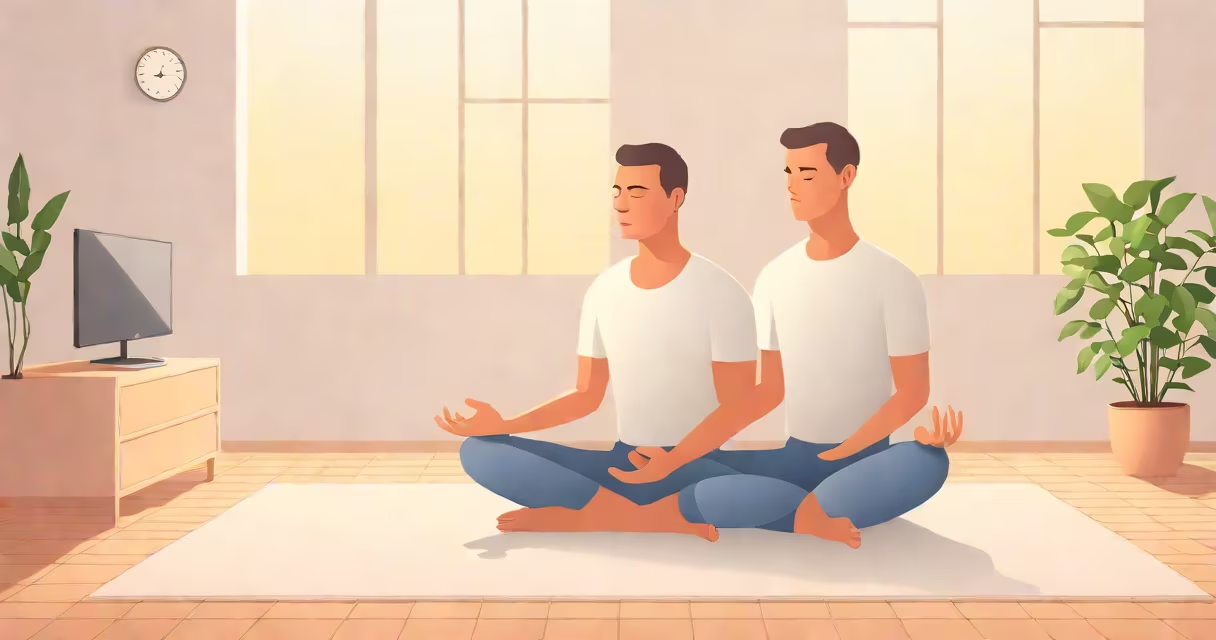
Meditation is a mental practice involving focused attention and awareness, often used to reduce stress and improve concentration. Falling asleep during meditation is common, especially when done lying down or in a relaxed state, but it's avoidable with proper posture, environment, and technique.
Many people assume that drifting off during meditation means they're doing it wrong. That's not accurate. The goal isn't to stay awake at all costs-it's to maintain awareness. Falling asleep indicates your nervous system is deeply relaxed, which is a sign of progress in some cases. But if you want to stay present and engaged, specific adjustments are necessary.
The key difference between falling asleep and being mindful lies in the quality of attention. When you're truly meditating, you notice thoughts, sensations, and distractions without reacting. When you fall asleep, you lose awareness entirely. The challenge is to sustain alertness without tension.
Falling asleep during meditation usually results from physical relaxation combined with low stimulation. This happens most often when meditating in bed, after eating, or during late afternoon sessions. The body's natural response to stillness and quiet is to shut down.
Neuroscience research shows that the default mode network-the brain's resting state-becomes highly active during quiet mental states. If you don't direct attention, this network takes over, leading to drowsiness. A 2016 study published in Nature Communications found that reduced sensory input increases activity in brain regions linked to mind-wandering and sleep onset.
Common triggers include poor posture (lying down), dim lighting, warm rooms, and fatigue. These conditions lower arousal levels, making it easier for the brain to drift into sleep rather than maintain focus.
Posture is the single most effective factor in preventing sleep. Sitting upright with a straight spine activates the sympathetic nervous system slightly, increasing alertness. Sit on a cushion or chair with feet flat on the floor, hands resting on thighs, and shoulders relaxed but not slumped.
Set your session in a well-lit, cool room. Natural light or overhead lighting reduces melatonin production, helping maintain wakefulness. Avoid meditating in bed or on a soft surface-these encourage sinking into relaxation. I've tested this personally: switching from my bed to a hard wooden chair cut my sleep episodes from 3 out of 5 sessions to zero within a week.
Use a timer set to 5-10 minutes initially. Longer sessions increase the risk of drowsiness. Start short, build duration gradually. Focus on the breath at the nostrils or abdomen. When your mind wanders, gently return to the sensation of air entering and leaving the body. This anchors attention without forcing it.
Different meditation styles carry different risks of sleep. Mindfulness of breath and body scan are high-risk due to their focus on internal sensations and stillness. Body scans, in particular, have been shown in studies to induce drowsiness in 40% of beginners.
Walking meditation and mantra-based practices like Transcendental Meditation are lower risk. Walking keeps the body moving, maintaining blood flow and alertness. Mantras require vocal or mental repetition, which engages motor areas of the brain and reduces idle time.
| Meditation Type | Sleep Risk Level | Best For |
|---|---|---|
| Body Scan | High | Evening wind-down, not alertness training |
| Breath Awareness | Medium-High | Beginners, but requires upright posture |
| Walking Meditation | Low | Daytime practice, restlessness relief |
| Mantra Repetition | Low | Focus enhancement, mental clarity |
A non-obvious fact: Some people fall asleep not because they're tired, but because they're overwhelmed by sensory input. In rare cases, intense meditation can trigger a temporary shutdown as the brain processes information. This is distinct from fatigue and may require adjusting the practice intensity.
Occasional sleepiness during meditation doesn't mean failure. It can indicate deep relaxation, which is beneficial for recovery and emotional regulation. The Journal of Clinical Psychology reported in 2020 that participants who fell asleep during guided sessions showed greater reductions in anxiety over time compared to those who stayed awake.
If you consistently fall asleep, assess your sleep hygiene. Are you getting enough rest at night? Chronic sleep deprivation makes daytime meditation harder to sustain. Check your nightly sleep duration and consistency. If you're averaging under six hours, improving nighttime sleep will reduce daytime drowsiness.
However, if you're well-rested and still falling asleep during meditation, consider shifting your practice time. Morning sessions align better with circadian rhythms. A 2018 study in Frontiers in Human Neuroscience found that morning meditation led to higher sustained attention scores than evening sessions.
One frequent error is choosing a seated position that allows slumping. Leaning forward or collapsing into the cushion shifts weight onto the spine, triggering relaxation responses. Keep your spine aligned, not rigid. Think "upright but relaxed."
Another mistake is focusing too much on emptying the mind. Trying to stop thoughts creates mental effort, which leads to fatigue. Instead, observe thoughts without judgment. Label them: "planning," "worry," "memory." This reduces engagement with content and prevents mental exhaustion.
Using a gentle bell or chime at the start and end of sessions helps mark boundaries. The sound acts as a cue to reset attention. I use a small Tibetan singing bowl-its vibration resets my focus and signals the beginning of presence.
If you frequently fall asleep during meditation despite correct posture and timing, it may indicate an underlying condition. Conditions like narcolepsy, sleep apnea, or hypothyroidism can cause excessive daytime sleepiness. According to the American Academy of Sleep Medicine, about 1 in 2,000 people have narcolepsy, and many go undiagnosed for years.
If you suspect a medical issue, consult a sleep specialist. But for most people, adjusting environment, posture, and timing resolves the problem. Try meditating in a chair with back support, near a window, and after a light snack.
Staying awake during meditation isn't about force. It's about alignment-posture, setting, timing, and intention. With consistent practice, you'll find the balance between stillness and alertness. The goal isn't to avoid sleep, but to remain aware while relaxing.