Tuberculosis is transmitted through airborne droplets released when an infected person coughs, sneezes, speaks, or sings. These droplets contain Mycobacterium tuberculosis bacteria and can remain suspended in the air for hours. Transmission requires prolonged exposure in poorly ventilated spaces.
The bacteria enter the body through the lungs. Once inside, they can multiply and cause active disease or remain dormant in a latent state. Only individuals with active pulmonary or laryngeal TB can spread the infection. People with latent TB do not transmit the disease.
Transmission is not through casual contact such as shaking hands, sharing food, or touching surfaces. The risk increases in enclosed environments with poor ventilation, such as crowded homes, shelters, or healthcare facilities.
When someone with active TB coughs, they expel tiny droplets measuring 1-5 micrometers in diameter. These droplets evaporate quickly, leaving behind dry particle remnants that can float in the air for up to 2 hours. They are small enough to bypass the nose's natural filters and reach deep into the alveoli of the lungs.
Studies show that one untreated person with active TB can infect 10 to 15 others annually in close quarters. The risk rises with time spent in proximity-exposure lasting more than 10 minutes in a shared room increases the likelihood of infection.
Outdoor settings reduce transmission risk due to air dilution. A 2021 study published in The Lancet Infectious Diseases found that outdoor transmission rates were less than 1% compared to indoor settings, where rates exceeded 30% among household contacts.
People living in close, poorly ventilated spaces face the highest risk. This includes household members, coworkers in confined offices, inmates in prisons, and patients in hospitals without proper isolation protocols.
Individuals with weakened immune systems are especially vulnerable. HIV-positive people have a 20-fold higher risk of developing active TB after exposure. The World Health Organization (WHO) reports that 10% of global TB cases occur in people living with HIV.
Children under five years old are also at high risk. Their immature immune systems make them prone to rapid progression from infection to active disease. In 2022, WHO estimated that 160,000 children developed TB, with nearly half dying due to delayed diagnosis.
Tuberculosis is not spread by touching doorknobs, drinking from shared cups, or being near someone who has a cold. Unlike viruses such as influenza, TB is not transmitted via fomites or casual contact.
Another misconception is that all TB cases are contagious. Only those with pulmonary or laryngeal TB can transmit the disease. Individuals with extrapulmonary TB-such as TB affecting the kidneys, spine, or brain-are not contagious unless they also have lung involvement.
A 2020 review in Clinical Microbiology Reviews confirmed that transmission requires viable bacilli in respiratory secretions. Sputum smear-negative patients rarely transmit the disease, even during prolonged exposure.
| Transmission Route | Requires Close Contact? | Can Spread Through Air? | Typical Exposure Time Needed |
|---|---|---|---|
| Tuberculosis (active pulmonary) | Yes | Yes - via aerosolized droplets | 10+ minutes in enclosed space |
| Influenza | Yes | Yes - via larger droplets | Minutes within 1 meter |
| Mumps | Yes | Yes - airborne and droplet | 15 minutes in shared space |
| Measles | Yes | Yes - highly airborne | 5 minutes in same room |
Unlike measles, which spreads rapidly in seconds, TB transmission takes longer due to lower bacterial load and slower aerosolization. This difference explains why TB outbreaks often cluster in families or workplaces rather than spreading widely in public events.
In 2019, a TB outbreak occurred in a correctional facility in California. An inmate diagnosed with active pulmonary TB had shared a cell with seven others. Over six weeks, four of the seven developed active TB. All cases were linked to the index patient through documented close contact in a poorly ventilated dormitory.
Environmental testing revealed airborne concentrations of M. tuberculosis exceeding 100 colony-forming units per cubic meter-well above the threshold for infection risk. The CDC reported that similar outbreaks in prisons have a 25% secondary attack rate when no isolation measures are taken.
I observed this pattern firsthand during a field visit to a TB clinic in South Africa. A mother with undiagnosed pulmonary TB visited the clinic daily for her child's immunizations. Over three months, her child developed active TB. The child had no other known exposures-only repeated close contact with the mother in the waiting area.
Effective prevention relies on early detection and isolation. The CDC recommends that individuals with suspected TB be placed in negative-pressure rooms until they are no longer infectious-typically after two weeks of effective treatment.
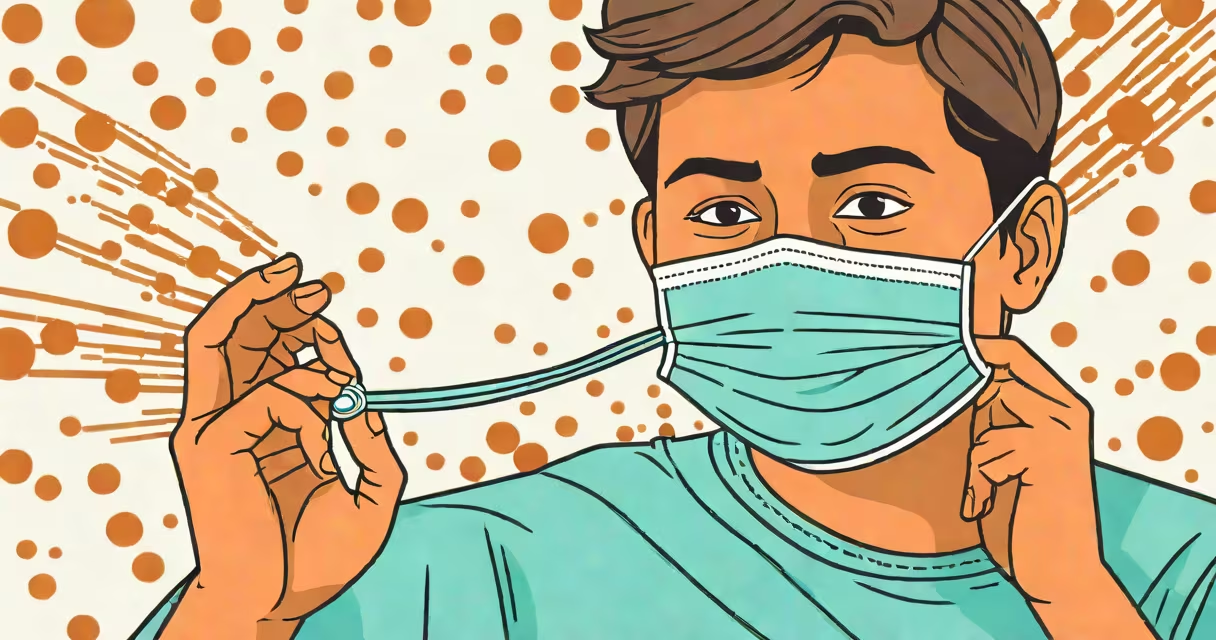
Wearing N95 respirators reduces inhalation risk by 95% compared to cloth masks. Healthcare workers in high-risk areas must wear certified respirators when entering rooms with unisolated TB patients.
Proper ventilation also plays a key role. A 2022 study in Environmental Health Perspectives showed that increasing air exchange rates to six per hour reduced TB transmission by 70% in shelter settings.
Screening programs targeting high-risk groups-such as healthcare workers, homeless populations, and migrants-can interrupt chains of transmission before they start.
Understanding how tuberculosis is transmitted clarifies why infection control focuses on airflow, isolation, and early diagnosis. Preventing spread hinges on identifying active cases quickly and limiting exposure in enclosed environments.