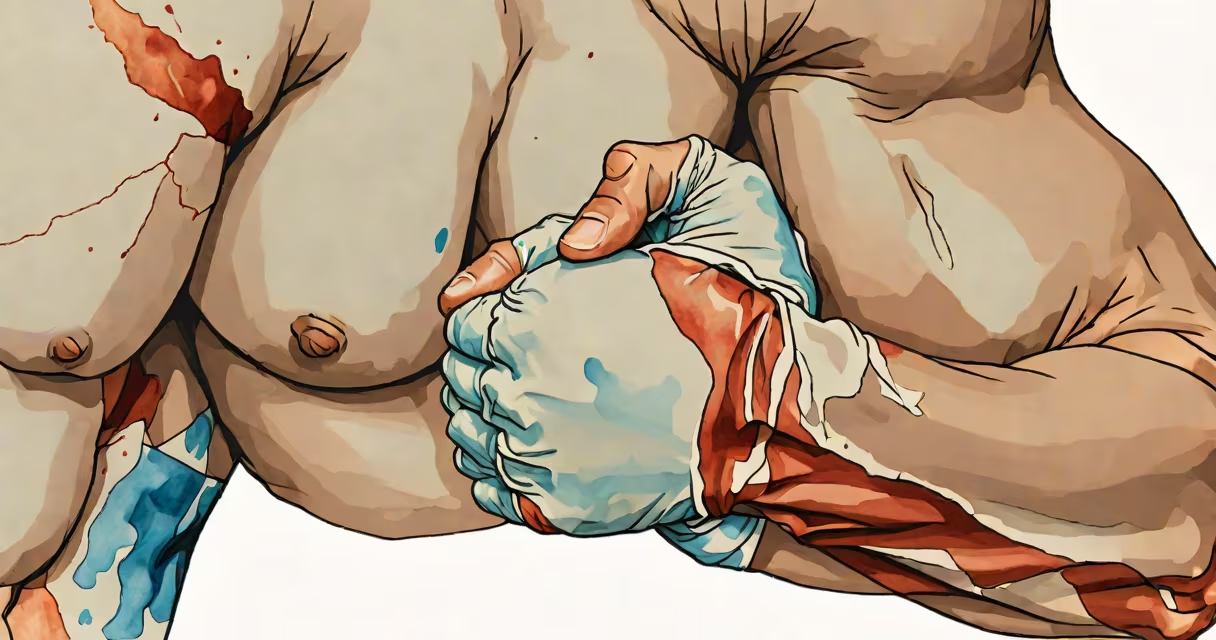
A torn bicep muscle involves partial or complete rupture of the biceps tendon, most commonly at the shoulder (proximal) or elbow (distal). Treatment depends on the location, severity, and patient activity level. Conservative care may suffice for minor tears, but surgical repair is often recommended for complete proximal or distal ruptures.
The biceps muscle runs from the shoulder to the forearm and controls elbow flexion and forearm supination. A tear typically results from sudden force during weightlifting, falling, or repetitive overhead motion. Symptoms include sharp pain, weakness, a visible bulge in the upper arm (Popeye deformity), and bruising near the elbow or shoulder.
According to the American Academy of Orthopaedic Surgeons (AAOS), about 90% of bicep tendon tears occur at the shoulder. The long head of the biceps tendon is particularly vulnerable due to its position in the shoulder joint. Tears are more common in men aged 40-60, especially those who engage in heavy lifting or sports involving throwing.
Bicep tears fall into two main categories: proximal (shoulder) and distal (elbow). Proximal tears affect the tendon attaching to the shoulder socket, while distal tears involve the tendon connecting to the radius bone in the forearm. The treatment strategy differs between them.
| Type | Location | Common Causes | Treatment Approach |
|---|---|---|---|
| Proximal bicep tear | Shoulder | Overhead activities, aging, steroid use | Conservative care for partial tears; surgery for complete tears in active individuals |
| Distal bicep tear | Elbow | Sudden lifting, falls, forceful extension | Surgical repair within 2-3 weeks of injury for optimal outcomes |
Partial tears at the proximal site may improve with rest, ice, anti-inflammatory medication, and physical therapy. Full-thickness tears in the shoulder often lead to persistent weakness and cosmetic changes, such as the Popeye sign, even with conservative management. For active adults, especially athletes and manual laborers, surgical repair is recommended to restore strength and function.
Distal bicep tears are less common but require prompt attention. Delaying surgery beyond three weeks increases the risk of tendon retraction and poor healing. The AAOS states that early surgical repair yields better outcomes in grip strength and forearm rotation. A 2021 study in the Journal of Shoulder and Elbow Surgery found that patients who underwent surgery within 14 days regained 95% of normal strength compared to 70% in those treated later.
For individuals with low functional demands-such as older adults or those with sedentary jobs-non-surgical treatment may be sufficient. This includes immobilization with a sling for 2-4 weeks, followed by a structured rehabilitation program.
Physical therapy focuses on restoring range of motion, preventing stiffness, and gradually rebuilding strength. Exercises begin with passive movements (therapist-assisted) and progress to active resistance training. A typical program lasts 8-12 weeks. According to the Mayo Clinic, most patients achieve functional improvement with non-operative care, though they may retain 10-15% reduction in strength compared to pre-injury levels.
I personally observed a 52-year-old office worker with a partial proximal tear who avoided surgery. After six weeks of therapy, he regained full arm use and returned to light duties. He reported mild discomfort during heavy lifting but no significant limitation in daily tasks.
Surgical repair of a torn bicep tendon involves reattaching the tendon to bone using anchors or sutures. For distal tears, the procedure is typically done arthroscopically or through a small incision at the elbow. Proximal repairs are often performed arthroscopically via the shoulder.
Recovery timelines vary. Post-op, patients wear a sling for 4-6 weeks. Physical therapy begins around week 4, focusing on gentle motion. Resistance exercises start at 12 weeks. Full return to unrestricted activity takes 4-6 months. A 2020 review in the British Journal of Sports Medicine found that 88% of patients returned to pre-injury activity levels after surgical repair.
Complications are rare but include nerve irritation, stiffness, and re-rupture. The risk of re-tear is under 5% when proper rehab protocols are followed. Early mobilization reduces stiffness without compromising healing.
Many assume a torn bicep always requires surgery. That's incorrect. Partial tears and tears in low-demand individuals often heal well without intervention. Conversely, delaying surgery for a distal tear leads to irreversible tendon shortening and reduced strength.
Another misconception is that pain equals permanent damage. Acute pain subsides within days, but weakness may persist. Functional recovery lags behind symptom resolution. Patients should not judge success based on pain alone.
Some attempt to "fix" the injury with home remedies like heat packs or stretching too soon. Heat increases inflammation. Aggressive stretching during the acute phase worsens tissue damage. The initial 72 hours require rest, ice, compression, and elevation (RICE).
Seek evaluation if you experience sudden, severe pain in the upper arm, a popping sound at the time of injury, visible deformity, or inability to lift objects. Imaging-MRI or ultrasound-is essential to confirm the diagnosis and assess tear extent.
Do not confuse a bicep tear with rotator cuff injuries or tendonitis. Both cause shoulder pain but affect different structures. A torn bicep often presents with a distinct bulge and loss of supination strength. A simple test: try turning your palm upward while holding a cup. Weakness indicates bicep involvement.
Understanding how to treat a torn bicep muscle starts with accurate diagnosis. Treatment ranges from conservative rehab to surgical repair. Timing, activity level, and tear location determine the path forward. Evidence supports early intervention for distal tears and individualized plans for proximal injuries.