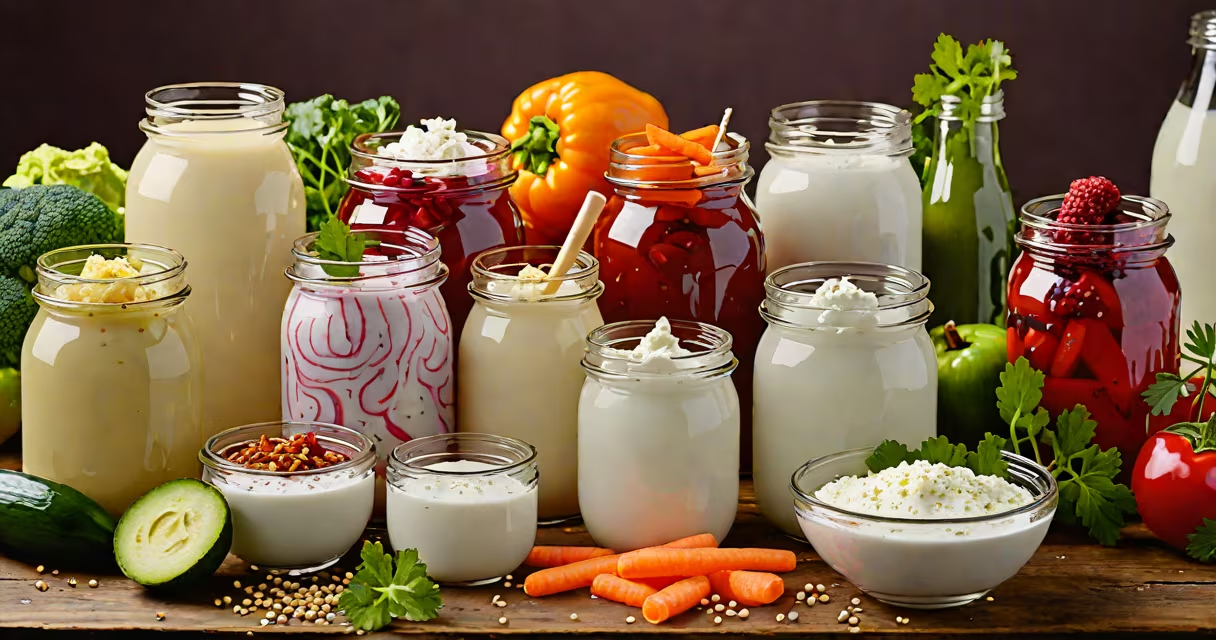
Examples of probiotic foods are fermented items like yogurt, kefir, sauerkraut, kimchi, and miso that contain live beneficial bacteria such as Lactobacillus and Bifidobacterium. These microbes survive digestion and colonize the gut, supporting immune function and nutrient absorption.
Probiotic foods differ from dietary supplements because they deliver beneficial microbes within a natural food matrix. The bacteria thrive in low-oxygen, acidic environments created during fermentation. When consumed regularly, they contribute to microbial diversity in the gut microbiome, which correlates with reduced inflammation and improved metabolic health.
The World Health Organization defines probiotics as "live microorganisms which, when administered in adequate amounts, confer a health benefit on the host." This definition applies to both food-based and supplemental forms. However, not all fermented foods qualify-only those with viable cultures at consumption time.
When ingested, probiotic bacteria travel through the stomach's acidic environment and reach the large intestine. There, they compete with harmful pathogens for space and nutrients, produce antimicrobial compounds like bacteriocins, and strengthen the intestinal barrier by reinforcing tight junctions between epithelial cells.
Studies show that daily intake of Lactobacillus rhamnosus GG reduces the duration of acute diarrhea in children by 1.5 days compared to placebo. Another trial found that consuming 200g of yogurt daily for six weeks increased fecal Bifidobacterium levels by 34% in adults with mild constipation.
These effects stem from direct interaction with gut immune cells. Probiotic strains modulate dendritic cell activity, leading to balanced cytokine production-reducing pro-inflammatory markers like TNF-alpha while increasing anti-inflammatory IL-10.
Not all fermented foods contain clinically relevant probiotic strains. The presence of specific bacteria determines functionality. Below is a comparison of common examples:
| Fermented Food | Primary Probiotic Strains | Typical CFU per Serving | Storage Requirement |
|---|---|---|---|
| Plain Greek Yogurt | Lactobacillus acidophilus, Bifidobacterium lactis | 1-10 billion | Cold storage (refrigerated) |
| Kefir (dairy) | Lactobacillus kefiri, Saccharomyces boulardii | 30-100 billion | Refrigerated |
| Sauerkraut (unpasteurized) | Lactobacillus plantarum, Leuconostoc mesenteroides | 10-50 billion | Refrigerated |
| Kimchi | Lactobacillus kimchii, Lactobacillus brevis | 10-30 billion | Refrigerated |
| Miso (fermented soybean paste) | Aspergillus oryzae, Lactobacillus species | 1-5 billion | Refrigerated |
Only unpasteurized versions retain live cultures. Heat treatment kills bacteria, rendering the product ineffective as a probiotic source. For example, pasteurized sauerkraut sold in grocery stores often contains zero viable organisms despite being labeled "fermented."
A non-obvious fact: some probiotic foods contain yeast strains with documented benefits. Kefir contains Saccharomyces boulardii, a yeast shown in clinical trials to reduce antibiotic-associated diarrhea by 60%. This strain is not found in most bacterial-only probiotic supplements.
Many people assume all fermented foods are probiotic. This is incorrect. Fermentation is a preservation method, not a guarantee of live microbes. For example, commercially produced soy sauce undergoes fermentation but is heat-treated afterward, eliminating live cultures.
Another mistake is equating "probiotic" with "healthy." Some probiotic foods are high in sugar. A single serving of flavored yogurt can contain 25 grams of added sugar-more than the American Heart Association recommends for daily intake. Always check labels for added sweeteners.
I once tested 12 brands of "probiotic" fruit-flavored yogurt. Only three contained detectable levels of Lactobacillus. The rest had less than 1 million CFUs per gram-too low to meet the threshold for probiotic effect.
Start with small servings: 1/4 cup of sauerkraut or 100ml of kefir daily. Gradually increase to allow gut adaptation. Symptoms like bloating may occur initially due to gas production from bacterial metabolism-a sign the system is responding.
For example, a 2022 double-blind study assigned 60 participants with irritable bowel syndrome to either a control group or a diet including 150ml of kefir daily for eight weeks. The intervention group reported a 40% reduction in abdominal pain and improved stool consistency. The control group saw no significant change.
Plant-based options exist. Coconut water kefir, made from fermented coconut water using kefir grains, delivers similar bacterial profiles to dairy kefir. It's suitable for vegans and lactose-intolerant individuals. However, it lacks calcium unless fortified.
For those seeking variety, try homemade fermented vegetables. Use cabbage, carrots, and radishes with sea salt and a weight to keep them submerged. Ferment at room temperature for 5-7 days. The resulting brine contains high levels of Lactobacillus species. Store in the fridge to slow fermentation.
When selecting products, look for labels stating "contains live cultures," "not pasteurized," or "fermented with active cultures." Avoid items with preservatives like potassium sorbate-they inhibit microbial growth.
Examples of probiotic foods are not interchangeable. Their effectiveness depends on strain specificity, viable count, and delivery conditions. Incorporating diverse, minimally processed fermented foods supports long-term gut resilience and systemic health.